There is a level of paint defect that medium compounds and polishing pads simply cannot address efficiently. Deep sanding marks from body shop wet sanding, years of accumulated paint correction abuse with improper technique, heavy oxidation from severely neglected clear coat, or repaints where the shop wet-sanded and stopped — these are the situations where a heavy compound is the starting point of correction, not an upgrade you try when the medium product is not working fast enough.
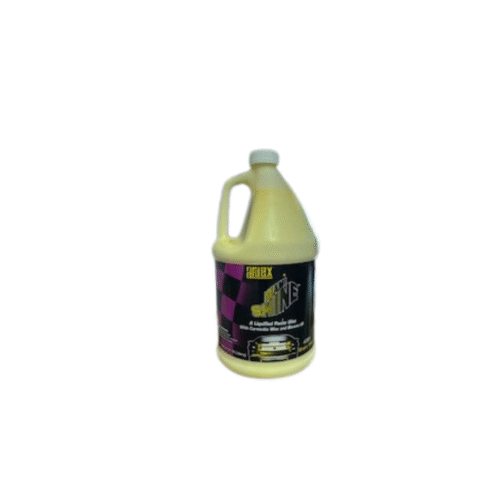
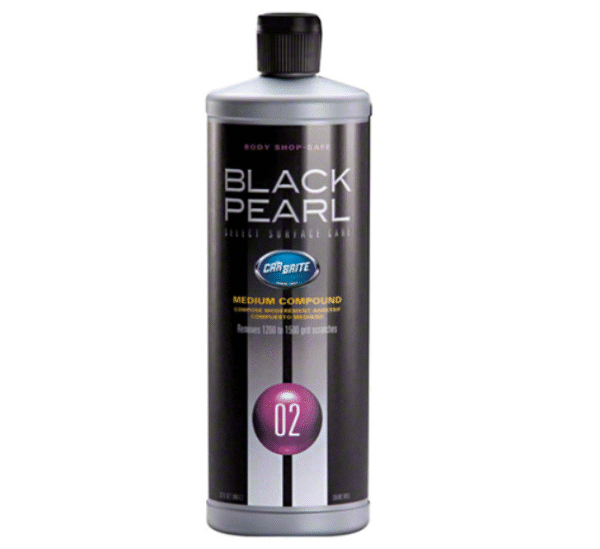
Black Pearl Heavy Compound 32 oz (SKU CBOOBP01-02) is formulated for exactly those situations. The aggressive abrasive system cuts through the most demanding defects efficiently, and the diminishing abrasive technology means the abrasive reduces in particle size as you work — minimizing the follow-up polishing work needed after the cutting stage. The 32-oz quart size gives correction professionals a working volume that lasts through multiple heavy-defect correction jobs.
What This Product Is
Black Pearl Heavy Compound is the most aggressive product in the Black Pearl correction lineup. It uses a high-abrasive-concentration, diminishing-abrasive formula to remove deep paint defects that require maximum correction force — 1500-grit and coarser sanding marks, severe oxidation, deep multi-layer swirling, and paint problems where lighter products would require unacceptably high pass counts to make meaningful progress. The 32-oz size is the professional working format for operations doing heavy correction regularly.
Key Features and Why They Matter
- Maximum cut rate in the Black Pearl system — formulated for the worst paint correction situations. Delivers defect removal in fewer passes than medium products, which saves total machine time on difficult panels.
- Diminishing abrasive technology — abrasive particles break down during the polishing process, progressively refining the finish even as they cut. Reduces the depth of the finishing work needed after the heavy compound stage.
- Machine-application formula — engineered for rotary and DA polisher use. Works with cutting wool pads, microfiber cutting pads, and aggressive foam cutting pads.
- 32-oz working size — enough compound for multiple heavy-correction sessions without restocking. Practical working format for shops doing serious correction work as a regular service.
What This Is NOT For
Heavy compound is not a daily maintenance polish or a light swirl remover — it is the high-abrasive-concentration tool for the most challenging correction situations. Using heavy compound on lightly swirled paint in good condition is overkill and requires additional polishing stages to refine the heavy compound finish. Match compound aggressiveness to the defect level — use the Black Pearl Light Compound or Black Pearl Medium Compound for lighter correction needs. Do not use on single-stage paint without testing — heavy abrasive on single-stage removes significant color pigment and can cut through to primer quickly.
Who Uses This
Paint correction specialists dealing with body shop repaints that need wet-sand refinement start with heavy compound before stepping down to medium and finishing stages. Reconditioning operations correcting heavily neglected clear coat on auction vehicles use heavy compound for the initial defect removal before the surface can be refined. Detailers handling gel coat correction on marine vessels and RVs use heavy compounds for the aggressive cutting needed to restore oxidized fiberglass. For the full correction system, pair with Medium Compound and Final Finish for a complete multi-stage workflow.
How to Use
- Choose the right pad: Heavy compound pairs with a wool compounding pad, a microfiber cutting pad, or an aggressive cutting foam pad depending on your machine type and defect severity.
- Apply: 4–5 pea-sized drops on the pad face. Spread at low speed before beginning correction passes.
- Set speed: Rotary: 1,200–1,800 RPM. DA polisher: highest speed setting with appropriate cutting pad.
- Work in sections: Address 18–24-inch sections. Firm pressure. Work until compound works clear.
- Inspect: Check defect removal under a strong panel light. Sanding marks and heavy defects should be removed or significantly reduced.
- Follow up: Proceed to Medium Compound or a medium polishing stage before Final Finish.
Frequently Asked Questions
What is the difference between heavy, medium, and light compound in the Black Pearl system?
The three compounds represent different abrasive concentrations and particle sizes. Heavy removes the deepest defects fastest. Medium removes moderate swirling and oxidation with less aggressive cutting. Light addresses light defects with minimal follow-up finishing work required. Match to the defect level — start with the least aggressive product that will make efficient progress on the defect.
Does heavy compound require a rotary polisher?
No — heavy compound can be used on DA polishers with appropriate cutting pads, though at reduced efficiency compared to a rotary for the most aggressive correction work. A microfiber cutting pad on a high-speed DA makes heavy compound effective on most correction situations. For the deepest sanding mark removal and fastest cutting on a rotary, a wool pad is the complement.
How many passes does heavy compound take to remove 1500-grit sanding marks?
This depends on the paint hardness, polisher speed, pad type, and pressure applied. On typical modern clear coat with a wool pad on a rotary at 1,500 RPM, heavy compound generally removes 1500-grit sanding marks in 2–4 passes across the section. On harder paint systems or at lower machine speeds, more passes are required. Inspect progress frequently rather than assuming a fixed pass count will achieve the result.
What finishing steps are needed after heavy compound?
After heavy compound correction, the surface typically requires medium polishing to remove compound hazing, followed by a final finish step to achieve maximum gloss. The diminishing abrasive in Black Pearl Heavy Compound reduces the depth of finishing work needed compared to traditional fixed-abrasive heavy compounds, but a medium polish and final finish stage are still standard practice for a complete correction result.
Can I use this on gel coat for boat correction?
Yes — Black Pearl Heavy Compound is appropriate for gel coat correction on fiberglass boats, RV sides, and marine vessels. Gel coat is typically softer than automotive clear coat and responds faster to compound than equivalent defects in automotive paint — use conservative machine speeds and check progress frequently to avoid over-cutting the gel coat surface.