
Tire sidewalls accumulate brake dust, road film, and chemical browning that no amount of general-purpose washing will fully remove. A wash mitt slides over the curved sidewall without the agitation needed to dislodge embedded contamination, and a soft brush lacks the bristle stiffness to work tire cleaner into the porous rubber surface where that contamination lives. Whitewall sections and raised white lettering add another layer of complexity — they need aggressive enough scrubbing to restore white brilliance without roughing the edges of the rubber lettering.
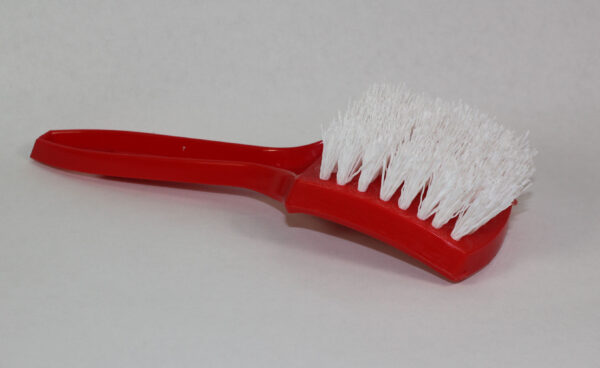
The Poly Whitewall & Tire Brush is built for this specific job. The stiff 3/4″ polypropylene bristles provide the agitation required to work tire cleaner into rubber grain, dislodge brake dust and tar spots from the sidewall, and restore whitewalls and raised letters to their actual color without damaging the surrounding rubber surface.
What This Is
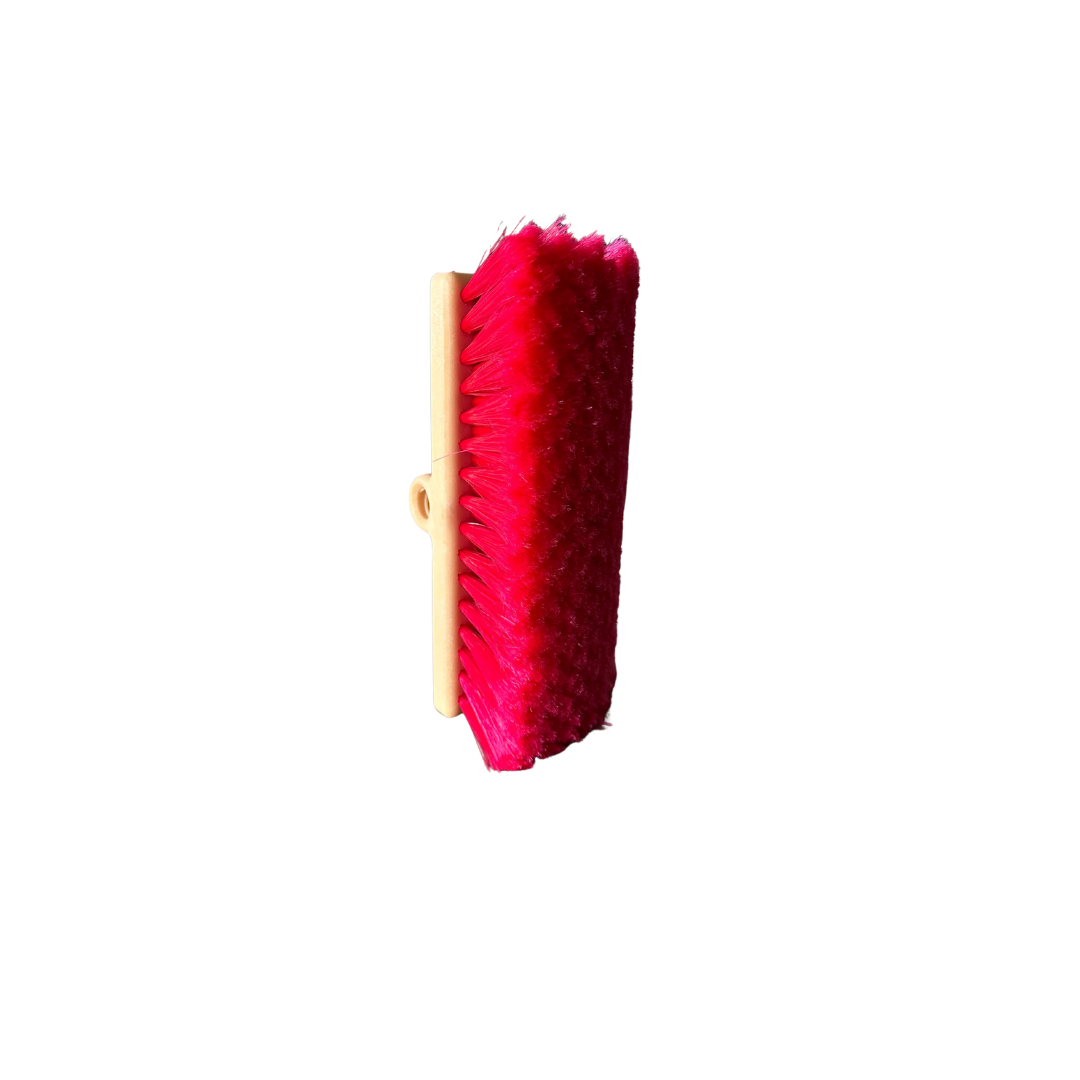
This is a dedicated tire and whitewall cleaning brush with a molded plastic handle and polypropylene (poly) bristles cut to 3/4″ length. The stiff poly bristles are designed for direct rubber surface agitation — harder than the soft foam and mitt materials used on painted surfaces, appropriate for the rubber compound of tire sidewalls which requires real scrubbing force to clean properly. Used as part of a complete wheel and tire cleaning process alongside wheel cleaner and tire-specific APC. See the exterior detailing tools category for related wheel and tire care products.
Key Features and Why They Matter
- Stiff 3/4″ polypropylene bristles — long enough to agitate tire cleaner deep into sidewall rubber grain, stiff enough to dislodge embedded brake dust and grime that short or soft bristles can’t reach.
- Poly (polypropylene) construction — does not absorb chemicals, does not soften or distort when exposed to tire cleaners, APC, or alkaline wheel cleaning solutions. Maintains consistent bristle performance across hundreds of uses.
- Sized for tire sidewall scrubbing — the brush head and handle geometry allow a natural scrubbing motion along the curved tire sidewall without awkward hand positioning.
- Effective on whitewall sections and raised lettering — bristle stiffness and density agitate white rubber sections effectively to restore color without leaving behind brush marks visible on the finished surface.
- Durable and easy to clean — rinse under running water after use; poly bristles flush cleanly and dry quickly between jobs.
What This Is NOT For
This is a rubber surface brush — do not use on painted wheel faces, polished aluminum spokes, or chrome trim where the stiff polypropylene bristles will scratch the surface. For detail work on wheel spokes, lug nut pockets, and chrome trim, use a softer brush or the dedicated Brass Detail Toothbrush. This brush is also not designed for fabric, interior carpet, or any surface where bristle stiffness would cause surface damage.
Who Uses This
Professional detailers who include a thorough tire cleaning step in every exterior detail, car wash operations with a tire scrubbing step in the pre-wash sequence, fleet operators maintaining commercial vehicle tires that accumulate heavy brake dust and road grime, and classic car enthusiasts maintaining whitewall or raised-letter tires that require regular scrubbing to stay visually sharp.
How to Use
- Wet the tire thoroughly: Pre-rinse the sidewall with water to remove loose contamination before applying cleaning chemistry.
- Apply tire cleaner or APC: Spray your tire cleaning product directly onto the sidewall. For heavy contamination or whitewall sections, allow 30–60 seconds of dwell time before scrubbing.
- Scrub with the poly brush: Work in firm circular or back-and-forth strokes along the tire sidewall. Apply enough pressure to feel the bristles working into the rubber surface.
- Pay extra attention to whitewalls and lettering: Spend additional time on whitewall sections and raised letters — the rubber compound in these areas often holds browning agents more stubbornly than the black sidewall.
- Rinse thoroughly: Flush the sidewall with clean water to remove all cleaning product and lifted contamination before applying tire dressing.
Why a Dedicated Tire Brush vs. General-Purpose Wash Brush
General-purpose wash brushes are formulated for painted and glass surfaces — they are too soft to effectively agitate heavy tire contamination. A soft brush on a heavily brake-dusted sidewall moves product around the surface without generating the scrubbing force needed to dislodge embedded contamination. The dedicated tire brush delivers the correct bristle stiffness for rubber surface cleaning, which translates to a cleaner tire in fewer passes.
Frequently Asked Questions
Will the poly bristles scratch my tire’s raised white letters?
Polypropylene bristles are safe on standard rubber whitewall sections and raised white lettering. They are stiff enough to scrub the rubber surface effectively but do not cut or tear cured rubber compounds under normal scrubbing force. Avoid excessive pressure on thin or worn lettering edges on aged tires.
Can I use this brush with acid-based cleaners?
Polypropylene is chemically resistant to most tire cleaning chemistries including alkaline APC and diluted acid wheel cleaners. For strong acid products used directly, rinse the brush promptly after use. Polypropylene generally holds up well to the chemical environment of professional wheel and tire cleaning operations.
How do I clean and store the brush?
Rinse under running water after each use to flush out product and contamination. Allow to dry bristle-down or bristle-up in a well-ventilated area. Store away from direct heat sources that could warp the plastic handle or soften the bristles over time.
Is this brush appropriate for run-flat tires?
Yes — run-flat tires use the same rubber sidewall compound as standard tires. The poly tire brush is appropriate for cleaning run-flat sidewalls and whitewall sections. The stiffened sidewall construction of run-flat tires does not affect brush compatibility.
Can I use this brush on the wheel face as well as the tire?
Not recommended for painted, polished, or clear-coated wheel faces — the stiff bristles will scratch these surfaces. Use this brush only on the rubber sidewall section and keep it off the wheel face. Use a separate softer brush or the Brass Detail Toothbrush for wheel spoke and face cleaning.