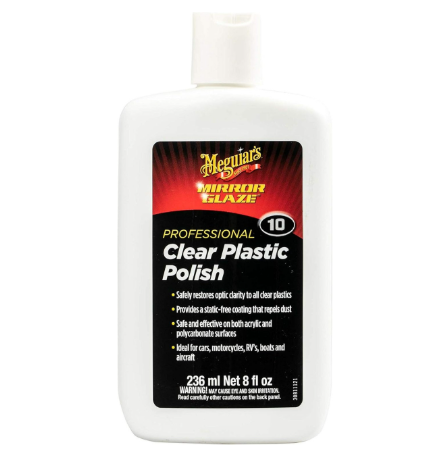
Polished metal surfaces — chrome bumpers, polished aluminum fuel tanks, stainless steel exhaust, brass marine fittings, engine dress-up components — develop a predictable dullness over time from oxidation, water spotting, and atmospheric exposure. Restoring the mirror-like reflectivity these surfaces are supposed to have requires an abrasive metal polish that cuts through the oxidation layer and brings the underlying metal back to reflective condition. General all-purpose cleaners do not have the abrasive chemistry for this job; metal polish does.
Metal Polish 1 Gallon is the production-size format for professional metal polishing work. At 1 gallon, it is the working volume for truck-and-trailer detailers polishing fuel tanks and exhaust stacks, marine detailers working on vessel hardware and deck fittings, and shops with regular metal polishing service offerings. The abrasive chemistry addresses oxidation and light corrosion on a broad range of bare metal surfaces without the specialty-product proliferation of maintaining separate polishes for chrome, aluminum, and stainless.
What Metal Polish Is
This is a machine or hand-applied abrasive metal polish for bare metal surfaces. It contains fine abrasive particles in a carrier that removes surface oxidation, tarnish, and light corrosion through mechanical abrasion, leaving a cleaned and conditioned metal surface with restored reflectivity. It is formulated for bare metal — not for painted or coated surfaces, and not for plastic or glass.
Key Features and Why They Matter
- Multi-metal formulation — effective on aluminum, chrome, stainless steel, brass, and other bare metals. So what? One product handles the full range of metal polishing tasks in an auto and marine detailing operation without maintaining separate specialty polishes for each metal type.
- Oxidation and tarnish removal — abrasive chemistry removes surface oxidation layer. So what? Restores reflectivity to dull metal surfaces without requiring mechanical grinding or wheel buffing.
- 1-gallon production size — working volume for regular metal polishing service. So what? Significantly lower per-application cost than quart-sized retail metal polishes, appropriate for shops doing metal polish work as a regular service.
- Conditioning finish — leaves metal surface in a conditioned state that reduces oxidation re-rate. So what? Polished metal maintains its appearance longer after treatment than bare untreated metal, extending the service interval.
What This Is NOT For
Metal Polish is for bare metal surfaces — do not apply to painted, clear-coated, or powder-coated metal. It will abrade the finish on coated surfaces. Not for use on anodized aluminum (the anodize layer will be stripped). Do not use on chrome-plated plastic — the abrasive can expose and damage the thin chrome layer on plastic substrates. Always identify the metal substrate and its surface treatment before applying any abrasive polish.
Who Uses This
Truck and trailer detailers polishing chrome exhaust stacks, fuel tanks, step bars, and wheel simulators. Marine detailers restoring polished aluminum fittings, cleats, stanchions, and stainless steel hardware on vessels. Automotive restoration specialists polishing chrome bumpers, trim, and dress-up components on classic vehicles. Hot rod and custom shops maintaining polished aluminum engine components and accessories. Fleet operations maintaining the appearance of chrome and polished metal on premium commercial vehicles.
How to Use
- Clean the metal surface with a degreaser or APC to remove oil and surface contamination before polishing.
- Apply metal polish to a clean cotton or microfiber pad (machine application) or cotton polishing cloth (hand application).
- Work in circular overlapping passes on the metal surface with moderate pressure.
- Allow the polish to haze as the abrasives work. The haze darkens as oxidation is removed from the surface.
- Buff off with a clean, dry cotton cloth or microfiber before the residue dries completely.
- For severely oxidized surfaces, repeat the application until the desired level of reflectivity is achieved.
Why 1-Gallon vs. Consumer-Sized Metal Polish
Consumer metal polishes from auto parts stores are typically 8-12 oz bottles priced for occasional household use. The per-ounce cost for a production shop polishing fuel tanks, chrome stacks, and wheel simulators on commercial vehicles makes consumer sizing economically unreasonable. At 1 gallon, the cost per polishing application drops substantially, and the volume is appropriate for a full day’s metal polishing work on large commercial equipment. For the full range of polishing compounds and metal care products, browse Compounds & Polishes at Polishing Systems Inc.
Frequently Asked Questions
Will this polish work on heavily pitted or corroded metal?
Metal Polish handles oxidation and light tarnish effectively. For deep pitting or heavy corrosion, mechanical preparation (wet sanding or wire wheel) may be required before final polishing. Metal polish is a finishing and maintenance product — it removes oxidation from the surface layer, not structural corrosion from deep pitting.
Can I use this polish with a dual-action polisher?
Yes — metal polish can be applied with a DA polisher using an appropriate wool or foam pad. Machine application delivers faster results on large metal surfaces than hand application. For best results on chrome, use a soft cotton or foam pad to avoid micro-scratching that is visible on highly reflective chrome surfaces.
Is this polish safe for use on aluminum boat hulls?
Yes — metal polish is appropriate for raw and polished aluminum hull surfaces on aluminum-hull vessels. After polishing, apply a marine-grade metal protectant or wax to slow re-oxidation from water and salt exposure.
How do I maintain polished metal surfaces between professional polish services?
Apply a quality metal sealer or carnauba wax over polished metal after each polishing session to slow oxidation. In marine environments, specialized corrosion inhibitor products provide better protection against saltwater-accelerated oxidation than automotive wax.
Does the gallon container have a dispensing option?
The 1-gallon container can be decanted into smaller work bottles for use at the polishing station. Dispensing directly from a gallon jug is practical on a workbench but may benefit from a smaller squeeze bottle for controlled application during detailed polishing work.