The case for a 21mm random orbital polisher is simple: more throw means more cutting speed without switching to a rotary. If you are removing 1200-grit sanding marks, heavy oxidation on marine gel coat, or years of compound swirls from a neglected fleet vehicle, a 12mm or 15mm DA polisher will get the job done eventually — but the LHR21’s 21mm throw cuts measurably faster, often reducing correction time by 30–40% on severe paint without the heat buildup risk of a rotary.
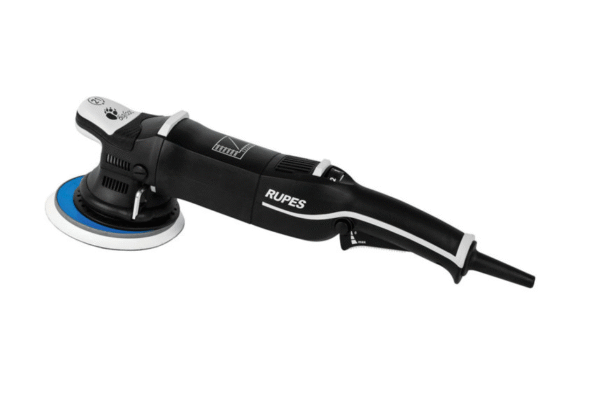
The Rupes BigFoot LHR21 Mark III is the third-generation iteration of the machine that helped establish the modern professional random orbital standard. Rupes engineers refined the counterbalance, updated the pad attachment interface, and improved the electronics from the Mark II — the result is a machine that stays controlled at full speed even on correction-grade compound work.
What the LHR21 Mark III Is
A 21mm throw, variable-speed random orbital polisher operating on a single-phase 110V motor at 850 watts. The Mark III uses an 8mm threaded spindle with a 150mm (6-inch nominal) backing plate as the standard pad interface. Variable speed runs from approximately 1,000–4,000 OPM. Weight is approximately 2.6 kg (5.7 lb) without pad — balanced for single-handed extended use.
Key Features and Why They Matter
- 21mm eccentric throw — the largest throw in the standard Rupes DA lineup. More throw = more cutting aggressiveness and faster defect removal on heavily oxidized surfaces.
- Counterbalanced design — engineered counterweight dampens vibration from the large throw, reducing hand-arm fatigue on 4-8 hour correction days.
- Variable speed electronics — smooth control from 1,000 to 4,000 OPM with speed holding under load. No dropping RPM mid-panel when you increase pad pressure.
- Mark III refinements — updated pad retention, improved motor thermal management, and revised housing over the Mark II.
- Industry-standard backing plate compatibility — the 8mm thread accepts a wide range of backing plates beyond the Rupes standard.
What the LHR21 Is NOT For
Not the preferred machine for the final jeweling step — its 21mm throw produces more heat and agitation than needed for finishing. Most professionals follow the LHR21 with a smaller-throw DA or a rotary at very low speed. Also not the right choice for very small correction areas or tight door-jamb work. For tight-area work, a 5-inch pad machine is more practical.
Who Uses the LHR21 Mark III
Professional paint correction detailers doing full-correction work on automotive, marine, and RV surfaces. Body shop refinishers who cut and buff fresh clearcoat. High-production detail shops needing a machine capable of heavy defect removal without overheating. Mobile detailers specializing in paint correction packages who need a machine that performs over a full workday.
How to Use
- Select the right pad: For heavy correction — a firm cutting pad with compound. For medium correction — a medium-density polishing foam with medium polish. For light finishing — most professionals switch to a smaller-throw machine.
- Prime the pad: Apply 4-6 pea-sized drops of compound to the pad face. Spread across the work area at speed 1 before increasing to working speed.
- Work in 18×18 inch sections: At speed 4-5 (3,000–4,000 OPM) for correction work. Overlap passes by 50%. Moderate downward pressure — let the machine and compound do the cutting.
- Wipe and inspect: After each section, wipe with a clean microfiber and check the paint under a panel light before moving on.
- Clean the pad frequently: Pad loading with compound residue reduces cut. Clean with a pad conditioning brush or compressed air during the session.
Why the LHR21 vs. Cheaper Large-Throw Polishers
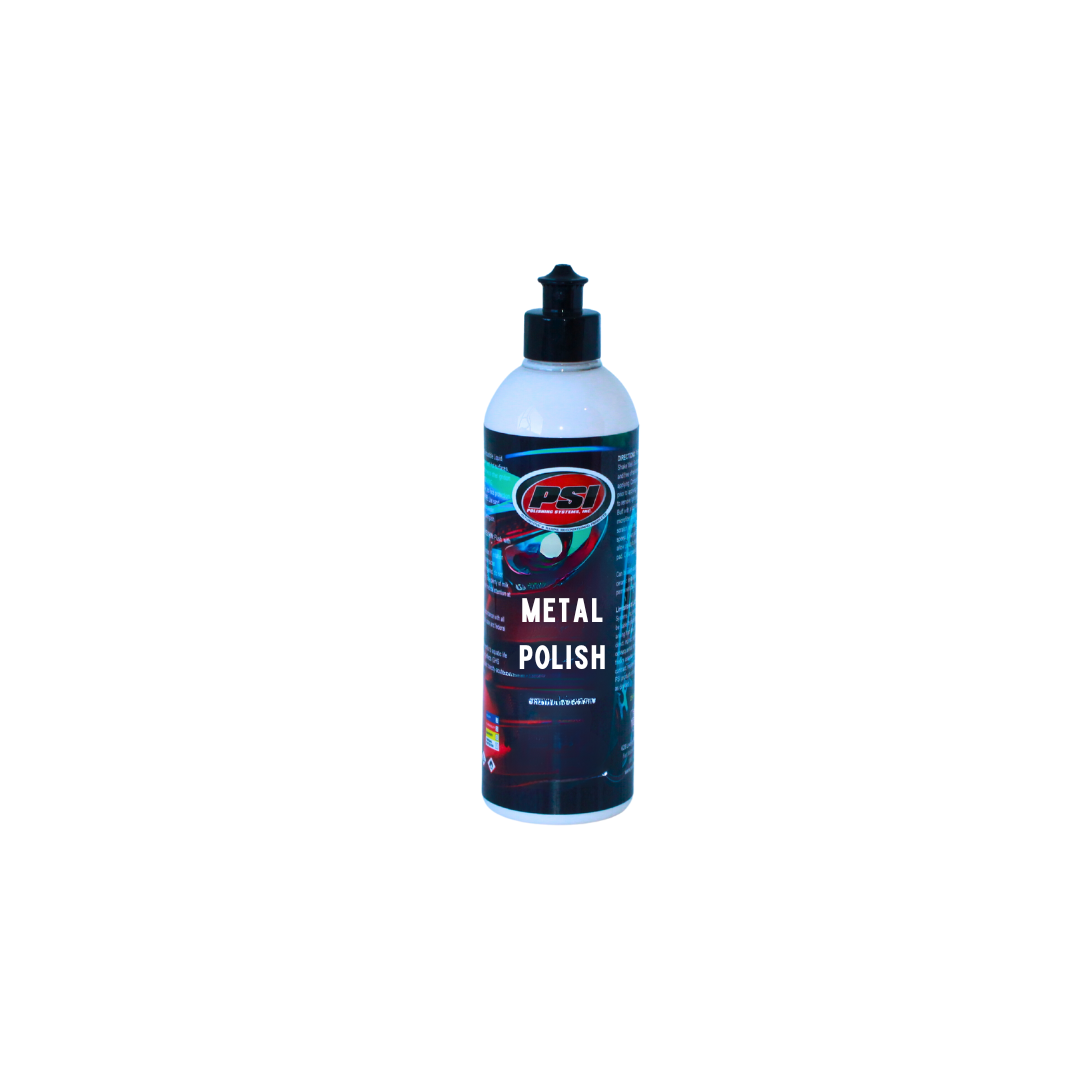
Off-brand large-throw orbital polishers often match the LHR21 on paper specs at a fraction of the price. The real-world differences show up in vibration management, speed consistency under load, and longevity. For detailers doing production correction work, machine reliability and operator fatigue directly affect throughput and quality. Pair the LHR21 with the right compound — such as professional compounds and polishes from Polishing Systems Inc — for consistent correction results.
Frequently Asked Questions
What backing plate and pad size does the LHR21 come with?
The LHR21 Mark III ships with a standard Rupes 150mm (6-inch) backing plate. Compatible pad sizes are typically 5-inch to 6.5-inch in diameter. For large-panel marine or RV work, some operators use a 180mm (7-inch) backing plate — confirm compatibility before switching.
What is the difference between the LHR21 and the LHR15?
The LHR15 has a 15mm eccentric throw sized for smaller pads (typically 5-inch). The LHR21’s 21mm throw delivers more aggressive cutting action with larger pads. In practice: LHR21 is the heavy-correction machine; LHR15 is more versatile and easier to control for less experienced operators.
Can the LHR21 replace a rotary polisher for wet sanding mark removal?
The LHR21 with a firm cutting pad and aggressive compound can remove 1500-grit and finer wet sanding marks effectively. For 1200-grit and coarser marks, most professional detailers still prefer a rotary for the initial cut, then switch to the LHR21 for refining and finishing.
What compound do you recommend pairing with the LHR21?
For heavy correction: a body-friction-activated diminishing abrasive compound on a firm foam pad. For medium correction: a finishing compound or medium polish on a polishing foam pad. Always test on a small section before committing to a full panel correction pass.
Does this machine require a dedicated circuit?
At 850W (approximately 7-8 amps on 110V), the LHR21 runs comfortably on a standard 15-amp circuit. Running multiple high-draw machines simultaneously on one circuit can trip breakers — distribute across circuits in multi-polisher shop setups.