
Some vehicles come into the shop looking clean but feeling like sandpaper. Fleet trucks, rail-adjacent parking vehicles, vehicles from coastal industrial zones — they have layers of bonded fallout that a wash mitt and soap cannot touch. Light-cut clay makes a pass and still leaves the surface rough. This is when you need medium-cut clay: the grade that has enough abrasive bite to physically strip heavy contamination without requiring multiple passes or chemical pre-treatment on every panel.
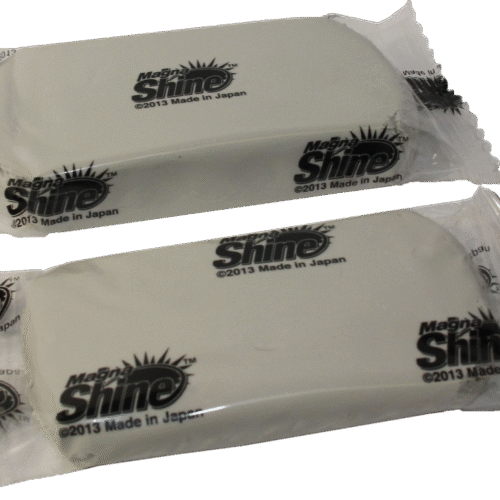
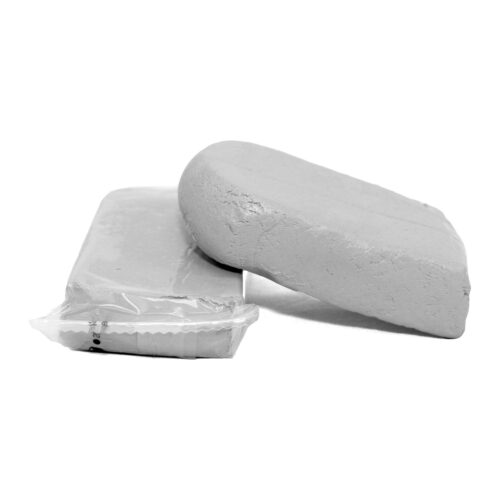
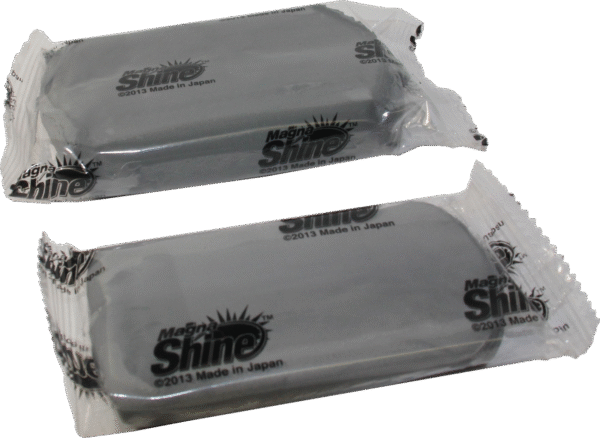
The Magna Shine 200g Dark Grey Clay Bar is the medium-cut grade — designed for paint that has been neglected, exposed to heavy industrial fallout, or that has accumulated a season or more of bonded contamination. The 200-gram bar provides a substantial working supply for detailers who encounter challenging surfaces regularly. The dark grey color identifies this bar instantly in a multi-clay setup, keeping it from being confused with the lighter-grade white bar.
What Magna Shine Dark Grey Clay Is
This is a medium-abrasion polymerized clay bar. It uses a higher concentration of micro-abrasive particles than the light-cut white grade, allowing it to strip denser contamination layers in fewer passes. The trade-off is that medium clay leaves slightly more surface micro-marring on paint — which is normal and expected. A polish step following clay decontamination removes that micro-marring and restores gloss.
Key Features and Why They Matter
- Medium-cut abrasion grade — more bite than light clay for heavily contaminated paint. Means fewer passes to achieve full decontamination on neglected vehicles, saving real time on problem jobs.
- 200-gram professional bar — serious working volume for shops that process multiple contaminated vehicles. The 200g size supports full-vehicle treatment multiple times before replacement.
- Dark grey color coding — immediate visual identification in a multi-grade clay setup. No risk of reaching for medium clay when you need light grade, or vice versa.
- Pliable working consistency — maintains workability across a normal shop temperature range without cracking or tearing at working pressure.
- Multi-surface compatible — paint, glass, polished metal, and chrome all respond to medium-cut clay decontamination.
What This Is NOT For
Medium-cut clay is overkill on well-maintained paint — use the Magna Shine White Light-Cut Clay Bar for paint in good condition. Do not use on matte finishes, vinyl wraps, or soft clear coats where extra abrasion could cause visible damage. Always use proper clay lubricant — never clay dry paint under any circumstances. Discard the clay if dropped — contamination from the floor will scratch the next panel. Do not use on uncoated fabric or soft convertible tops.
Who Uses This
Detailers who specialize in vehicle reconditioning and paint correction use medium-cut clay as the decontamination step before compound and polish on heavily neglected vehicles. Fleet reconditioning shops dealing with trucks returning from industrial or coastal routes use it regularly. Dealers receiving auction vehicles with unknown paint histories rely on medium clay to strip whatever has accumulated without having to guess the contamination level. Body shops use it as pre-paint prep on panels that have been exposed to the environment after partial repairs.
How to Use
- Wash the vehicle thoroughly and rinse completely. The surface must be free of loose dirt before claying.
- Work section by section — mist a panel or section generously with clay lubricant before starting.
- Flatten a working piece of clay into a disc and work in straight passes with light to moderate pressure. Do not use circular motions.
- Fold and re-flatten the clay as it darkens with contamination, always exposing a fresh face.
- Wipe clean with a microfiber between sections and check surface smoothness with the plastic bag test.
- Follow with compound and polish — medium clay leaves micro-marring that a polish step is required to remove on gloss finishes.
Why Buy Magna Shine vs. Import Clay Bars
Cheap import clay bars often have inconsistent abrasion distribution — one section of the bar may cut harder than another, leading to uneven results and potential marring. Magna Shine’s professional formulation delivers consistent abrasion across the full 200g bar. The investment in consistent performance pays off in fewer re-polish situations and more predictable results on difficult paint. Visit our full clay bars category to compare grades and sizes.
Frequently Asked Questions
When should I use medium clay vs. light clay?
Use medium clay when the plastic bag test reveals significant texture even after washing, or when a light clay bar makes multiple passes without achieving a smooth result. If the paint is from a well-maintained daily driver with normal contamination, start with the light-cut white clay and only move to medium if needed.
Will medium-cut clay scratch my paint?
Medium clay leaves micro-marring on gloss paint — it is expected and by design. The micro-marring is removed by a subsequent polish or compound step. Do not apply medium clay and skip the polish step on high-gloss finished vehicles — the surface will look duller than before you started until it is polished.
How long does a 200g clay bar last?
Under professional shop conditions, a 200g bar will decontaminate 3-6 full vehicles depending on contamination level, panel size, and how efficiently the clay is folded and re-used. Light use and careful clay maintenance extend the life; heavy contamination and rough surfaces shorten it.
What clay lubricant works best with this bar?
Dedicated clay lubricant spray is ideal. A diluted car wash solution (10:1) is an effective and economical alternative. The surface must remain wet at all times during clay work — if it starts to drag or stick, stop and re-lubricate before continuing.
Do I need to polish after using medium-cut clay?
On gloss paint, yes — medium-cut clay leaves fine surface marring that a polish step removes. On glass and metal, polishing after clay is optional but recommended for maximum clarity and reflectivity. On paint going directly into bodywork or repainting, the clay step is prep only and the polish step may be skipped.