Paint that looks clean after a wash often still feels rough when you run a clean hand across it. That texture comes from bonded surface contamination — overspray, industrial fallout, rail dust, embedded road film, and airborne pollutants that washing does not remove. Left in place, this contamination creates a barrier between the paint and any protection product you apply: wax, sealant, or ceramic coating cannot bond correctly to a contaminated surface, and the contamination itself abrades against the paint’s clear coat over time.
Clay bar decontamination is the standard professional solution. It mechanically lifts bonded surface contamination from the paint without abrasive polishing, leaving a genuinely clean, smooth surface ready for the next step — correction, protection, or coating. The grade of clay matters: too aggressive and you introduce marring on soft or delicate paint; too mild and you do not fully remove the contamination you are targeting.
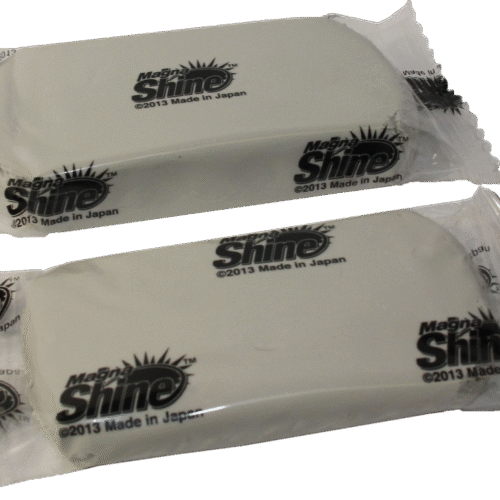
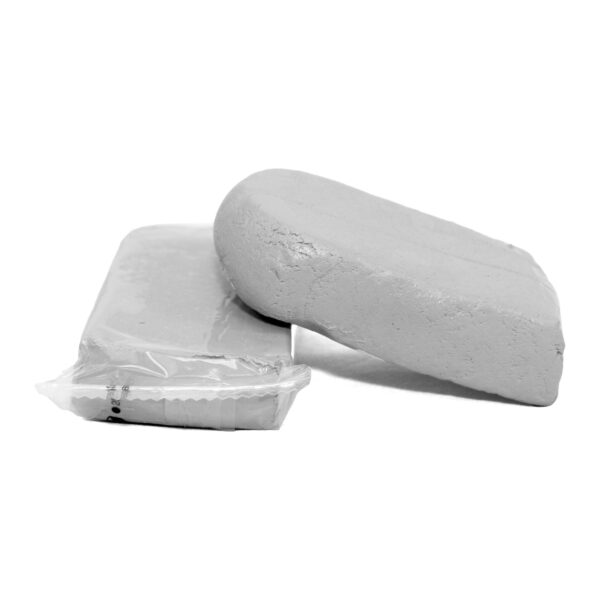
JB Gray Clay Bar is a medium-grade professional clay formulated for the range of decontamination needs most detailers encounter: vehicles with moderate fallout accumulation, paint that has not been clayed in 12-24 months, and pre-coating prep on vehicles in reasonable condition. The gray designation indicates medium aggressiveness — positioned between fine (blue/white) and aggressive (red/black) in most professional clay bar systems.
What JB Gray Clay Bar Is
JB Gray is a kneadable synthetic clay bar compound. It works by mechanically capturing surface contamination as it is dragged across a lubricated paint surface — the clay picks up overspray, iron particles that have not dissolved with iron remover, industrial fallout, and embedded road film. It does not abrade the paint surface the way polishing compounds do; rather, it physically traps and removes contamination as it passes.
Key Features and Why They Matter
- Medium grade cut — aggressive enough to remove moderate contamination effectively in a manageable number of passes. Less marring risk than heavy/aggressive bars on soft or medium-hardness clear coats, while delivering better decontamination than fine bars on moderately fouled paint.
- Professional size and consistency — formulated to remain workable at professional speed, maintaining pliability across a full vehicle without becoming dry or tearing. Tear or fragment risk is lower with professional-grade clay versus cheap imported bars.
- Kneadable and resettable — fold to a clean face when the working surface becomes loaded with contamination. One bar yields multiple clean faces over its working life. Discard when no clean face is available — never continue with a fully contaminated bar.
- Paint, glass, and polished metal compatible — one bar for the full decontamination pass on an automotive exterior, including window glass and polished metal trim.
What JB Gray Clay Bar Is NOT For
Do not use clay bars dry — always use with adequate clay lubricant or a quick detailer as a glide medium. A dry clay bar will scratch paint severely. Do not use on matte or satin finishes — clay bar decontamination can alter matte texture. Do not continue using a bar that has been dropped on the ground — it has picked up grit and must be discarded. Gray medium grade is not appropriate for severely neglected paint with heavy contamination — use a heavier grade first, then follow with gray for final decontamination. Not recommended for bare, uncoated metal surfaces not intended for clay bar contact.
Who Uses JB Gray Clay Bar
Professional detailers performing surface prep before paint correction or protection application. Ceramic coating installers who clay every vehicle as part of the prep sequence. Body shop technicians decontaminating paint before blend or respray work. Mobile detailers offering clay bar decontamination as a service add-on. The gray medium grade covers the majority of vehicles seen in professional detailing — lightly to moderately contaminated paint is the most common vehicle state.
How to Use
- Wash and rinse the vehicle thoroughly. Clay bar is used on a clean, wet, or lubricated surface — never on a dry or dusty vehicle.
- Apply clay lubricant (quick detailer or dedicated clay lube) liberally to the working section — one panel at a time.
- Flatten a piece of JB Gray clay into a flat disc in your palm. Work one section per piece.
- Glide the clay across the lubricated surface using light, overlapping back-and-forth passes. Use minimal downward pressure — the clay’s weight and glide are sufficient.
- Fold to a clean face as the working surface picks up contamination (you will see it turn gray-darker or gritty). Never flip a contaminated face back to the paint.
- Wipe the panel with a clean microfiber after claying each section to remove lubricant residue.
- Inspect by touch: run a clean hand over the panel through a plastic bag. Smooth = clean. Rough = more clay passes needed.
Why Buy JB Gray vs. a Hardware-Store Clay Bar
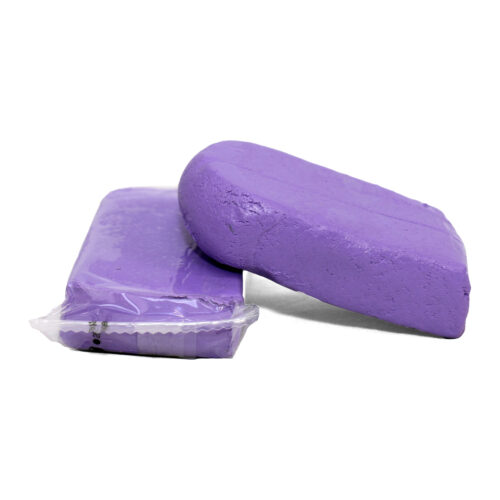
Clay bars sold at consumer auto parts stores are typically ultra-fine grade — safe on any paint, but often ineffective at removing moderate to heavy contamination without dozens of passes. JB Gray’s medium grade delivers measurable decontamination in a professional timeframe. Pair with the JB Purple Clay Bar (aggressive grade) for heavily contaminated vehicles where gray alone is insufficient. Browse all clay bar options at Polishing Systems Inc.
Frequently Asked Questions
How much vehicle does one JB Gray Clay Bar cover?
One clay bar, used correctly with adequate lubrication, should cover a full passenger vehicle with area to spare — typically 2-4 full vehicles depending on contamination level and how aggressively the clay is worked. Keep folding to fresh faces to extend the bar’s useful life.
Can I use water as clay lubricant?
Water alone does not provide adequate lubrication for clay bar work — it evaporates too quickly and leaves insufficient glide. Use a dedicated clay lubricant, a quality quick detailer, or a diluted car wash soap solution as the lubricant. The lubricant layer between the clay and the paint is what prevents marring.
What is the difference between gray and purple clay?
Gray is medium grade — suitable for moderately contaminated paint in reasonable condition. Purple (or darker grades) is more aggressive — better for heavily contaminated paint, overspray removal, or rail dust that gray alone does not fully address. Start with gray; move to purple only if gray does not achieve the smoothness test after multiple passes.
Do I need to clay before every coating application?
Yes — clay bar decontamination is a required prep step before any ceramic coating or long-term sealant application. Chemical contamination on the surface prevents the coating from bonding correctly to the paint. Iron remover followed by clay bar is the standard two-step decontamination sequence before coating.
What do I do if I drop the clay bar?
Discard it. A clay bar that has been dropped picks up grit and debris from the floor that cannot be removed by folding to a fresh face. Using a contaminated clay bar will scratch paint. The cost of a new bar is far less than the cost of a correction job caused by clay-induced marring.