
A well-finished engine bay is one where every component looks intentional. The standard for that intentional look — especially on show vehicles, resto-mods, and professional engine bay details — is gloss black. It reflects light, creates depth, and turns cast aluminum and fabricated steel brackets into components that look engineered and presented rather than functional and neglected. The difference between an engine bay that looks detailed and one that looks restored is often nothing more than the finish level on the painted components.
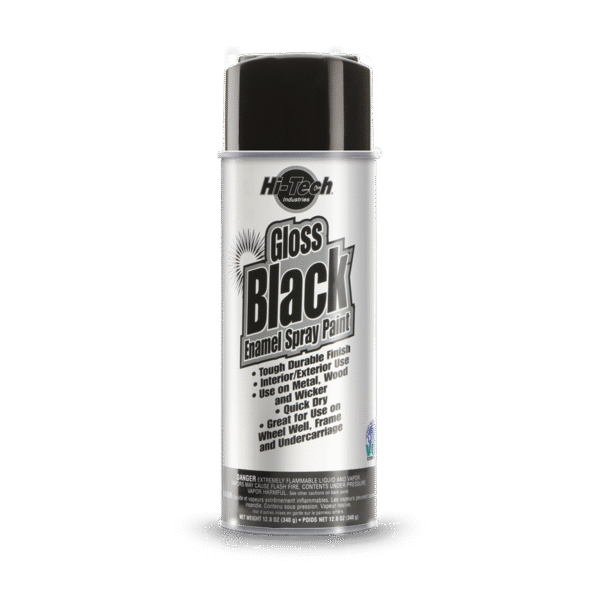
Gloss Black Engine Enamel Spray Paint from Polishing Systems Inc is a high-gloss, heat-resistant aerosol enamel formulated for engine bay and mechanical component applications where maximum visual impact is the goal. The gloss formula delivers mirror-finish depth on compatible surfaces and holds up to the heat, oil, and chemical exposure of a working engine compartment.
What This Product Is
Gloss Black Engine Enamel is an aerosol spray enamel in high-gloss finish level, formulated for engine bay components and mechanical hardware. The high-gloss sheen provides maximum light reflection and visual depth — the finish standard for competition and show-level engine presentations. The enamel chemistry provides heat resistance for engine bay temperature cycling and resists the oil, fluid, and chemical exposure encountered on engine covers, brackets, and accessory components. Supplied in a 12oz aerosol can.
Key Features and Why They Matter
- High-gloss finish — maximum reflectivity and visual depth on painted components. Means the engine bay reads as professionally finished and show-ready rather than simply clean. The standard for competition-level engine presentations.
- Heat-resistant enamel formula — rated for engine bay temperature ranges. Means the gloss finish survives heat cycling without blistering, fading, or losing sheen as the engine warms and cools.
- Chemical resistance — resists engine fluids, oil mist, and common shop chemicals. Means the gloss holds up in working engine bays beyond a single season of display.
- Aerosol application — consistent spray pattern for even gloss coverage on complex bracket and casting geometry. Means professional-quality finish on components too complex for brush application.
- 12oz aerosol can — right-sized for individual component work and precision application without excess waste.
What This Is NOT For
Gloss black enamel is not for exterior body panel clearcoat replacement or automotive refinishing on painted body surfaces. Not for exhaust manifolds or headers that exceed the product’s rated temperature limit — high-temperature header paint is required for those surfaces. Do not apply over grease, oil, or loose paint. Note that high-gloss finishes on engine bay components require more regular cleaning to maintain their appearance — every dust accumulation and oil drip is highly visible on a mirror-gloss surface. For lower-maintenance finishes, consider the Semi-Gloss Black Enamel or Flat Black Engine Enamel.
Who Uses This Product
Show car builders and restoration shops finishing engine bays for competition and display vehicles. Detail operations offering premium engine bay detailing and component refinishing as a high-end service. Enthusiast builders presenting engine bays for photography, car meets, and show events. Shops restoring classic and muscle cars where show-correct engine finish is a key deliverable.
How to Use
- Surface preparation is critical for gloss enamel: Degrease, remove all loose paint and rust, sand smooth with 320–400 grit, prime bare metal, and finish with 400–600 grit to remove primer scratches before enamel topcoat.
- Mask everything not being painted — gloss enamel overspray on adjacent surfaces is visible and difficult to remove.
- Shake thoroughly for at least 90 seconds before spraying.
- Apply 2–3 thin, overlapping coats from 10–12 inches. Gloss enamel requires more careful thin-coat technique than flat — heavy coats run and sag visibly in gloss.
- Allow full cure before heat cycling. The gloss develops fully over 24–48 hours of cure at room temperature.
- For the full paint and coating product category, see the paint and coatings lineup.
Why Buy This vs. Standard Gloss Spray Paint
Standard hardware-store gloss spray paint will soften, blister, and lose its sheen at engine bay temperatures. Engine enamel — even in a high-gloss finish — uses a heat-rated formulation that maintains the gloss through the temperature cycles a working engine creates. The difference is especially visible on components near the exhaust, near the turbocharger, and around the cylinder head covers where temperatures are highest during operation. For show work where the engine bay will be detailed and presented rather than driven hard regularly, standard paint may last for display seasons. For anything that sees real driving, engine enamel is the correct choice. See the full black enamel family: Flat Black and Semi-Gloss.
Frequently Asked Questions
How do I maintain the gloss after the engine is painted?
Gloss black engine components require regular cleaning to maintain their appearance — oil mist, dust, and fingerprints are all highly visible on a mirror-gloss surface. Wipe components with a clean, dry microfiber during engine bay detailing sessions. For heavy grease or oil accumulation, use a diluted all-purpose degreaser on a microfiber rather than pressure-washing the bay, which can lift paint at the edges.
Can I polish gloss black enamel to increase shine?
After full cure (at least 48–72 hours), lightly compounding and polishing cured gloss enamel can increase sheen and remove any minor orange peel from the spray application. Use a very fine polishing compound and a soft foam pad — the enamel is a thinner film than automotive clear coat and requires careful technique to avoid cutting through to primer. Test in an inconspicuous area first.
Why does my gloss enamel look dull after the first heat cycle?
Some enamel formulas require initial heat curing to develop full gloss. Running the engine at operating temperature after paint cure can actually improve the final sheen level as the enamel fully cross-links. If the finish dulls and does not recover after a heat cycle, it may indicate the paint was applied too thin, was not fully cured before heat exposure, or the surface preparation was inadequate (oil contamination is a common cause).
What is the temperature rating for this product?
Check the specific temperature rating on the product can label. Most engine bay enamels in this category are rated for 200°F–500°F surface temperature. Do not use on exhaust manifolds, headers, or turbocharger housings that exceed this rating — those require dedicated high-temperature exhaust coating.
Can I use this on a cast aluminum valve cover?
Yes — gloss black enamel is a standard finish for cast aluminum valve covers. Clean thoroughly with a degreaser, scuff-sand the aluminum surface with 320–400 grit to create adhesion texture, apply a self-etching primer, allow full primer cure, and then apply the enamel topcoat in thin, even coats. Adhesion on bare aluminum without self-etching primer is significantly reduced and the finish will peel prematurely.