
Not everything under the hood or beneath the frame needs to shine. Valve covers, intake manifolds, oil pans, suspension brackets, and chassis hardware look better in a consistent flat black — clean, purposeful, and not competing for attention with polished components. The problem is that ordinary spray paint runs, chips, and fades under the heat cycling of engine bay temperatures, turning what was meant to be a clean resto or detail job into a peeling mess within a season.
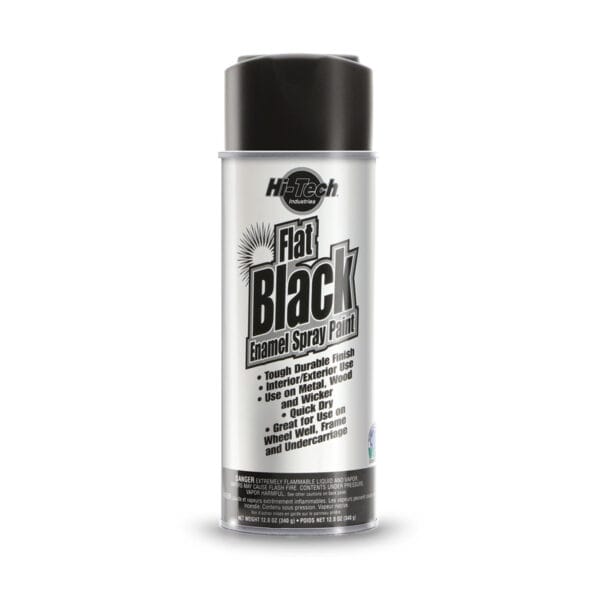
Flat Black Engine Enamel Spray Paint from Polishing Systems Inc is a heat-resistant aerosol enamel formulated for the specific demands of engine bay and underbody applications. The flat finish absorbs light without reflection, concealing surface texture and minor imperfections in cast iron, stamped steel, and aluminum components while surviving the temperature cycles and chemical exposure of a working engine bay.
What This Product Is
Flat Black Engine Enamel is a heat-rated aerosol spray enamel in a non-reflective (flat/matte) finish. The enamel chemistry provides better adhesion and heat tolerance than standard aerosol spray paint — it is formulated to withstand engine bay temperatures and resist the oil, grease, and solvent exposure that underbody and engine components encounter. The flat finish provides a uniform, non-shiny appearance that is the standard for restored and detailed engine bays targeting a clean, factory-correct look. Supplied in a 12oz aerosol can.
Key Features and Why They Matter
- Flat/matte black finish — absorbs light without reflection. Means a uniform, non-shiny appearance on cast components where surface texture and casting flash are naturally present. Covers imperfections rather than highlighting them.
- Heat-resistant enamel formula — rated for engine bay temperatures and underbody heat cycling. Means the coating stays intact through engine warm-up cycles and high-heat exhaust proximity without blistering or peeling.
- Chemical and oil resistance — resists degradation from engine oil, brake fluid, power steering fluid, and common shop chemicals. Means the finish holds up in the working environment where mechanical components actually live.
- Aerosol delivery — consistent spray pattern for even coverage on irregular shapes and cast surfaces. Means no brush marks, drip risks, or uneven color on complex geometry like valve covers and brackets.
- 12oz working can — right-sized for individual components and spot refinishing without the waste of a larger quantity for single-piece applications.
What This Is NOT For
Flat black engine enamel is not for exterior body panel painting — it is formulated for mechanical components, not for refinishing automotive exterior paint finishes. Do not use on exhaust system components that reach temperatures above the product’s rated temperature limit (check the can label for specific temperature rating). Not for brake calipers or rotor surfaces that require specific high-temperature brake paint. Surface preparation is required — do not apply over rust, oil, or loose paint.
Who Uses This Product
Auto restoration shops and detail operations painting engine bays, valve covers, brackets, and underbody chassis components as part of restorations and engine cleaning projects. Mobile detailers offering engine bay detailing as a service line. Enthusiast builders doing engine compartment cleanup. Fleet maintenance teams touching up frame and underbody hardware. Marine mechanics painting engine mounts and mechanical components in boat engine compartments.
How to Use
- Prepare the surface: Clean thoroughly with a degreaser, remove loose paint, sand light rust to bare metal, and wipe down with a solvent wipe or IPA prep spray. The enamel adheres best to clean, bare or primed surfaces.
- Mask surrounding components that should not be painted — wiring, hose clamps, sensors, and adjacent clean surfaces.
- Shake the can thoroughly for at least 60 seconds before spraying.
- Apply thin, even coats from 10–12 inches distance. Multiple thin coats build better than one heavy coat — heavy applications drip and take longer to cure.
- Allow flash time between coats per label instructions (typically 5–10 minutes between light coats).
- Allow full cure before heat cycling the component. See the paint and coating supplies for primers and related products.
Why Buy Engine Enamel vs. Standard Spray Paint
Standard spray paint (acrylic or latex-based aerosol from a hardware store) will soften, blister, and peel at engine bay temperatures — especially near exhaust manifolds, turbochargers, and intake components that cycle between ambient and 200°F+ temperatures. Engine enamel is formulated specifically for this temperature range and chemical environment. The flat formula also provides better coverage on rough cast surfaces in a single application session compared to trying to achieve a non-reflective appearance with standard gloss or semi-gloss alternatives. For the semi-gloss variant, see the Semi-Gloss Black Enamel.
Frequently Asked Questions
What temperature is this paint rated to?
Check the specific temperature rating on the product can label. Engine enamels in this category are typically rated for 200°F–500°F depending on formulation. For very high-heat applications near the exhaust manifold or turbocharger housing, confirm the rating covers the actual surface temperature at that location before applying.
Do I need a primer coat before applying engine enamel?
For best adhesion on bare metal, a compatible primer coat significantly improves enamel adhesion and longevity. On previously painted surfaces in good condition (not peeling), light sanding and a direct enamel application is usually adequate. On raw aluminum or heavily rusted steel, primer is strongly recommended before the topcoat.
Can I use this on my exhaust manifold or headers?
Only if the product’s temperature rating covers the operating temperature of your specific exhaust components. Standard exhaust manifolds and headers can reach 800°F–1,200°F or more during engine operation. Standard engine enamel rated at 200°F–500°F will not survive at those temperatures — you need a specific high-temperature header paint rated above 1,200°F for exhaust applications.
Is flat black more durable than semi-gloss in an engine bay?
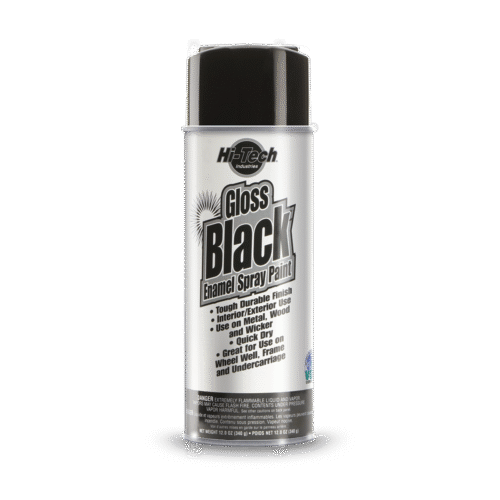
The durability between flat and semi-gloss depends on the specific enamel formula, not the sheen level — both can be durable if correctly formulated and applied. Flat finishes tend to show oil drips and fingerprints less visibly on cast surfaces, which is why they are preferred for engine bay restorations targeting a consistent, clean appearance. See the Gloss Black Enamel for applications where a reflective finish is preferred.
How many coats should I apply?
Two to three thin, even coats is the standard approach for engine enamel aerosol applications. The first coat provides adhesion; the second coat builds coverage and color consistency. A third coat fills any thin spots and produces a uniform final appearance. Allow the recommended flash time between coats — rushing the application by applying heavy single coats is the most common cause of drips and uneven finish.