Faded, chalked exterior plastic trim is one of the most visually obvious signs of vehicle age. The deep, rich black that factory trim has when new gradually gray out from UV exposure, environmental oxidation, and the weathering that every exterior surface faces. Dressings help temporarily — they darken and enrich the appearance for days or weeks — but they wash off, attract dust, and require constant reapplication to maintain the result. Dressings are maintenance products. Black trim paint is a restoration coating.
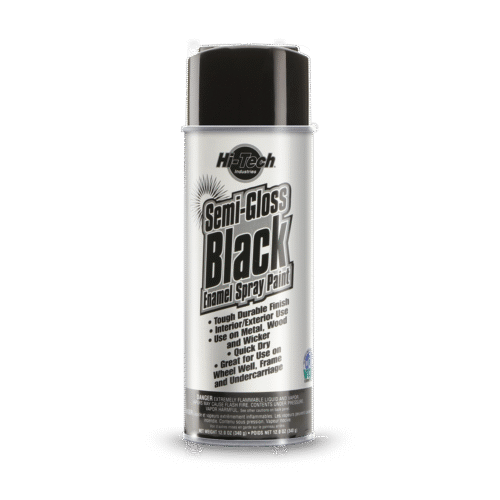
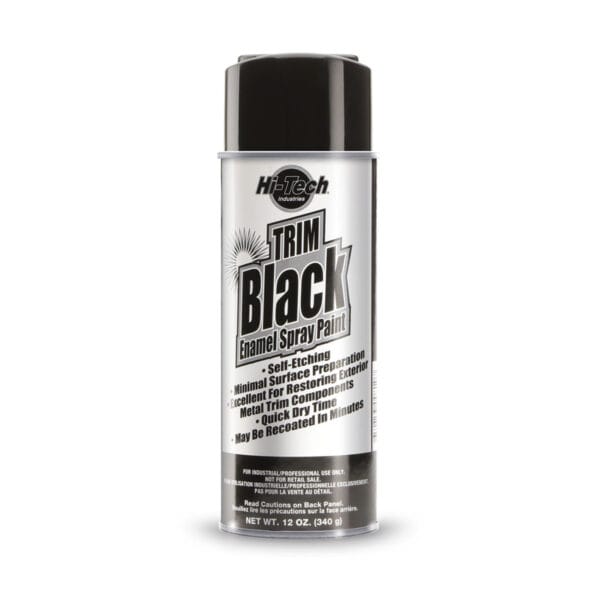
Black Trim Paint (SKU HT810) from Polishing Systems Inc is a coating-type trim restoration product. It bonds to the plastic or rubber trim surface to deliver a durable, renewed black finish that does not wash off in the first rain or disappear after a car wash pass. At $15.95, it is the practical solution for restoring severely faded trim that no amount of dressing can adequately improve — delivering a consistent, UV-resistant black finish that holds up to real-world exterior exposure.
What This Product Is
Black Trim Paint is a coating formulated for exterior plastic trim and rubber molding restoration. It is a coating, not a dressing — it dries to a surface film that bonds to the trim material, providing UV resistance and weathering durability that liquid dressings cannot match. Appropriate for faded bumper covers, side body moldings, mirror housings, door handle trims, wheel well liners, and similar exterior plastic and rubber trim components.
Key Features and Why They Matter
- Coating-type bonding formula — bonds to the trim surface rather than simply coating it with a temporary oil or silicone film. Resists washing off in rain and car wash exposure that eliminates dressings within days.
- UV-resistant formulation — the primary cause of plastic trim fade is UV degradation. This coating’s UV-resistant chemistry slows the re-fading process after restoration, extending the time before retreatment is needed.
- Applicable to plastic and rubber trim — covers the range of exterior trim materials: painted or unpainted plastic bumper fascias, ABS side moldings, EPDM rubber door seals and edge trim, and polypropylene wheel well liners.
- Consistent black finish — delivers a uniform, professional black appearance across faded trim that uneven dressing application cannot achieve on severely chalked surfaces.
What This Is NOT For
Black Trim Paint is for plastic and rubber exterior trim — it is not appropriate for use on painted body panels, glass, or polished metal. Do not use on interior trim, dashboards, or leather. Confirm the trim surface is plastic or rubber before applying. On painted bumper covers where the entire bumper face needs refinishing to match the body, an automotive paint system is the appropriate product — not a trim coating. Trim paint is for the textured, unfinished-look plastic trim components, not for gloss-painted plastic panels meant to color-match the body.
Who Uses This
Auto reconditioning and used car preparation professionals use trim paint to restore visibly faded trim on vehicles going to lot or auction — a freshened trim appearance significantly improves the vehicle’s visual presentation. Detail shops offering trim restoration as an add-on service use it for vehicles where the fading is beyond what dressing can address. Mobile detailers doing comprehensive vehicle refreshes for retail customers use it to address the gray-out on older trim that dressing alone cannot correct. Boat detailers use it for faded fiberglass and plastic trim on marine vessels where exterior surfaces face intense UV exposure.
How to Use
- Clean the trim thoroughly: Remove all old dressing, silicone, dirt, and contamination from the trim surface. Use APC or a dedicated trim cleaner. The coating bonds to the trim material, not to contamination — cleaning is essential for adhesion and appearance.
- Allow to dry completely: The trim must be fully dry before applying trim paint. Any moisture under the coating will affect adhesion.
- Apply: Apply with a foam applicator, sponge, or brush in thin, even coats. Work into the texture of the trim surface. Thin coats build more evenly than a single heavy application.
- Allow to dry between coats: Let each coat dry per product label before applying a second coat for consistent color coverage on heavily faded surfaces.
- Do not wash for 24 hours: Allow the coating to fully cure before the vehicle is exposed to rain or washing. Full cure time is typically 24 hours in dry conditions.
Why Buy This vs. Using Trim Dressing Repeatedly
Trim dressings applied every wash cycle to severely faded trim produce diminishing results as the underlying oxidation worsens — the oil film from the dressing compensates for the fading temporarily but does not address the chemical degradation of the plastic. Black Trim Paint restores the surface appearance at the trim surface level and provides UV protection that slows re-fading. For the majority of vehicles with severely chalked trim, a coating restoration followed by periodic dressing maintenance is more effective and economical than dressing alone. Browse the full range of paint and trim coating products at Polishing Systems Inc.
Frequently Asked Questions
Will this product make my trim shiny or matte?
Black Trim Paint is formulated to produce a low-gloss or matte finish that matches the original appearance of factory textured plastic trim — not a high-gloss sheen. Factory exterior trim is typically matte or low-gloss, and a glossy trim restoration product would look inconsistent with the original design intent. If a higher gloss finish is desired, a follow-up application of a trim sealant or dressing over the cured coating can adjust the sheen level.
How long does Black Trim Paint last before retreatment is needed?
Coating durability depends on UV exposure, climate, and washing frequency. In high-UV environments with frequent washing, trim coatings typically maintain appearance for 6–18 months before a fresh application is beneficial. In moderate climates with less intensive exposure, the coating may last considerably longer. This is significantly more durable than trim dressings, which typically require reapplication every 2–4 weeks.
Can this be used on trim around windshields or glass?
Use extreme care around glass surfaces — trim paint bonding to glass creates removal difficulties. Mask off adjacent glass surfaces before applying, and remove any overspray immediately before it cures. The product is for trim surfaces only, not glass.
Can I apply this over existing trim dressing?
No — trim paint requires application to a clean, dressing-free trim surface. Old dressing acts as a barrier that prevents the coating from bonding properly to the trim material. Clean the trim completely with APC or a solvent-based trim cleaner to remove all dressing residue before application.
Is this the same as regular paint?
Black Trim Paint is a specialty trim coating, not a standard automotive paint or spray paint. It is formulated specifically for the flexibility required on plastic and rubber trim that expands and contracts with temperature — standard rigid paints crack and flake on flexible trim materials. The formulation allows it to move with the trim without delaminating while maintaining its bonded surface finish.