
Fiberglass gel coat is not automotive clear coat. It oxidizes faster in UV exposure, it sits unprotected on boat hulls and RV roofs for months between services, and it develops that chalky, matte look that makes a ten-year-old vessel look twenty years old. Standard car wax formulated for paint provides some protection, but gel coat and fiberglass benefit from a wax built for the specific stressors these surfaces face — saltwater, intense UV, extended outdoor storage, and heavy oxidation from surfaces that are never garaged.
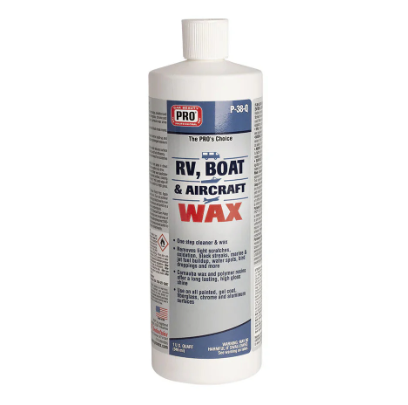
RV, Boat & Aircraft Wax — Quart from Polishing Systems Inc is the professional-grade carnauba wax formulated specifically for these surfaces. It restores surface gloss on lightly to moderately oxidized fiberglass, lays down a UV-resistant protective film, and is safe for gel coat, painted fiberglass, RV sidewalls, and painted metal surfaces.
What This Wax Is
A carnauba-blend wax in quart (32oz) size, formulated for application on fiberglass gel coat, painted fiberglass, RV exterior panels, and painted aircraft surfaces. Contains carnauba wax as the primary protective film-forming agent with light chemical cleaners to address minor oxidation. Not a heavy-cut compound — for heavily oxidized gel coat, compound first, then apply this wax as the protection step.
Key Features and Why They Matter
- Carnauba-based protective film — one of the hardest natural waxes available, providing a protective layer that resists UV degradation, saltwater, and rain for weeks to months on exposed surfaces.
- Formulated for gel coat and fiberglass — not repurposed automotive wax. The formulation accounts for the porosity and surface chemistry of gel coat, bonding more effectively than standard car wax.
- Light cleaning action — mild abrasive component removes light surface oxidation and haze as it applies, reducing the need for a separate compound step on lightly weathered surfaces.
- Multi-surface safe — applies safely to fiberglass, painted surfaces, and most aircraft-grade coatings. Check compatibility before use on acrylic windows and polycarbonate.
- Quart working size — right volume for a single boat hull service, small aircraft exterior, or spot-treatment of an RV section.
What This Wax Is NOT For
Not a substitute for compounding on heavily oxidized, chalky gel coat — compound first if the surface transfers white chalk on a dry cloth wipe. Do not apply to raw uncoated fiberglass or unpainted metal without testing. Not for use on rubber seals and gaskets — wax leaves white residue in rubber pores that is difficult to remove.
Who Uses This
Marine detailers who provide full-service boat maintenance packages. RV detailers and mobile operators working on motorcoach and travel trailer exteriors. Aircraft detailers doing exterior protection services. Boat owners and RV owners who maintain their own equipment and need a professional-grade wax in a working-size container rather than small consumer bottles.
How to Use
- Prep the surface: Wash thoroughly and remove contamination. For oxidized surfaces, compound first and wipe clean before wax application.
- Apply by hand or DA: Apply a thin, even coat with a foam or microfiber applicator pad, working in 2×2 foot sections.
- Allow to haze: Let the wax film haze to a light matte appearance (typically 3-5 minutes at 70°F). Work in the shade — wax dries too fast in direct sun and is difficult to buff off cleanly.
- Buff to gloss: Remove with a clean microfiber towel using light circular pressure. Rotate to a clean section frequently.
- Second coat (optional): A second thin coat applied after the first has fully cured (15-30 minutes) builds additional protection on heavily weathered surfaces.
Why This vs. Consumer Automotive Wax
Consumer automotive waxes are formulated for painted surfaces with factory clear coat — a harder, less porous substrate than gel coat. Marine and RV surfaces are more porous and oxidize more aggressively with UV exposure. A wax tuned for this surface type bonds more effectively to gel coat and provides more meaningful UV resistance for the long-duration outdoor exposure these surfaces see. For high-volume marine or RV operations, see the marine detailing products lineup and waxes and sealants category for the full range of protection options.
Frequently Asked Questions
How often should I wax a fiberglass boat hull?
For boats stored outdoors or in the water, waxing 2-4 times per year is the professional recommendation. The indicator is straightforward: if water stops beading on the surface, it is time to reapply.
Can I use this wax on the acrylic windshield or windows?
Exercise caution on acrylic and polycarbonate windows — some wax formulas leave a hazy film that is difficult to remove. Test in a small corner section first, and use a product specifically rated for plastic windows if you have any concern.
Does this wax protect against barnacle and algae growth?
No — carnauba wax provides UV and weather protection but does not contain biocidal agents. Antifouling bottom paint is the correct product for barnacle and biological growth prevention on submerged surfaces. This wax is for above-waterline surfaces.
Will this remove heavy oxidation by itself?
The mild cleaning agents address light surface oxidation and hazing. For heavy, chalky oxidation, you need a dedicated compound step first. Use a gel coat compound, follow with this wax as the protection step.
What is the shelf life of an opened quart of this wax?
Stored with the lid tightly closed in a temperature-controlled environment (50–90°F), an opened wax container maintains working quality for 1-2 years. Avoid freezing or direct sunlight — both degrade the carnauba suspension over time.