
Most vehicles coming into a detail shop for paint correction are not catastrophically scratched — they have the typical accumulation of swirl marks, wash-induced marring, and light surface oxidation that builds up over months and years of normal use and imperfect washing. A compound pad with heavy cut is overkill for this work and carries unnecessary risk to the clear coat. A finishing pad does not have enough bite to actually remove the defects. What you need is a correction pad: calibrated abrasion, controlled cut, professional results without over-working the paint.
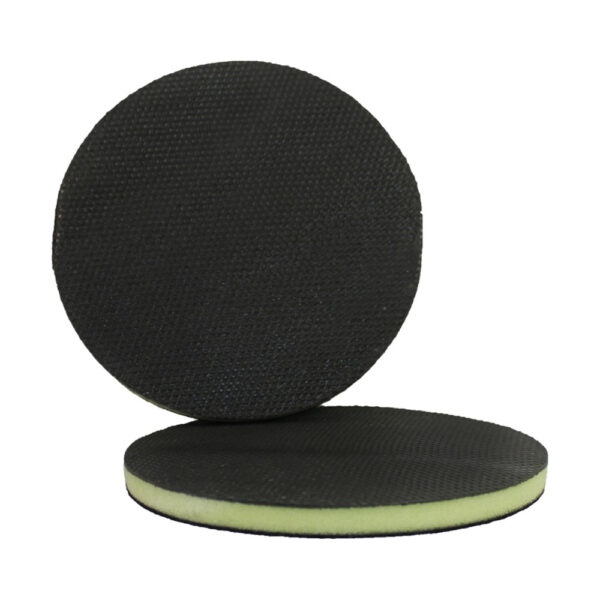
The Magna Shine Paint Correction Pad is designed specifically for this middle ground — the correction step that removes swirls and light defects while leaving the surface ready for a polish and finish rather than requiring a follow-up compound correction. It is the workhorse pad for professional detailers who do high volumes of standard paint correction work where efficiency and paint safety are both priorities.
What the Paint Correction Pad Is
This is a foam machine polishing pad in the correction-cut grade — positioned between cutting/compound pads (more aggressive) and finishing/polishing pads (less aggressive). It is intended for use with correction polishes and medium-cut compounds on dual-action and rotary polishers. The foam density and face geometry are engineered for defect removal efficiency on standard paint conditions.
Key Features and Why They Matter
- Correction-grade foam density — enough cut to remove swirls and light scratches without the excessive aggression of a compound pad. Means you can correct most daily-driver paint conditions without risking through-cut on thinner clear coats.
- Consistent foam face profile — uniform product distribution across the pad face for even correction across each panel pass.
- Compatible with DA and rotary polishers — hook-and-loop backing attaches to standard 5/8″-11 and 8mm backing plates.
- Durable foam cell structure — resists loading and breakdown during extended correction sessions better than budget pads.
- Professional production performance — designed for the correction volumes detail shops run, not occasional enthusiast use.
What This Is NOT For
This pad is not for heavy compound work on severely scratched or 1500-grit sanded paint — use a dedicated cutting or compound pad for that level of correction. It is also not the right pad for final jeweling or finishing polish steps — use a softer finishing pad for the last pass before sealant application. The correction pad occupies a specific position in the 2-step or 3-step paint correction sequence; using it outside that position produces suboptimal results.
Who Uses This
Professional paint correction detailers use the correction pad as either the primary or secondary pad in a 2-step correction sequence. Mobile detailers doing full-service paint correction packages rely on it for the standard condition vehicles that make up the majority of their work. Enthusiasts running DA polishers on their personal vehicles use it for the main correction pass before finishing. It is the right pad for the most common paint correction scenario — normal swirls on maintained clear coat.
How to Use
- Prime the pad with a small amount of correction polish before first use — work the product into the foam face before starting the polisher.
- Apply 4-5 pea-sized drops of correction polish to the pad face for a standard working section.
- Start polisher at low speed to spread product before increasing to working speed.
- Work in overlapping passes across the panel with moderate pressure on DA, or lighter pressure on rotary.
- Check correction progress every 2-3 passes under a work light or paint inspection light.
- Remove residue with a clean microfiber before moving to the next step.
- Clean the pad after each session — rinse with water or use a pad cleaning brush during extended work to prevent loading.
Why Buy Magna Shine vs. Budget Pads
Low-cost foam pads have inconsistent cell density across the pad face, which means uneven pressure and uneven product distribution. On a correction pad, that translates to holograms, marring, and uneven gloss that costs time to fix. Magna Shine’s consistent foam density produces predictable, repeatable correction results across an entire session. Pair with the Magna Shine Paint Correction Mitt for completing tight-area work by hand after your machine correction. See all machine polishing pads and accessories at Polishing Systems Inc.
Frequently Asked Questions
What speed settings should I use with this pad on a DA polisher?
For standard swirl removal with a correction polish, DA polisher speeds of 4-6 (on a 1-6 scale) work well for most paint systems. Start lower to spread the product, then increase to working speed. Adjust pressure and speed based on the correction results you see — harder paint systems may need higher speeds, softer paint needs more caution.
Can I use this pad on a rotary polisher?
Yes — the hook-and-loop backing is compatible with rotary polisher backing plates. On a rotary, use lighter pressure than on a DA polisher. Rotary machines amplify cutting aggression, so use correction speed (1200-1500 RPM) as a starting point and adjust based on your results and paint condition.
How many vehicles can I correct with one pad?
Under normal professional use with proper pad cleaning between sessions, a single correction pad can last through many vehicles. The pad life shortens significantly if it is not cleaned regularly during use — loaded pads lose cutting efficiency and begin to generate heat that can damage paint.
How do I know when the pad needs replacement?
When the foam face becomes hard, permanently compressed, or loses its even texture, replacement is needed. A pad that has lost its foam structure cannot distribute product or pressure consistently and will produce uneven results regardless of technique.
Should I use this pad for both compound and polish steps?
Keep separate pads for compound and polish steps — cross-contaminating a heavy compound into a polish step carries compound residue that works against your finishing result. Label your pads and dedicate each to a specific product stage in your correction sequence.