Microfiber is not a monolithic category. The construction differences between a low-cost bordered microfiber and a quality edgeless professional towel are real — and they matter precisely when quality matters most: on a freshly corrected panel, a ceramic-coated surface, or a piece of automotive glass that needs to come out streak-free and unscratched. A sewn edge dragged across any of those surfaces introduces a risk that a proper edgeless towel eliminates entirely.
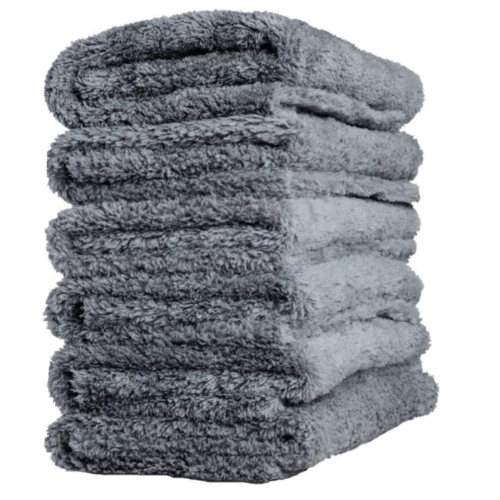
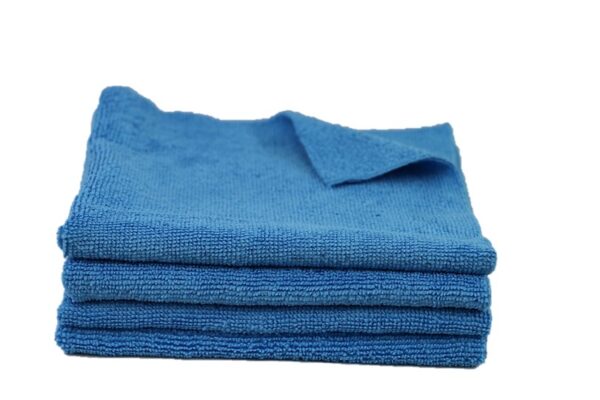
The HT-EL20A Edgeless Microfiber Towel from Polishing Systems Inc is built for professional detail workflows where surface protection is non-negotiable. The borderless construction, professional microfiber pile, and detailing-task sizing make it the standard-issue quality towel for paint wipe-downs, detailer spray buffing, and general interior surface finishing in an active shop environment.
What This Towel Is
An edgeless (borderless) professional microfiber towel. The edge is finished without a sewn seam — the microfiber pile extends to the cut edge with no raised border. This construction makes every part of the towel’s surface safe for paint contact, including the edges and corners. The HT-EL20A designation identifies this specific SKU in the edgeless microfiber product range from Polishing Systems Inc.
Key Features and Why They Matter
- Edgeless (borderless) construction — eliminates the sewn seam edge that creates micro-scratching on clear coat and coated surfaces when a towel edge contacts paint at speed or under pressure.
- Professional microfiber pile — appropriate density and pile height for the wipe-down, detailer buffing, and surface finishing applications this towel is used for in daily professional detail work.
- Washable, reusable construction — maintains performance through hundreds of wash cycles with correct laundering (no fabric softener, appropriate temperature, separate from cotton).
- Detailing-task sizing — appropriately sized for panel wipe-downs and folding technique to maximize the number of clean faces per towel per session.
- Compatible with the full range of detailing products — safe for use with quick detailers, wax buff-off, ceramic coating wipe steps, glass cleaners, and interior surface products.
What This Is NOT For
Not for wheel and brake dust cleaning, engine bay work, or any heavily-soiled exterior application. Keep paint and interior edgeless towels separate from wheel and undercarriage towels in every shop’s towel management system. Not for use as a polishing machine pad. Do not use with fabric softener in laundering — it destroys the microfiber’s cleaning and absorption function permanently.
Who Uses This Towel
Professional detailers maintaining a towel inventory of paint-safe edgeless microfiber for daily use. Mobile detailers building a compact, high-quality towel kit. Ceramic coating installers who need a reliable edgeless towel for wipe steps. For a plush-pile edgeless option, see the Edgeless Ultra Plush 16×24 Blue Microfiber Towel. For a compact 16×16 edgeless towel, the Gray 16×16 Edgeless Microfiber is the alternative in the lineup.
How to Use
- Pre-wash new towels before first use — this removes manufacturing residue and activates the microfiber surface for optimal performance.
- Fold into quarters for panel wipe-downs — fold provides 8 clean contact faces per towel per session.
- Apply product to towel or surface depending on application type. For interior wipes, spray onto towel. For paint buff-off, product is typically already on the surface.
- Use light, even pressure in straight passes. Flip to a fresh face every 2-3 wipes on paint surfaces.
- Launder after each use — do not allow used towels to sit with product in the pile for extended periods.
Why Edgeless Microfiber vs. Standard Microfiber for Paint Work
On non-paint surfaces — glass, plastic trim, dash wipe-downs — the difference between edged and edgeless microfiber is minimal. On painted surfaces, particularly clear-coated or ceramic-coated paint that has been machine polished, every contact matters. The sewn seam on a standard microfiber is stiffer than the rest of the towel. If that edge drags across fresh clear coat, it is applying a harder, narrower contact point than the soft pile intended. The edgeless format makes the entire towel consistent — all soft microfiber, no hard edges, from center to perimeter. That is why professional detailers and coating shops maintain edgeless towels as a distinct category in their towel inventory.
Frequently Asked Questions
What is the difference between this towel and the 16×16 gray edgeless?
Both are edgeless professional microfiber towels. The primary differences may be in size, pile construction, or GSM specification. The HT-EL20A designation indicates a specific product SKU — contact us for the exact dimensions and pile specification to compare against the 16×16 gray for your intended application. Both are suitable for general paint-safe detail work; the best choice depends on size preference and specific use case.
Is this towel safe on PPF (paint protection film)?
Yes — properly maintained edgeless microfiber is safe on PPF for light wipe-downs and detailer application. Use with an appropriate PPF-safe quick detailer. Avoid wax and silicone-based products on PPF edges. Do not drag towel edges across PPF panel edges where the film is most vulnerable to lifting.
How many times should I fold the towel for panel wipe-downs?
Fold in half, then in half again to create a 4-layer folded pad. This creates 8 usable clean faces — flip to a new face after each panel or when the current face appears soiled. This technique maximizes the number of clean contacts per towel and reduces the risk of redistributing contamination across panels.
Can this towel be used with iron removers or tar removal products?
Yes — edgeless microfiber is compatible with iron removers, tar removers, and most chemical surface decontamination products. Note that chemical decontamination towels may retain chemical residue after washing — designate separate towels for chemical decontamination use rather than rotating these towels into your standard paint wipe rotation after heavy chemical exposure.