
Detailing work puts hands in contact with a constant rotation of chemicals — degreasers, solvents, acidic wheel cleaners, alkaline APCs, polishing compounds, and ceramic coatings. Bare hands absorb chemical exposure over time. Cheap latex gloves tear on first use and offer minimal chemical resistance. Household rubber gloves are too thick to feel pad pressure or product distribution during polishing work. Professional detailing demands a glove that provides real chemical protection without sacrificing dexterity.
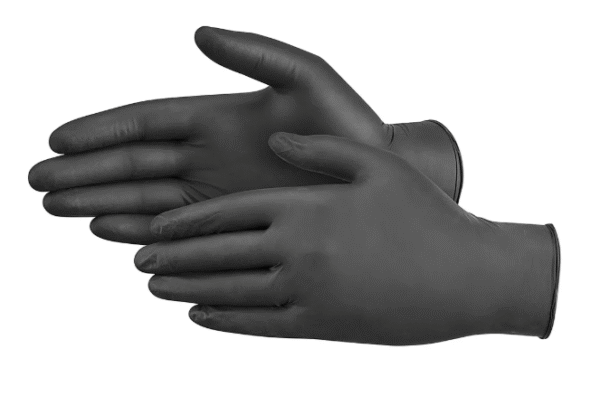
Finish Line Premium Black Nitrile Gloves XL are the professional choice. Nitrile provides better chemical resistance than latex, is suitable for users with latex sensitivity, and the powder-free formulation avoids contaminating surfaces or polishing products with glove powder. The black color hides chemical staining that makes light-colored gloves look used immediately. XL sizing provides proper fit for large hands without the restriction that undersized gloves create during full-day wear.
What These Gloves Are
Finish Line Premium Black Nitrile Gloves are disposable, powder-free nitrile examination-grade gloves in black. They are designed for chemical handling in professional detailing, body shop, and automotive service environments. XL sizing. Sold as a box suitable for shop supply.
Key Features and Why They Matter
- Nitrile construction — better solvent and chemical resistance than latex. So what? Provides meaningful protection when working with degreasers, alkaline cleaners, acidic wheel brighteners, and polishing chemistry that degrades latex quickly.
- Powder-free formulation — no talc or cornstarch powder inside the glove. So what? Prevents glove powder from contaminating paint surfaces, polishing pads, or coating products during precision application work.
- Black color — resists visible staining from chemical contact and dirty surfaces. So what? Gloves look professional through an entire shift instead of appearing visibly contaminated after the first task.
- XL size — proper fit for larger hands without restriction. So what? Detailers with large hands can work in proper-fitting gloves all day without the fatigue and reduced dexterity that undersized gloves cause.
- Tactile sensitivity — thin-wall nitrile maintains fingertip feel. So what? You can feel pad pressure, product distribution, and surface texture during polishing and coating application without removing gloves for precision tasks.
What These Are NOT For
Nitrile gloves provide good resistance to many detailing chemicals but are not rated for all solvent exposure. For handling pure acetone or highly aggressive solvents for extended periods, thicker chemical-resistant gloves (butyl rubber or laminate film) provide superior protection. Disposable nitrile is appropriate for standard detailing chemical contact, not for extended immersion in concentrated solvents. These are single-use gloves — do not reuse after removal.
Who Uses These
Professional detailers handling degreasers, cleaners, polishing compounds, and coatings throughout a working day. Paint correction technicians who need dexterity during compound and polish application. Ceramic coating installers requiring clean, uncontaminated glove surfaces. Body shop technicians handling prep chemicals and surface cleaners. Mobile detailers who need a reliable glove supply across jobs.
How to Use
- Select proper glove size — XL should fit with a snug but not tight wrist and full finger coverage.
- Don gloves at the start of any chemical handling task.
- Change gloves when switching from heavy chemical use to precision work on surfaces where glove contamination is a concern.
- Remove gloves by peeling from the wrist without touching the outer surface and dispose of properly.
- Wash hands after removing gloves — nitrile provides barrier protection but is not a substitute for hand hygiene after chemical work.
Why Professional Detailers Use Nitrile Gloves
Consistent glove use in a detailing shop reduces chemical skin exposure over a career, avoids fingerprint oil contamination on surfaces being prepared for ceramic coating, and maintains a professional appearance that clients notice. The per-glove cost of disposable nitrile is low enough that glove changes between tasks are practical. For a complete range of detailing supplies and shop accessories, browse the full catalog at Polishing Systems Inc.
Frequently Asked Questions
Are these safe for latex-sensitive users?
Yes — nitrile is a synthetic rubber with no natural latex proteins. It is the recommended alternative for users with latex allergies or sensitivities. If you have a known latex allergy, nitrile is the appropriate glove material for your detailing work.
Can I use nitrile gloves when applying ceramic coatings?
Yes — nitrile gloves are appropriate for ceramic coating application. The powder-free formulation is important in this application, as glove powder on the coating applicator can contaminate the coating surface. Change to a fresh glove if the exterior becomes contaminated with dried coating product during application.
How many gloves come in the box?
Standard nitrile glove boxes typically contain 100 gloves (50 pairs). Confirm the unit count on the product listing for this specific SKU.
Are the gloves thick enough for rough work or are they thin?
These are premium-grade examination-style nitrile gloves — they have better durability than budget nitrile options but are not industrial-weight gloves. They are designed for the balance of chemical protection and tactile sensitivity needed in detail work, not for heavy mechanical work where puncture resistance is the primary need.
Do the gloves leave any residue on surfaces?
Powder-free nitrile gloves do not leave talc contamination. Like any gloved surface, avoid prolonged contact of the outer glove surface with paint ready for ceramic coating application — change gloves if they have been in heavy chemical contact before working on prepped paint.