
Hand-washing a 53-foot trailer with a long-handle brush is slow work. A machine-operated rotary brush that mounts directly to your existing electric polisher or drill eliminates most of that labor — the same motion that takes 45 minutes by hand takes 10-12 minutes when the brush is doing the rotation for you. For fleet washing operations, truck wash tunnels, and commercial detailers working high-volume exterior scrubbing, the direct mount rotary brush is the productivity upgrade that pays for itself quickly.
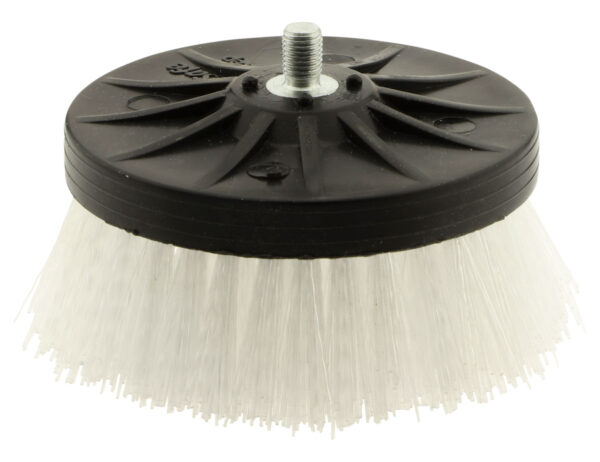
The Direct Mount Rotary Brush from Polishing Systems Inc is a heavy-duty washing brush built for power tool attachment and production-volume exterior washing. The 5/8″-11 threaded direct mount connects to any rotary buffer, variable-speed drill, or commercial brush machine with a standard threaded spindle. No adapter, no separate handle — thread it on and start working.
What This Brush Is
This is a direct-threaded rotary wash brush — meaning the brush body itself has the 5/8″-11 female thread that connects directly to a rotary machine spindle or drill without additional hardware. The bristle construction is polypropylene or similar durable synthetic, designed to stand up to regular washing with vehicle wash concentrates, degreasers, and fleet wash chemicals. It is not a polishing or paint correction tool — it is a washing and agitation brush for exterior painted, fiberglass, or metal surfaces that can tolerate mechanical brushing.
Key Features and Why They Matter
- 5/8″-11 direct threaded mount — connects to standard rotary polisher and drill spindles without adapter plates or backing pad intermediaries. Saves setup time and eliminates the wobble that external adapters can introduce.
- Durable synthetic bristles — hold their shape and stiffness through repeated chemical exposure and washing cycles. The bristle stiffness is calibrated for exterior vehicle washing, not paint polishing.
- Production washing speed — rotary-powered agitation covers large surface areas (trailer sides, cab faces, bus panels) significantly faster than manual hand washing with the same brush.
- Chemical-resistant construction — the brush body and bristles withstand regular exposure to vehicle wash concentrates, alkaline degreasers, and fleet wash products.
- Wide surface coverage per rotation — larger brush diameter covers more surface per pass, reducing the number of passes needed on large flat surfaces.
What This Is NOT For
This brush is not designed for use on passenger vehicle clear-coated paint. Rotary brush agitation at machine speed on paint will cause swirl marks, scratching, and potential clear coat damage. This tool is for commercial exterior washing on surfaces that are designed for mechanical brush contact: painted steel, aluminum, fiberglass, gel coat trailers, plastic cladding on commercial vehicles, and pre-treatment washing on vehicles that will go through paint correction afterward. Do not use on automotive glass, soft-top convertible fabric, polished aluminum, or chrome trim.
Who Uses This Brush
Fleet wash operators, truck and trailer wash facilities, mobile fleet detailers, and commercial detail shops doing high-volume exterior scrubbing on large vehicles. Also used in marine applications for hull washing on fiberglass boats and aluminum-hull vessels where rotary agitation is appropriate. For manual fender brush work without power tools, the 20″ Fender Brush is the manual alternative.
How to Use
- Thread the brush onto your rotary spindle — hand-tighten firmly. Do not over-torque, as the female thread on the brush body can strip if over-tightened with a wrench.
- Pre-wet the vehicle surface and apply wash concentrate or fleet wash product to the surface or the brush head.
- Set machine to a moderate speed — 600-1200 RPM is typical for wash brush agitation. Higher speeds increase risk of product sling and reduce control on curved surfaces.
- Work in overlapping passes — move the brush steadily across the surface without pausing in one spot, which can cause uneven agitation marks.
- Rinse thoroughly after washing to remove all chemical and soil from the surface and the brush.
- Clean the brush after use — rinse the brush head under running water and allow to dry before storage.
Why Buy vs. a Manual Wash Brush
Manual wash brushes require physical effort and time to cover large surfaces. A rotary-powered brush that attaches to your existing equipment cuts that time by 50-70% on flat surface washing, reduces operator fatigue on long washing sessions, and delivers more consistent agitation pressure across the entire surface than hand strokes. For a fleet operator washing 20 trucks per day, the time savings compound into real labor cost reduction. Browse the full exterior tools category for complementary washing and prep tools.
Frequently Asked Questions
Will this brush fit a standard 5″ or 6″ backing plate polisher?
It fits any polisher or drill with a 5/8″-11 spindle thread — which is the industry standard for rotary polishers and most variable-speed drills with threaded spindles. If your machine uses a different thread pitch, an adapter may be available, but the direct mount works natively on standard rotary polisher spindles.
Is this brush suitable for gel coat boat hull washing?
Yes — for gel coat hull washing during a haul-out or regular maintenance cleaning, this rotary brush provides effective agitation without the chemical harshness of some hull cleaning methods. Use with an appropriate marine hull cleaner and confirm that rotary brush contact is suitable for your hull’s gel coat condition before use.
What RPM should I run the brush at?
600-1200 RPM is the practical range for wash brush agitation. Higher RPM increases product sling, generates more heat on the surface, and reduces the control you have on curved panels. Start at the lower end and increase only if your wash product requires more agitation to activate or remove the specific soil type you are dealing with.
How long do the bristles last?
Bristle life depends on frequency of use, aggressiveness of the surfaces cleaned, and the chemicals used. In regular fleet washing use with standard vehicle wash concentrate, a quality rotary brush should deliver hundreds of wash cycles before bristle wear becomes a performance issue. Rinse and dry after use to extend service life.