
On large flat panels — hoods, roofs, trunk lids, door faces — a 6-inch backing plate covers ground fast and makes paint correction more efficient than a smaller diameter. But even large flat panels have transitions, and the flex that allows a backing plate to follow those transitions is what separates a professional plate from a basic rigid one. The 6-inch high-flex plate is the production workhorse for detail shops doing machine polishing on full vehicles.
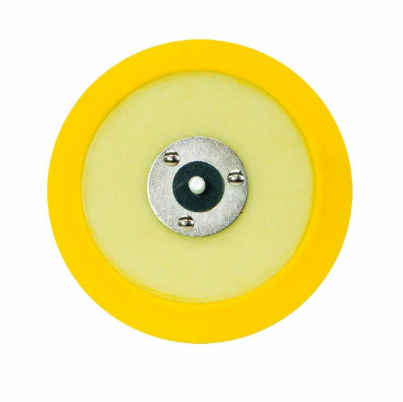
The 6″ DA Grip High-Flex Backing Plate (Yellow) is the 6-inch version of the same high-flex DA backing plate design used by professional detailers who need consistent pad contact across both flat and curved panels. The flex interface allows the pad to pivot slightly under lateral pressure, keeping the full foam or microfiber face in contact with the paint surface rather than riding on one edge. The result is consistent abrasive delivery, even gloss development, and fewer pressure marks on the customer’s vehicle.
What This Backing Plate Is
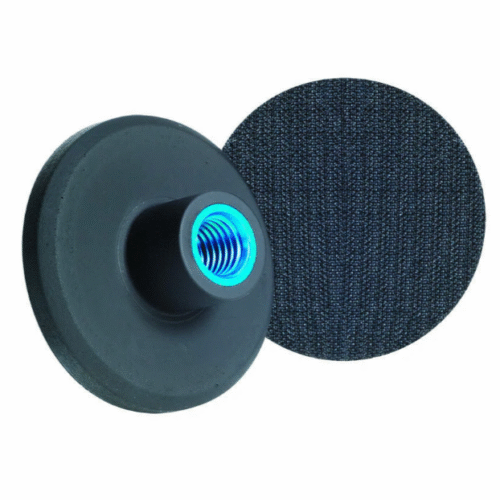
This is a 6-inch hook-and-loop backing plate for DA random-orbit polishers with a 5/16″x24 spindle thread. The high-flex design allows the pad face to pivot relative to the spindle connection when the machine crosses curved or angled panel sections. This keeps the pad flat against the surface instead of tilting, which is the difference between consistent abrasive contact across a panel and hot spots or light sections that need to be re-worked.
Key Features and Why They Matter
- 6-inch working diameter — covers panels faster than a 5-inch plate. Hoods, roofs, long door sections, and flat trunk panels are worked more efficiently at 6 inches. So what? Faster panel coverage means shorter correction time per vehicle and more throughput for production shops.
- High-flex interface — pad face pivots with panel contours under lateral pressure. Prevents edge pressure and the edge-pressure defects (swirl arcs, single-edge burn marks) that rigid plates create on curved panels.
- 5/16″x24 thread — the most common DA polisher spindle standard. Direct fit for most professional DA machines without adapters.
- Hook-and-loop pad attachment — accepts all standard 6-inch foam, microfiber, and wool pads. Pad changes take seconds.
- Yellow color coding — matches the 5-inch plate in the same product family, allowing shops to manage both sizes in a multi-plate kit with instant visual identification.
What This Is NOT For
This plate is designed for DA random-orbit polishers only. Do not use on a rotary machine — the high-flex design is not rated for rotary forces and may deform. This plate does not fit rotary spindles (5/8″-11 thread) without a thread adapter. The 6-inch diameter is the right choice for large panels; for tight areas, pillars, or spots where a 6-inch plate is too large to maneuver, use the 5-inch version instead.
Who Uses This
Professional detail shops running a 6-inch DA pad system for standard paint correction, body shops using DA polishing for light blending, mobile detailers doing full panel correction, and enthusiasts who want the right tool for fast, controlled machine polishing. The 6-inch plate is the production standard for most full-vehicle correction work. Shops doing high-volume correction typically run 6-inch plates on large panels and switch to 5-inch for detail work around body lines and tight sections.
How to Use
- Thread the plate onto the DA machine spindle hand-tight. Verify the plate spins without wobble before use.
- Attach your 6-inch pad to the hook-and-loop face. Confirm the pad is centered and seated fully.
- Prime the pad with a small amount of polish or compound before running the machine — never run a dry pad against paint.
- Work at medium speed for cutting pads, lower speed for finishing pads. Let the product and pad do the work — consistent, overlapping passes produce more even results than pressure.
- Keep the machine moving at a steady pace. The flex plate helps with contour tracking but does not eliminate the need for proper technique on compound curves.
- Inspect the hook-and-loop surface regularly and clean off embedded polish residue with a soft brush to maintain grip.
Why Buy This vs. a Generic 6-Inch Plate
Generic rigid backing plates are inexpensive but create consistent problems on curved panel sections — edge pressure, uneven cut, and the risk of burning a high point when the rigid plate tilts. The high-flex design prevents these issues by allowing the pad to conform to the surface rather than fighting it. For shops doing paint correction on real customer vehicles where defects from improper tooling are a rework liability, the high-flex plate is the right choice — and pairing it with quality DA pads produces the consistent results customers expect.
Frequently Asked Questions
Can I use this plate with 6-inch microfiber cutting discs?
Yes — the hook-and-loop face accepts 6-inch microfiber cutting discs and finishing discs in addition to standard foam pads. The flex design is fully compatible with microfiber disc products.
Is the 6-inch plate better than the 5-inch for paint correction?
Better depends on the panel. The 6-inch plate covers ground faster on large flat or gently curved panels — hoods, roofs, doors. The 5-inch plate provides more control in tight areas and on vehicles with pronounced body lines. Most production shops run both and switch based on the panel. If you can only have one, the 6-inch is more versatile for full-vehicle correction on typical sedans, SUVs, and trucks.
Does the high-flex design affect how much pressure the pad applies?
The flex design redistributes pressure to maintain even pad contact across a curved surface — it does not reduce the total amount of pressure applied. The full weight and motion of the machine is still transferred to the paint through the pad. The flex simply keeps that pressure even across the pad face rather than concentrating it on one edge as the plate tilts with the panel contour.
How often should the backing plate be replaced?
Replace the plate when the hook-and-loop surface no longer grips pads firmly, when you notice wobble that cannot be corrected by re-threading the spindle connection, or when the flex mechanism feels stiff or locked. Under normal use, a quality backing plate lasts through several years of production use before the hook surface degrades enough to warrant replacement.
Will this fit a Rupes or Festool DA polisher?
Rupes BigFoot and LHR-series polishers use M8 x 1.25 metric thread, not 5/16″x24 imperial thread. This plate does not fit Rupes machines without a separate adapter. Festool also uses metric threading on most models. Confirm your machine’s spindle thread before ordering — if your machine uses metric thread, a thread adapter or a metric-threaded backing plate is required.