
The finishing pad is the last mechanical contact between your tools and the paint before the vehicle is handed back to the customer or before the coating goes on. Everything the correction and polishing stages accomplished is either preserved or partially undone by the finishing pass — and the pad density determines whether that last step refines the surface to a jewel-like gloss or leaves micro-marring from pad friction.
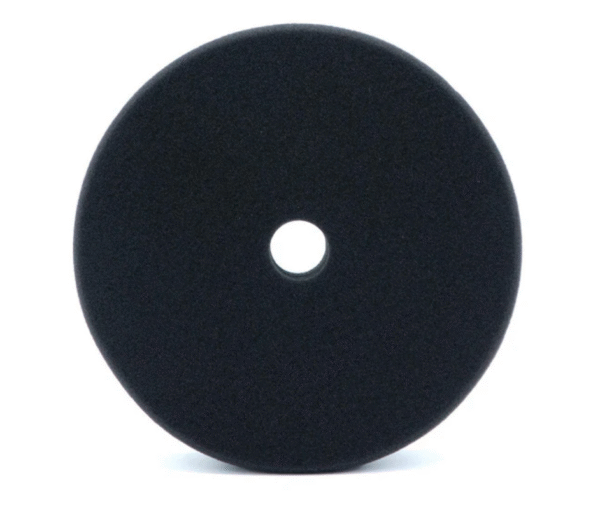
Uro-Tech 6″ Finishing Foam Pad from Polishing Systems Inc is the soft-density final-stage pad. It works with finishing polishes and glazes to remove the fine micro-marring left by medium polishing pads and produce the wet, mirror-like finish that represents a properly completed correction job.
What This Pad Is
A 6-inch diameter, soft-density foam finishing pad. Low foam density minimizes surface friction, producing the finest possible surface finish at the final polishing stage. Designed for use with finishing polish, glazes, and one-step finishing products. Fits 6-inch hook-and-loop backing plates.
Key Features and Why They Matter
- Soft foam density — minimizes pad-induced surface friction at the finishing stage. Produces a cleaner, finer surface finish than a medium or firm pad with the same finishing product.
- 6-inch working diameter — efficient coverage on large panel sections for the finishing pass. Reduces the time required to finish large surfaces like hoods, roofs, and trunk lids.
- Designed for finishing polish compatibility — the correct pad-product pairing for glazes, jeweling compounds, and one-step finishing polishes that need a soft contact surface to work correctly.
- Part of the Uro-Tech pad system — used as the final stage after the light-cut/polishing stage. The 5-inch finishing pad is available for smaller-diameter polisher setups. For all Uro-Tech pads in one place, see the exterior polishing pads category.
What This Pad Is NOT For
The soft finishing pad is not appropriate for the correction or polishing stages — the foam is too soft to deliver cutting compounds at the pressure needed for effective defect removal. Do not use with heavy-cut or medium-cut compounds; the pad will glaze quickly and deliver inconsistent cutting performance.
Who Uses This Pad
Professional paint correction specialists completing the final jeweling stage on high-value vehicles, detailers applying a one-step polish and wax on vehicles with light defects, ceramic coating installers doing a final surface refining pass before wipe-down and coating, and detail shop technicians doing maintenance polishing on client vehicles.
How to Use
- Attach to a 6-inch backing plate.
- Apply 3-4 pea-sized drops of finishing polish or glaze to the pad.
- Spread at low speed before the working pass.
- Work at 3,500-4,500 OPM (DA) or 900-1,100 RPM (rotary) with light pressure.
- Make 2-3 overlapping passes per section.
- Wipe immediately with a clean microfiber and inspect under an inspection light for any remaining micro-marring.
Frequently Asked Questions
Can I apply wax or coating directly with this finishing pad?
The finishing pad is designed for use with machine polishers, not for hand-application of wax or coating. For wax application, use a dedicated foam wax applicator by hand. For ceramic coatings, use the designated application method specified by the coating manufacturer — typically a suede or specialized ceramic applicator block.
How do I know when to replace the finishing pad?
Replace the finishing pad when the foam face shows permanent compression (the pad no longer returns to its original thickness after use), glazing that does not come out after washing, or any tearing or separation of the foam from the Velcro backing. Using a degraded finishing pad with a good finishing polish produces a worse result than using a fresh pad — pad condition matters most at the final stage.
Should I clean the finishing pad between panels?
Yes — run a pad conditioning brush through the pad face between panels to clear polish residue buildup. A glazed pad wastes product and produces inconsistent results. For longer finishing sessions, have a second pad ready to swap in when the first shows buildup.