
A fiberglass layup that sticks to the mold is a production failure — the part tears, the mold surface is damaged, and the time and material invested in the layup are lost. The same applies to rubber casting, polyester resin work, and any fabrication process where a finished part needs to release cleanly from a mold surface. Mold release is not an optional step; it is the step that determines whether the finished part comes out cleanly or whether the whole job has to be reworked.
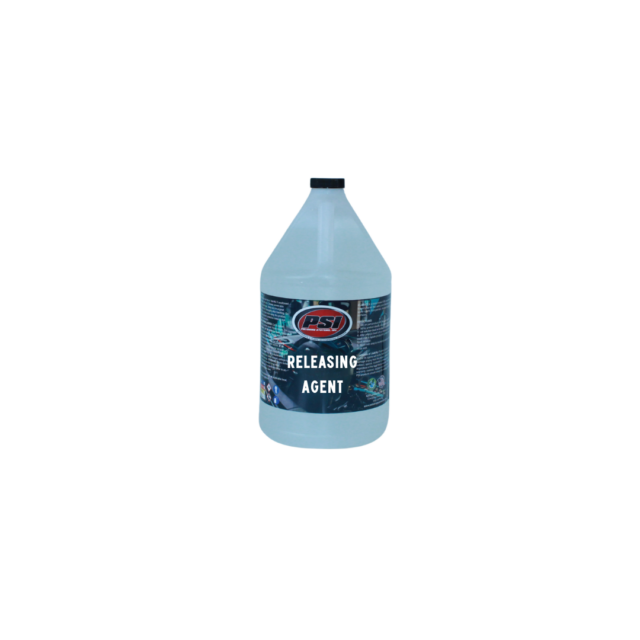
Releasing Agent 1 Gallon is the professional mold release product for automotive, marine, and industrial fabrication operations that work with fiberglass, resin, rubber, and similar materials. The 1-gallon working size provides enough product for consistent application across production runs without frequent reorder interruption.
What Releasing Agent Is
Releasing Agent is a chemical mold release product that is applied to a mold surface before part fabrication — fiberglass layup, resin casting, rubber molding, or similar processes — to create a non-stick barrier layer between the mold surface and the part material. When the part is cured, the release layer allows the part to separate from the mold cleanly without adhesion. The 1-gallon size is appropriate for active fabrication shops that apply releasing agent regularly. For higher-volume operations, see the Releasing Agent 5 Gallon for reduced per-gallon cost.
Key Features and Why They Matter
- Effective mold release chemistry — creates a reliable barrier between the mold surface and the casting or layup material, allowing clean part separation without bonding or tearing of the finished part or the mold surface.
- Broad material compatibility — suitable for use with fiberglass, polyester resin, epoxy, rubber, and similar materials used in automotive and marine fabrication. One product covers the range of materials an active fabrication shop encounters.
- Mold surface protection — in addition to enabling part release, the releasing agent film protects the mold surface from chemical attack by the casting material, extending mold service life between refurbishment.
- 1-gallon working volume — the practical working size for fabrication shops doing regular production runs. Sufficient product for multiple release applications between reorders.
- Easy application — applied by wipe, spray, or brush depending on mold geometry and preferred application method. No complex mixing or preparation required before use.
What Releasing Agent Is NOT For
Releasing Agent is a fabrication tool for mold release in casting and layup processes — it is not a vehicle surface protectant, not a wax alternative for automotive paint, and not a lubricant for mechanical assemblies. It is designed for application to mold surfaces before part fabrication, not to finished parts or vehicle exteriors. Do not apply to cured automotive paint, gel coat on finished vessels, or any surface where a release film would interfere with subsequent coating, bonding, or adhesion processes.
Who Uses This
Marine repair and custom fabrication shops that build or repair fiberglass components, automotive body shops that fabricate custom fiberglass body panels and parts, custom wheel and bumper fabricators working with resin and fiberglass, rubber and urethane casting operations producing custom parts, and restoration shops that reproduce discontinued fiberglass components using original or reproduction molds.
How to Use
- Prepare the mold surface: The mold must be clean, dry, and free of contamination, previous release agent buildup, and surface defects. A contaminated mold surface compromises both the release performance and the part surface quality.
- Apply a thin, even coat of releasing agent: Wipe, spray, or brush the releasing agent onto the entire mold surface in an even, thin coat. Work systematically to ensure complete coverage of all mold surfaces including detail areas and undercuts.
- Allow to flash or cure: Allow the releasing agent to flash or dry to the surface per the product’s application instructions before layup or casting. Do not apply material over a wet release agent coat.
- Apply additional coats as needed: Some mold geometries and materials benefit from 2–3 coats of release agent for reliable separation. New molds typically require more coats than conditioned molds with established release film buildup.
- Proceed with layup or casting according to normal fabrication procedures.
Why Dedicated Mold Release vs. Improvised Alternatives
Common improvised release agents — paste wax, petroleum jelly, cooking spray — provide inconsistent release performance and can contaminate the mold surface in ways that affect subsequent parts and the mold’s long-term condition. A dedicated mold release agent is formulated for the chemistry of the casting materials it is designed to work with, provides consistent and reliable release performance, and protects the mold surface without introducing contaminants. The cost of a proper releasing agent is negligible compared to the value of a failed part or damaged mold.
Frequently Asked Questions
How many mold release applications does 1 gallon cover?
Coverage varies significantly by mold surface area, the number of coats applied per release cycle, and the application method. At standard thin-coat application rates, 1 gallon covers a substantial number of mold release applications — contact Polishing Systems Inc for application-specific coverage guidance based on your mold sizes and materials.
Is this releasing agent compatible with epoxy resin?
Contact Polishing Systems Inc to verify compatibility of this specific releasing agent formulation with epoxy resin systems. Releasing agent compatibility varies between formulations and the specific resin chemistry being used. Using an incompatible releasing agent can result in bonding failure, surface contamination of the part, or damage to the mold surface.
How do I remove releasing agent buildup from a mold after multiple uses?
Releasing agent buildup on a mold surface can affect part surface quality over time as the film accumulates. Remove buildup by cleaning the mold with an appropriate mold cleaner or solvent, then reapply fresh releasing agent before the next production run. Maintain a regular mold cleaning and recoating schedule rather than allowing excessive buildup.
Can releasing agent be used with a spray gun for large mold surfaces?
Yes — spray application is an efficient method for large mold surfaces where brush or wipe application would be time-consuming or provide less consistent coverage. Verify that the releasing agent formulation is appropriate for spray application through your specific spray equipment before applying at production scale.
What is the shelf life of releasing agent in a 1-gallon container?
Store in a tightly sealed container in a temperature-stable environment away from extreme heat and direct sun. Contact Polishing Systems Inc for current shelf life specifications for this product. Releasing agent that has thickened, separated, or changed appearance significantly should not be used without testing on a non-critical application first.