
Dilution accuracy matters more than most detail shops treat it. Under-concentrated all-purpose cleaner doesn’t clean effectively. Over-concentrated interior cleaner on leather can strip conditioner and cause surface damage. Getting the dilution right — consistently, across every tech in the shop on every product fill — requires either a measuring tool or a metered dispensing system. A 1-oz-per-stroke pump provides that metering built into the dispensing process.
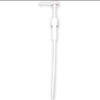
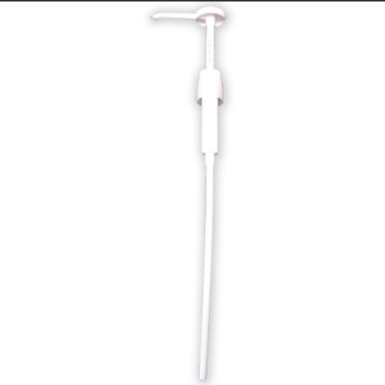
The Pump for 5 GL Container — 1 oz Per Stroke delivers exactly 1 fluid ounce of product per pump stroke. No measuring cups. No estimating. Count the strokes, hit the ratio, close the bottle. For operations where consistency is a quality standard, this is the correct dispensing tool for 5-gallon chemical pails.
What This Is
This is a metered hand pump for standard 5-gallon pails that delivers a precise 1 fluid ounce (30 mL) of product per pump stroke. The pump tube reaches the bottom of a standard 5-gallon pail, and each downward pump stroke delivers exactly 1 oz — allowing technicians to fill dispensing bottles to a specific dilution ratio by counting strokes without separate measuring. Pair with the Plastic Bottle 16 oz dispensing bottles for a complete pre-measured dilution system. For non-metered dispensing, see the standard Pump for 5 Gallon Container.
Key Features and Why They Matter
- 1 oz per stroke metered output — delivers exactly 1 fluid ounce per pump stroke. Eliminates measuring cups and dilution ratio estimation. Consistent dilution every time, from every technician, with every fill.
- Pail-top installation — inserts into the standard bung opening of a 5-gallon plastic pail. No pail modifications or adapters required for standard containers.
- Hand-operated pump mechanism — simple, reliable, requires no power source. Functions consistently in any shop environment through extensive daily use.
- Clean, controlled dispensing — eliminates the spill and waste risk of tipping and pouring from heavy 5-gallon containers. Keeps the chemical mixing station clean.
- Compatible with water-based chemicals — suited for the water-based cleaners, dressings, shampoos, and other liquid concentrates packaged in 5-gallon format for professional detailing markets.
What This Is NOT For
The 1-oz-per-stroke metered pump is designed for water-based liquid chemicals at standard working viscosity. Not appropriate for thick gels, paste products, or very high-viscosity concentrates. Not rated for concentrated acids, aromatic solvents, or other chemistries that require specialized pump materials. For drum-scale dispensing, use a drum pump system. The metered output is designed for mixing station use — not for direct application of product to vehicle surfaces.
Who Uses These
Detail shops with a chemical mixing station where technicians fill their own working bottles at the start of each shift to consistent dilution ratios, car washes that need consistent chemical concentrations across multiple mixing points to maintain wash quality, fleet maintenance operations mixing cleaning chemicals in controlled ratios for specific applications, and any shop where dilution consistency is a quality control standard rather than an approximation.
How to Use
- Calculate your stroke count: Determine the number of strokes needed for your target dilution in your dispensing bottle size. For a 16 oz bottle at 10:1 (concentrate:water) dilution — 1.45 oz concentrate needed — use 1–2 strokes of concentrate, then fill with water to the 16 oz mark.
- Insert the pump into the pail bung: Seat the pump tube fully in the bung opening. The pump head should sit stably on the pail top.
- Position the dispensing bottle under the nozzle.
- Pump the measured number of strokes for the required concentrate volume.
- Add water to the target volume, then mix by gentle agitation or capping and inverting.
- Label the bottle with product name, dilution ratio, and date if desired.
Why Metered Dispensing vs. Free-Pour Estimation
In a shop where one technician mixes by eye at a 10:1 ratio and another interprets “a little less than a cap” differently, you get inconsistent product performance across the team. Metered dispensing removes the variable — the same number of strokes produces the same dilution every time regardless of who fills the bottle. For shops where product performance consistency is a service quality standard, metered dispensing is the operational investment that supports that standard at minimal cost.
Frequently Asked Questions
How do I calculate stroke count for a specific dilution ratio?
Divide the target concentrate volume by 1 oz per stroke. For a 16 oz dispensing bottle at a 10:1 (water:concentrate) dilution ratio: 16 oz total / 11 parts = approximately 1.45 oz concentrate — use 1 stroke concentrate, then fill with water. For a 32 oz bottle at 10:1: approximately 2.9 oz concentrate — use 3 strokes concentrate, fill with water. Post dilution charts at the mixing station for each product in use for technician reference.
Is this pump compatible with all 5-gallon pails?
Compatible with standard 5-gallon plastic pails using the common 70mm bung opening. Check your pail bung size against the pump specifications before ordering if you use non-standard container configurations.
How does this differ from the standard pump without metered output?
The standard Pump for 5 Gallon Container dispenses product per stroke without a calibrated metered volume — it is suitable for dispensing large amounts into a working container when exact volume measurement is done separately. The 1-oz-per-stroke model provides built-in measurement at the dispensing step, eliminating the need for a separate measuring cup.
Can this pump handle all-purpose cleaner concentrates?
Yes — APC concentrates, shampoo concentrates, dressing concentrates, and similar water-based professional detailing chemicals at working viscosity are within the design parameters of this pump. For concentrates thicker than a standard liquid (gels, pastes), verify the product flows freely through the pump tube before committing to this dispensing method.
How do I clean the pump between product changes?
Remove from the pail and flush with clean water by pumping multiple strokes with the tube submerged in a clean water container until output runs clear. Follow with a rinse using a small amount of the new product before returning the pump to service on the new chemical.