A boat’s gel coat faces a more demanding environment than automotive paint by almost every measure — constant UV exposure at the water’s surface, saltwater chemical attack, marine growth proximity, and the thermal cycling of repeated temperature swings through haul-outs and heat exposure on the hard. Conventional wax applied to gel coat lasts weeks. A professional ceramic coating applied correctly lasts years and provides protection that no maintenance wax product can match.
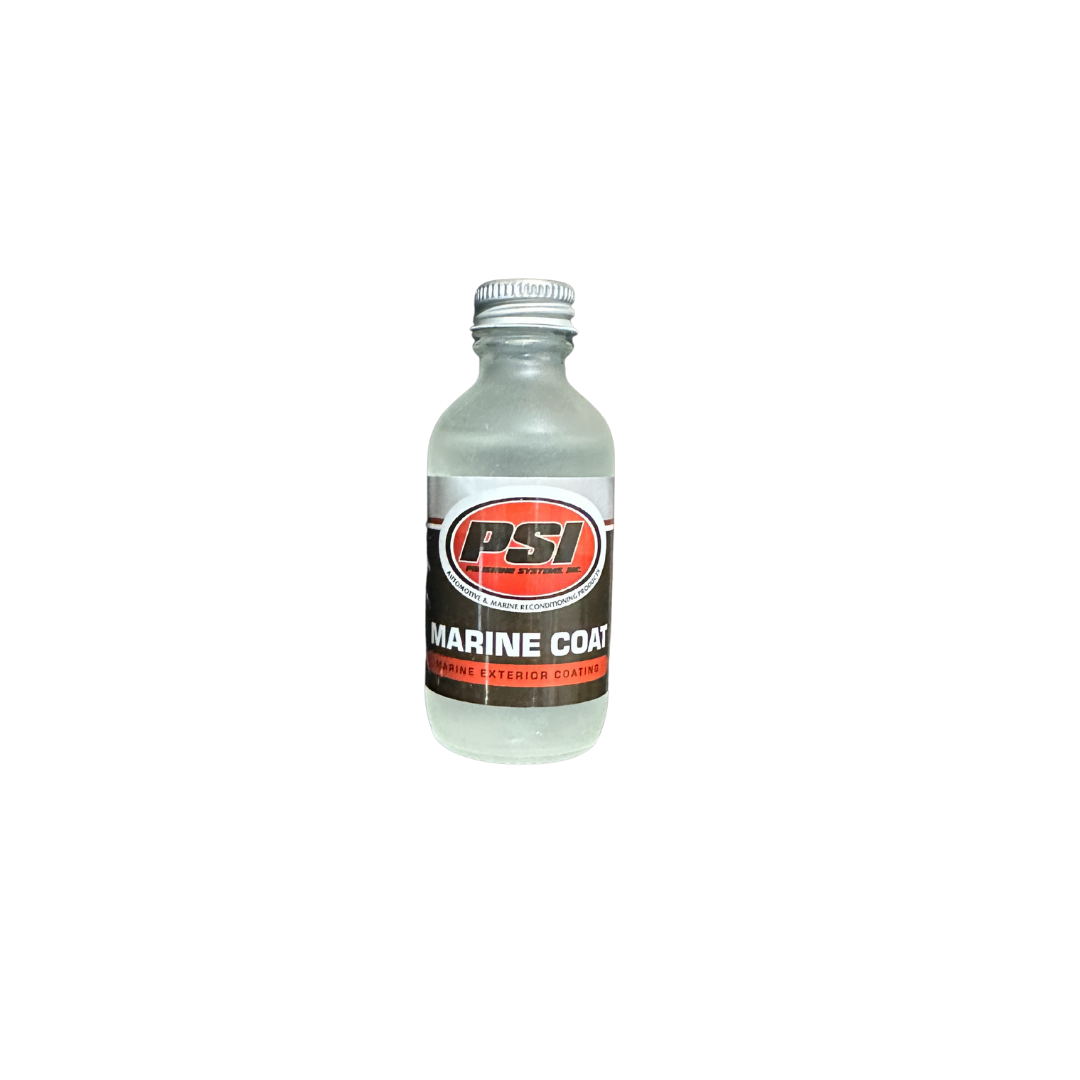
PSI Marine Ceramic Coating 50 mL is the professional-grade ceramic solution engineered for this environment. The 9H-hardness formulation bonds permanently to gel coat and painted fiberglass at the molecular level, creating a surface that resists UV degradation, saltwater chemical attack, and biological fouling above the waterline while maintaining the deep, wet gloss that new gel coat has when it leaves the factory.
What PSI Marine Ceramic Coating Is
PSI Marine Ceramic Coating is a silica-based (SiO2) professional 9H ceramic coating formulated specifically for marine surfaces — gel coat, painted fiberglass, and clear-coated boat surfaces above the waterline. Unlike automotive ceramic coatings that are engineered for painted steel and aluminum panels, this formulation addresses the specific chemistry of gel coat surfaces, the UV intensity encountered at sea level and on the water’s surface, and the chemical aggressiveness of saltwater exposure. It is the same category of product used by professional marine detailers for multi-year boat coating packages. See the Marine Ceramic category for related marine protection products.
Key Features and Why They Matter
- 9H hardness rating — the hardest standard level of ceramic coating protection, rated on the pencil hardness scale. Creates a surface significantly harder than gel coat or automotive clear coat, providing scratch and abrasion resistance beyond what any wax or polymer sealant can achieve.
- Marine-specific formulation — engineered for the chemistry, porosity, and UV exposure profile of gel coat rather than automotive paint. Provides better bonding and performance on marine surfaces compared to automotive ceramic coatings used on boats.
- Multi-year UV protection — resists UV-induced gel coat oxidation, chalking, and fading for multiple seasons when applied correctly. Dramatically reduces the labor of gel coat restoration between haul-outs.
- Saltwater and chemical resistance — the cured ceramic layer resists the alkaline and acidic chemical attack of saltwater, cleaning products, and marine atmosphere better than any organic protective coating.
- Sustained high-gloss finish — the coating itself contributes to gloss, and maintains that gloss through seasons of use without the cycle of wax application, degradation, and reapplication.
What This Is NOT For
PSI Marine Ceramic Coating is for above-waterline gel coat, painted fiberglass, and clear-coated surfaces. Do not apply to antifouling (bottom) paint — ceramic coating on the bottom of a hull will seal in the biocide and prevent the antifouling paint from functioning as designed. Apply only to topsides, decks, gel coat surfaces above the waterline, and superstructure. Do not apply over wax, sealant, or uncured gel coat without proper surface preparation — the coating will not bond and will fail prematurely. Professional application is strongly recommended for first-time ceramic coating users.
Who Uses This
Professional marine detailers offering multi-year boat coating packages to yacht and powerboat owners, boat owners who haul their vessel seasonally and want to eliminate the annual wax-and-polish maintenance cycle, marina operators managing a boat storage or maintenance program, and boat dealers prepping new and used vessels for sale where sustained gloss and UV protection are key selling points.
How to Use
- Surface preparation is critical: Wash, decontaminate, compound, and polish the gel coat to full correction before applying the coating. Any defect under the coating is permanent once the ceramic cures. Final IPA wipe to remove all polish residue and oils.
- Work in controlled conditions: Apply between 50°F–90°F with less than 70% relative humidity. Direct sun will cause flash curing and high spot formation — work in shade or an enclosed space.
- Apply with a ceramic applicator block and suede cloth: Apply small amounts of coating to the applicator cloth and work in overlapping straight-line passes across one panel section at a time.
- Level before flash: Work quickly — flash time varies with temperature. Level the coating within 1–3 minutes of application with a clean microfiber to remove high spots before they harden.
- Cure time: Allow 24 hours before water exposure for initial cure. Full hardness develops over 2–4 weeks. Avoid harsh chemicals during the initial cure period.
Why Ceramic Coating vs. Marine Wax for Serious Boat Protection
Marine wax applied to gel coat provides a few weeks to months of protection per application — and marine environments strip wax faster than automotive environments due to UV intensity, salt exposure, and frequent washing. A ceramic coating applied once provides 2–5 years of protection that exceeds wax performance on every measurable metric: hardness, UV resistance, chemical resistance, hydrophobic performance, and sustained gloss. For boat owners who value their vessel and want to minimize annual maintenance labor, ceramic coating is the correct long-term protection investment.
Frequently Asked Questions
How long does PSI Marine Ceramic Coating last on a boat?
Applied to properly prepared gel coat by a trained operator in correct environmental conditions, PSI Marine Ceramic Coating provides 2–5 years of protection depending on UV exposure, how often the vessel is in the water, and maintenance practices. Vessels in continuous sun exposure in tropical climates may see the lower end of that range; seasonally used boats in northern climates typically see the upper end.
Can I apply this coating myself?
Ceramic coating application is technique-dependent — improper application (in wrong conditions, over improperly prepared surfaces, or with incorrect leveling technique) results in high spots, uneven coating, and premature failure. First-time users strongly benefit from professional application or a training course. Experienced detailers comfortable with the application process can achieve professional results with proper preparation and environmental control.
Do I still need to polish my gel coat before applying the coating?
Yes — ceramic coating locks in the surface condition at the time of application. Any oxidation, swirl marks, stains, or defects present on the gel coat when the coating is applied will be permanently sealed under the ceramic layer. Full gel coat correction (compound and polish to remove defects) before application is mandatory for professional-quality results.
What maintenance does a ceramic-coated boat require?
Routine washing with a pH-neutral, ceramic-safe boat soap, periodic decontamination with an iron remover if needed, and optional application of a ceramic maintenance spray between full detail cycles. Avoid abrasive cleaning products, harsh alkaline cleaners, and wax application over the ceramic coating — these will either strip or interfere with the ceramic layer.
Is this coating different from automotive ceramic coatings used on cars?
Yes. While both are SiO2-based ceramic coatings, the marine formulation is tuned for the porosity of gel coat, the intensity of UV exposure at sea level and on the water’s surface, and the chemical aggressiveness of saltwater and marine atmospheres. Using an automotive ceramic coating on marine gel coat does not provide optimized bonding or protection performance for the marine environment. Use a marine-specific formulation for marine surfaces.