Every body shop and detailing operation that works with paint, coatings, or aggressive chemicals on a vehicle has parts that cannot be exposed to the process. Mirrors, door handles, antennas, emblems, intake components — these need to be protected before masking tape goes on and the spray gun comes out. The most efficient protection for irregular parts is a bag: fast to apply, secure enough to stay on during the work, and disposable when the job is done.
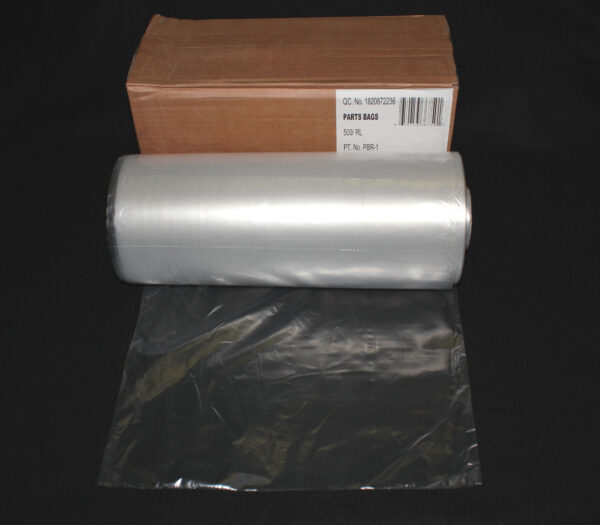
Parts Bags 14×22 — 500-Count Roll from Polishing Systems Inc is the working supply of clear polyethylene protective bags for that purpose. Five hundred bags on a roll keeps a busy shop supplied through weeks of production without restocking interruption.
What These Parts Bags Are
These are 14-inch by 22-inch clear polyethylene (PE) bags supplied on a 500-count roll. The clear construction allows visual inspection of the protected component without removing the bag. The 14×22 size covers the majority of common vehicle parts requiring protection during body, paint, and detailing operations — exterior mirrors, door handles, antennas, audio equipment, soft-top components, and similar items.
Key Features and Why They Matter
- 14×22 inch working size — large enough to cover full side mirrors on most passenger vehicles, exterior door handles, antennas, and small engine components. Versatile size for the most common part-protection tasks in a body or detail shop environment.
- Clear polyethylene construction — see through the bag to verify the part is correctly positioned and secured without removing the protection. Means fewer errors and faster installation.
- 500-count roll format — substantial working supply that eliminates constant restocking in a high-use shop. One roll per station keeps the supply convenient without crowding the workspace.
- Lightweight, disposable — low per-unit cost means no hesitation using a fresh bag per part per job. Clean protection every time without reusing contaminated bags that transfer paint residue.
- Quick to apply and remove — faster than taping individual parts separately, especially on mirror assemblies and parts with irregular shapes.
What These Bags Are NOT For
These are light-duty protective bags, not heavy masking. For areas requiring full, paint-tight masking with precise edges, masking tape and paper are the appropriate materials. Parts bags are not a substitute for proper masking tape at painted panel edges and jamb areas. Not for permanent storage or for parts exposed to solvents that dissolve polyethylene.
Who Uses Parts Bags
Body shops protecting exterior components during painting and refinishing operations. Detail shops covering mirrors and handles during engine bay cleaning or pressure washing. Ceramic coating shops bagging trim and emblem areas during panel prep. Service departments protecting components during engine work or undercarriage operations. Any shop where protecting specific parts quickly and affordably during a work process is a daily requirement.
How to Use Parts Bags
- Identify parts to protect: Before painting, coating, or chemical application, identify all components that must be protected — mirrors, handles, antennas, emblems.
- Bag each part: Slip the bag over the component. Fold or secure the open end against the vehicle with tape if necessary to prevent the bag from lifting during work.
- Work the vehicle: Proceed with the painting, coating, or cleaning process. The bags protect covered components from overspray and chemical contact.
- Remove and dispose: Remove bags promptly after work is complete. Dispose of used bags — do not reuse bags that have overspray or chemical residue.
Why Buy 500-Count vs. Small Packs
Body and detail shops use parts bags in volume — every vehicle that goes through paint or coating work needs several bags applied. Buying in 500-count roll format reduces per-bag cost and eliminates the purchasing friction of constantly reordering small packs. Polishing Systems Inc carries shop supplies in the working volumes that professional operations actually consume, not the small retail quantities sold at hardware stores.
Frequently Asked Questions
What types of parts are most commonly protected with these bags?
Door mirrors, exterior door handles, antenna masts, trunk and door emblems, fuel door trims, and any component on the vehicle exterior that extends beyond the panel surface are the most common applications. In a body shop environment, parts that cannot be taped easily or quickly due to irregular shape are the primary use case.
Can these bags be used during wet painting or spray coating?
Yes — the polyethylene construction resists water-based and solvent-based overspray at the light levels encountered in automotive painting when the bag is correctly positioned. For heavy overspray environments or applications where an absolute paint seal is required, reinforce the bag perimeter with masking tape.
Are these bags static-free or static-generating?
Standard polyethylene bags can generate and hold static charge, which may attract overspray particles. In environments where static is a concern during painting, use a static-control bag or ground the vehicle before coating work. For most standard body shop applications, static from the bag is not a significant issue.
What other masking and protection products do you carry?
Polishing Systems Inc carries masking tape, masking paper, and related body shop protection supplies. Browse the shop supplies category or contact our team for help building a complete masking and part-protection supply list for your operation.
Can these be used to protect parts during chemical stripping or solvent work?
Standard polyethylene bags resist water-based chemicals well. For aggressive solvent exposure, check that the solvent does not dissolve or degrade polyethylene before using as protection. Strong ketone solvents and aromatic hydrocarbons can attack PE — use a solvent-resistant bag or alternative protection method for those applications.