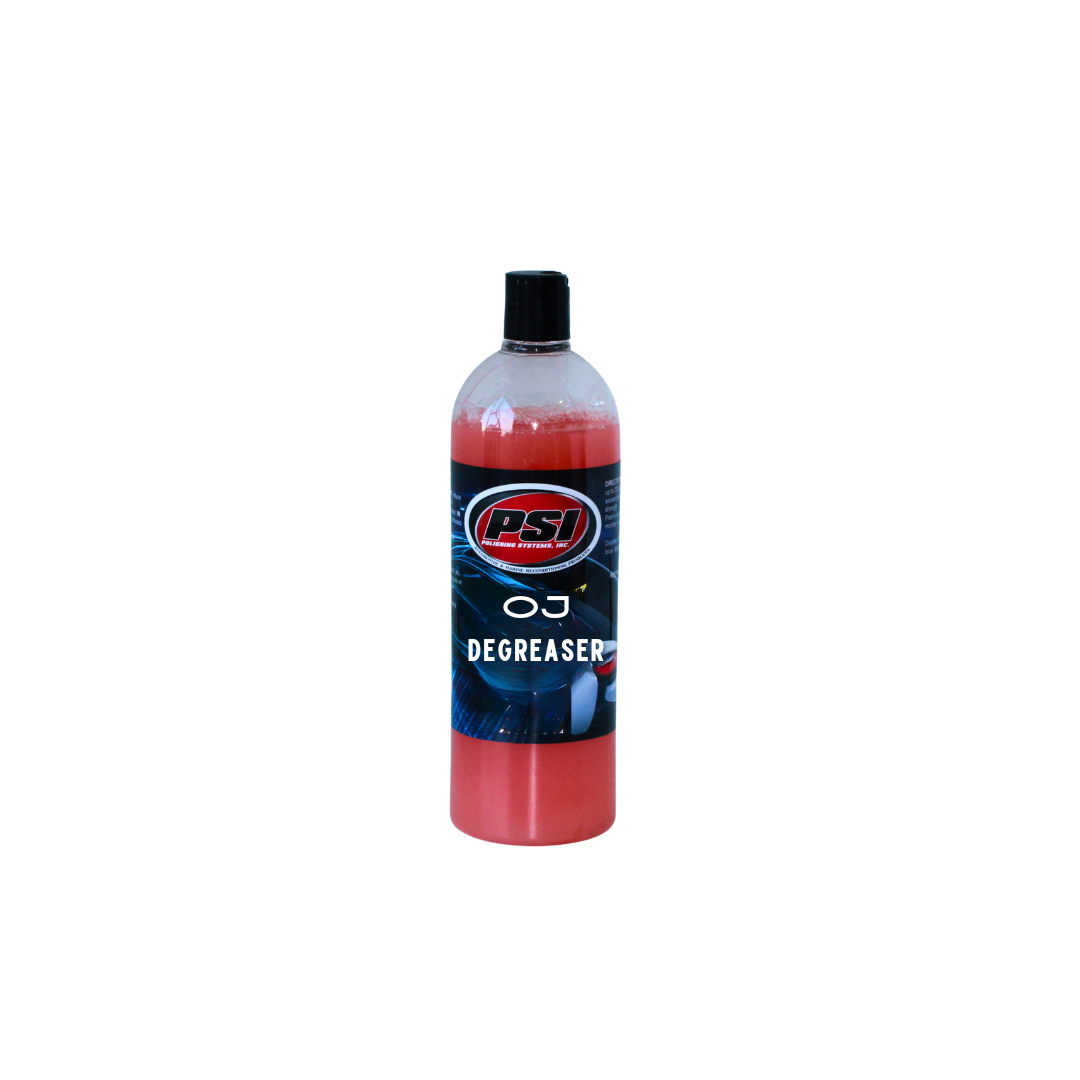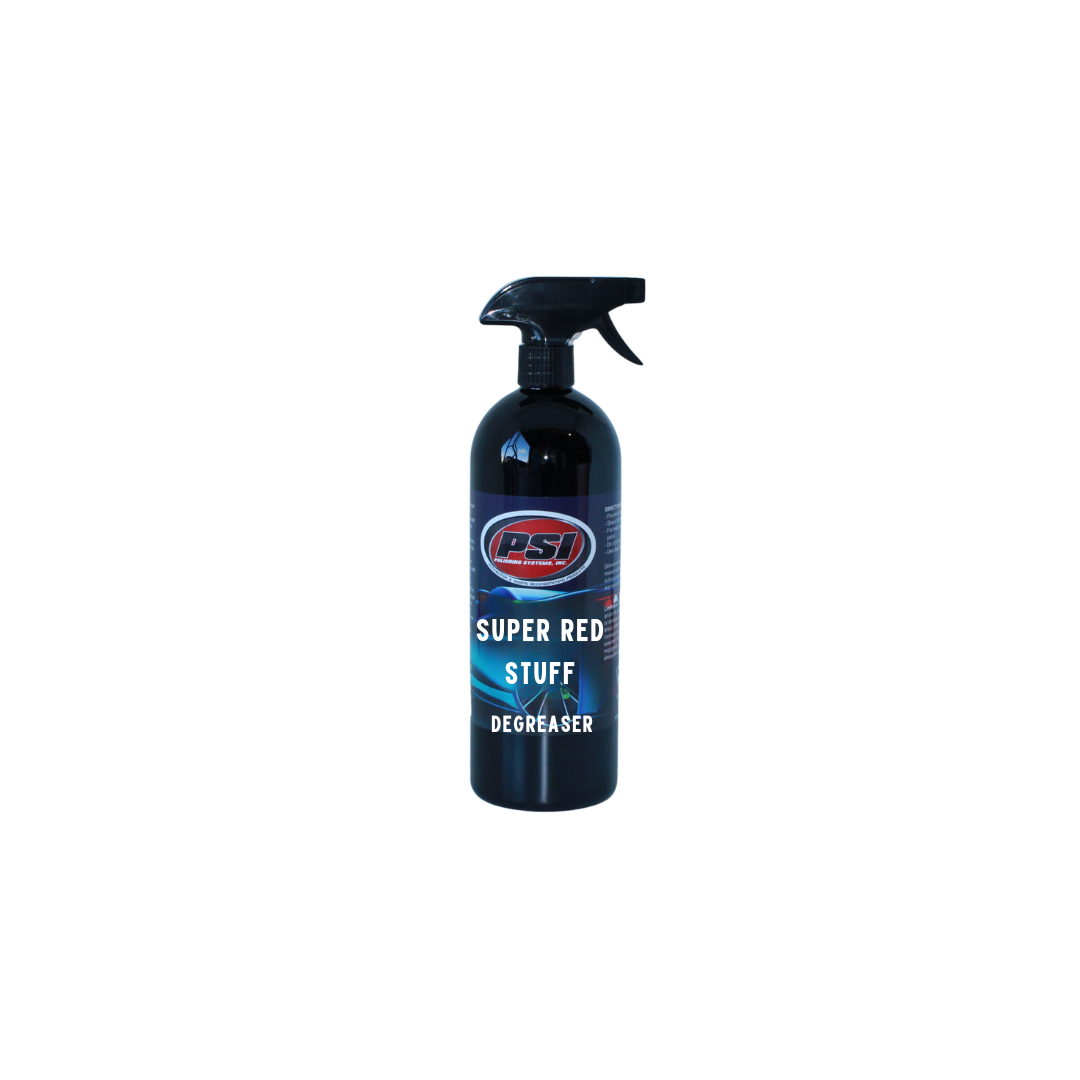
Grease and petroleum contamination are not problems that pH-neutral car wash soap addresses. Engine bay buildup, differential grease, road tar combined with road film, and the heavy deposits that accumulate in wheel wells on fleet vehicles require an alkaline chemistry that attacks the oil-based matrix and allows it to rinse away. Using the wrong product — an APC designed for fabric or a neutral soap — means scrubbing harder and longer for a result that a purpose-built degreaser would deliver in a fraction of the time.
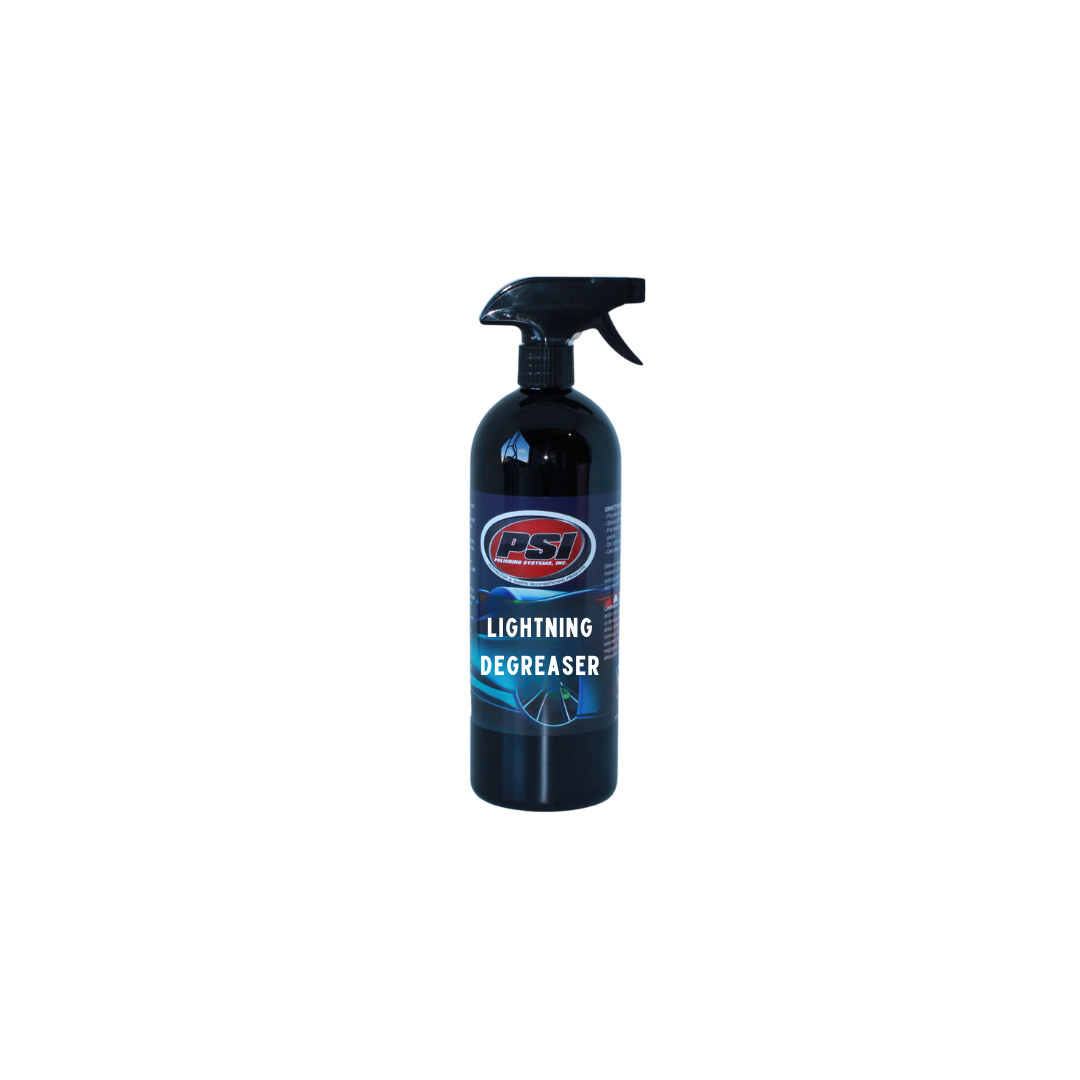
Lightning Degreaser 16 oz is the direct-spray, concentrated degreasing solution for those jobs. The high-alkalinity formula is designed for rapid dwell-and-rinse application — spray on, let it penetrate briefly, and rinse off with the emulsified contamination. The 16 oz spray bottle puts it in your hand for targeted application on engine bays, undercarriages, wheel wells, and specific exterior panels without overspray waste.
What This Product Is
Lightning Degreaser is a water-based, high-alkalinity degreaser supplied ready-to-use in a 16 oz trigger sprayer. It is formulated to emulsify petroleum oils, grease, fuel residues, and road film. It is not a surface-safe APC — the alkalinity makes it appropriate for hard surfaces like metal, engine components, and concrete, but it requires care on painted surfaces and should not be used on unprotected aluminum without testing.
Key Features and Why They Matter
- High-alkalinity formula — cuts petroleum-based contamination other cleaners leave behind. So what? Shorter dwell times mean faster turnaround on engine bay work and wheel well cleaning.
- Ready-to-use spray application — no dilution required for standard use. Point, spray, dwell, rinse. Reduces handling steps on time-sensitive jobs.
- Broad surface compatibility on hard surfaces — works on metal, concrete floors, engine components, rubber hoses, and wheel well liners. One product for the full underhood detail.
- Rapid emulsification — petroleum soils break down into a rinseable suspension within 30-60 seconds of contact, making rinse-off efficient with a pressure washer or garden hose.
- 16 oz trigger sprayer — precise application control. Use the spray directly on target areas without wasting product on surrounding clean surfaces.
What This Is NOT For
Do not apply Lightning Degreaser to painted exterior panels at full strength — the high alkalinity can strip wax, sealant, and may dull clear coat on prolonged contact. Avoid use on uncoated polished aluminum (wheels, trim) — test first, as high-pH chemistry can etch aluminum surfaces. Not for use on leather, vinyl, or plastic interior surfaces. Always rinse thoroughly and avoid contact with eyes — chemical-resistant gloves and eye protection required.
Who Uses This
Engine bay detailers, mobile wash operators handling fleet vehicles, body shop prep technicians, and detailers doing full underhood cleaning use this product format. The 16 oz size is practical for detailers doing one engine bay detail at a time, or for shops that keep the spray bottle at the workbench for targeted degreasing between larger jobs. For high-volume engine degreasing, see our bulk degreaser options in 5 and 15-gallon sizes.
How to Use
- Prep: Cool the engine down — do not spray degreaser on a hot engine block. Protect electrical connectors with plastic bags if doing a full engine bay wash.
- Pre-rinse: Rinse the area with water to remove loose debris.
- Apply: Spray Lightning Degreaser directly onto greasy surfaces — engine block, valve covers, wheel wells, suspension components.
- Dwell: Allow 30-60 seconds for the formula to penetrate and emulsify contamination. Do not allow to dry.
- Agitate (if needed): Use a stiff-bristle engine brush on heavy deposits.
- Rinse thoroughly with pressure washer or strong garden hose spray. Repeat if needed.
Why Buy vs. Hardware-Store Degreasers
Retail degreasers are typically diluted to consumer-safe concentrations that require extended dwell time or heavy scrubbing on real shop soiling. Lightning Degreaser is professional strength — formulated for the grease loads that fleet operators and production detailers encounter, not for occasional home use. The trigger spray format is also more practical for targeted professional application than pouring from a jug.
Frequently Asked Questions
Can I dilute Lightning Degreaser for lighter cleaning jobs?
Yes — the formula can be diluted with water for lighter-duty degreasing tasks or for use on surfaces where full-strength alkalinity is too aggressive. For general surface cleaning with a lower risk profile, dilute 2:1 to 4:1 with water. Use full strength for engine bays and heavily contaminated wheel wells.
Will this damage rubber hoses or gaskets in the engine bay?
Short contact time at standard use is generally safe on rubber components. Extended soaking or repeated full-strength application on degraded rubber may accelerate deterioration. Rinse thoroughly and avoid extended dwell on rubber gaskets, silicone hoses, and engine seals.
Is this safe on alloy wheels?
Lightning Degreaser at full strength is aggressive enough to affect the finish on some coated alloy wheels, particularly bare polished aluminum. For wheel cleaning, use a wheel-specific product rated for the wheel finish. This product is better suited to wheel wells, suspension, and underbody components than wheel faces.
How does this compare to a citrus APC?
Citrus APCs (like Citra Clean) use d-limonene and work well on light grease and organic soiling at moderate dilutions. Lightning Degreaser is stronger — suited for heavy petroleum contamination, engine grease, and thick road film that a citrus APC would require multiple applications to address. Use the right tool: citrus APC for interior and light exterior cleaning, Lightning Degreaser for underhood and heavy shop use.
Can this be used on a concrete garage floor?
Yes — high-alkalinity degreasers like this are a standard choice for concrete floor degreasing before epoxy coating or general shop floor cleaning. Apply, scrub with a stiff floor brush, and rinse with pressure water or wet-vacuum.