
Cleaning engine parts and chassis components is not the same work as washing a vehicle panel. The surfaces are irregular, the soiling is heavy — carbon deposits, baked grease, dried coolant, brake dust — and the cleaning chemistry is often aggressive. A soft bristle brush or a wash brush runs out of aggressiveness quickly on these surfaces; you need bristles stiff enough to work the chemical into the grime and break the bond mechanically.
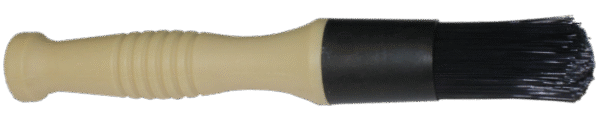
Heavy Duty Parts Brush 10″ from Polishing Systems Inc is built for this work. The stiff bristle construction and 10-inch bristle section are calibrated for the surface area and irregularity of engine parts and chassis hardware, and the chemical-resistant handle holds up to the degreasers, brake cleaners, and solvents that this type of cleaning requires.
What This Brush Is
This is a 10-inch, stiff-bristle parts cleaning brush with a chemical-resistant handle. It is designed for manual cleaning of engine parts, machined metal components, wheel hardware, chassis brackets, and shop tools in parts cleaning tanks, wash cabinets, or by direct degreaser application. The 10-inch bristle section provides broad coverage for large flat surfaces like valve covers and intake manifolds while still having enough body to work into irregular contours, bolt holes, and ribbed surfaces.
Key Features and Why They Matter
- Stiff bristle construction — aggressive enough to break grease, carbon, and brake dust loose from irregular metal surfaces under mechanical agitation. Means chemical degreasers work faster when paired with this brush because you are physically disrupting the bond between the soil and the surface.
- 10-inch bristle section — broad enough to cover valve cover faces, brake caliper brackets, and large engine block surfaces in fewer strokes. Means faster cleaning coverage on large parts without the need for multiple narrow-brush passes.
- Chemical-resistant handle — withstands exposure to petroleum-based degreasers, brake wash, solvents, and alkaline cleaners without degrading or becoming slippery. Means the brush stays functional in the chemistry your shop actually uses for parts cleaning.
- Long handle for reach — the handle length keeps hands at a safe distance from parts cleaning tanks and chemical sprays during scrubbing.
What This Brush Is NOT For
This is a parts-cleaning brush. It is not appropriate for painted body surfaces, clear-coated paint, polished aluminum, or chrome — the stiff bristles will scratch these surfaces. Do not use in wheel-face cleaning where the bristle stiffness can mar the finish. This brush is for raw metal, cast iron, steel hardware, and painted surfaces that are being stripped or prepared — not for finished surfaces that need to remain in their current condition.
Who Uses This
Body shop technicians, engine rebuilders, mobile mechanics, and fleet maintenance departments use this brush as their standard parts cleaning tool for engine components, braking hardware, chassis brackets, and shop equipment. Detail shops doing engine bay detailing use it for scrubbing valve covers, intake manifolds, and plastic engine covers with degreaser. Marine mechanics use it for cleaning outboard components, prop shaft hardware, and seacock fittings during maintenance.
How to Use
- Apply degreaser: Apply your degreaser — petroleum-based, alkaline, or water-based — to the part and allow the recommended dwell time to penetrate the soiling.
- Scrub aggressively: Work the brush across the part surface using firm, overlapping strokes. Apply pressure to work the bristles into the irregular surface contours, bolt channels, and ribbed sections.
- Rinse: Rinse the part with clean water or solvent rinse, depending on the degreaser type, to remove loosened soiling and degreaser residue.
- Repeat if needed: For heavily baked-on carbon or grease, repeat the application and scrub cycle. A second degreaser pass after the first rinse usually removes significantly more stubborn material.
- Inspect: Inspect the part under good lighting after cleaning to confirm complete removal before assembly or finishing.
Why a Dedicated Parts Brush vs. a General Purpose Brush
General-purpose brushes are not built for the chemical exposure or the sustained scrubbing force that parts cleaning requires. A brush with a non-chemical-resistant handle degrades quickly in solvent chemistry, becoming slippery and eventually breaking down structurally. Professional cleaning brushes from Polishing Systems Inc are matched to the chemistry and use conditions of auto, marine, and fleet maintenance work. For lighter engine bay appearance detailing (not mechanical parts cleaning), see our degreaser selection for appropriate chemistry pairing.
Frequently Asked Questions
What degreaser works best with this brush?
Any professional degreaser — petroleum solvent, alkaline, or water-based — pairs well with this brush depending on the soil type. For heavy grease and oil, a petroleum-based degreaser or high-concentration alkaline degreaser provides the fastest results. For engine bay appearance cleaning, a diluted all-purpose cleaner at 4:1 handles most soiling with this brush for the mechanical agitation.
Can this brush fit into a parts cleaning tank?
Yes — the 10-inch bristle section and handle dimensions are appropriate for immersion-style parts cleaning tanks. Confirm tank dimensions before use to ensure the brush can be maneuvered inside the tank effectively.
Is this brush safe for aluminum engine parts?
The bristle stiffness is appropriate for raw aluminum engine parts that are being cleaned, not polished. It will not damage the structural integrity of aluminum but will leave minor surface marks on polished aluminum. For polished or anodized aluminum parts, use a softer bristle brush and avoid abrasive contact.
How do I clean the brush after use?
Rinse the brush thoroughly with clean water or solvent rinse after use. For petroleum-based degreaser residue, a brief rinse with mineral spirits followed by clean water rinse is effective. Allow the brush to dry before storing.
How long will the bristles last?
Bristle life depends on the aggressiveness of use and chemistry exposure. Regular rinsing and proper storage extend bristle integrity. Replace the brush when bristles are severely bent, missing sections, or have lost significant stiffness that reduces cleaning effectiveness.