Total-release aerosol bombs fill a cabin with deodorizing chemistry — but they release from one point in the cabin, and the density of coverage depends on how the product disperses through a static air space. A fogging system is a step beyond: the active fogging mechanism turns the formula into a fine mist that penetrates the entire interior air volume more uniformly, reaching into HVAC ducts, behind headliner panels, under seats, and into carpet pile more thoroughly than aerosol spray alone.
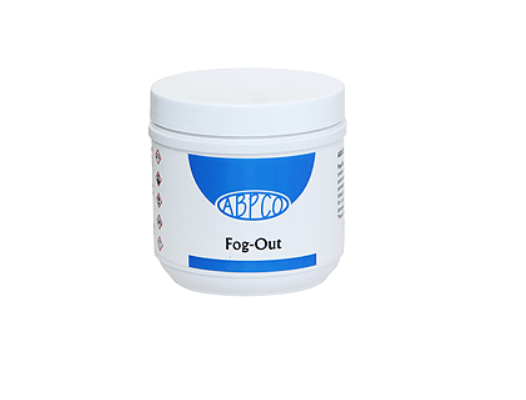
The Fog Out Odor Eliminator System from Polishing Systems Inc is the professional interior decontamination solution for odor problems that aerosol bombs have not fully resolved, or for shops that want the thoroughness of a fogging approach as the standard for severe interior odor jobs. The system includes the fogging mechanism and the odor-eliminating chemistry — a complete tool for detail shops running interior decon as a regular service.
What This Product Is
Fog Out Odor Eliminator System is a fogging-based cabin deodorizer that uses an active mechanical fogger to disperse odor-neutralizing formula as a fine mist throughout the enclosed interior air space. The fogging delivery produces finer, more uniformly distributed particles than aerosol bomb spray — improving penetration into HVAC ductwork, upholstery fiber, carpet backing, and areas behind panels that aerosol product does not reach as effectively. The system is supplied as a complete kit: fogger mechanism and chemical formula included.
Key Features and Why They Matter
- Active fogging mechanism — converts formula to a fine mist for more uniform cabin penetration than aerosol release. Means more consistent odor-neutralizing coverage throughout the entire interior air space, including hard-to-reach areas.
- HVAC system penetration — fogged particles are drawn into the recirculating air system more effectively than aerosol, treating duct surfaces and the cabin air supply system. Means air-system-embedded odors are more thoroughly addressed than with surface-only treatments.
- Odor-neutralizing chemistry — targets and eliminates odor-causing compounds rather than masking with fragrance alone. Means genuine odor elimination rather than temporary scent-over-scent coverage.
- Complete system — fogger mechanism and chemical formula supplied together. Means no separate equipment sourcing — ready to use as a complete odor elimination tool.
- Effective on full odor range — cigarette smoke, pet odors, mildew, food, biological contamination, and general cabin mustiness. Means one system handles the full range of interior odor cases a detail shop encounters.
What This Is NOT For
Do not operate the fogger with people or animals present in the vehicle. Ventilate the cabin fully — minimum 20–30 minutes — after fogging before re-entry. Fog Out is a deodorization system, not a disinfectant — it is not a EPA-registered disinfectant or antimicrobial. For active mold, biological contamination requiring antimicrobial treatment, follow with a dedicated antimicrobial product after Fog Out treatment. Not for exterior use.
Who Uses This Product
Auto detail shops offering professional interior odor elimination for severe cases where aerosol bombs have not fully resolved the problem. Mobile detailers with the equipment investment to provide fogging-level decon as a premium service tier. Used car dealers and reconditioning centers with heavy odor inventory. Fleet operators managing vehicles with persistent cabin odors. Marine detailers treating enclosed boat cabins with severe mildew or fish odors.
How to Use
- Clean the interior thoroughly first — vacuum, surface clean, and treat any organic stains with enzymatic cleaner. Fogging odor elimination is most effective on a physically clean interior.
- Start the vehicle, set AC to recirculate, then turn off the engine.
- Set up the fogger mechanism per the included instructions. Load the chemical formula into the fogger as directed.
- Activate the fogger in the cabin interior. Exit the vehicle and seal all doors and windows.
- Allow the full treatment dwell time per instructions (typically 10–20 minutes depending on cabin volume).
- Ventilate thoroughly — open all doors and run the blower fan for at least 20–30 minutes before re-entry or returning the vehicle to the customer. For complementary interior cleaning products, see the interior decontamination lineup.
Why Use a Fogger vs. an Aerosol Odor Bomb
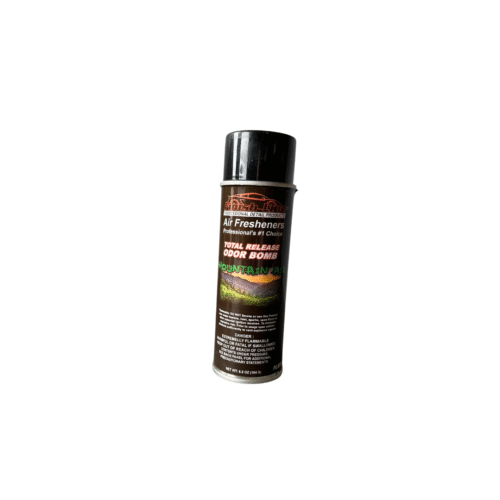
Aerosol bombs release product in a spray pattern from a single point, relying on ambient air currents to distribute it through the cabin. Active fogging produces a finer mist particle size that disperses more evenly and penetrates deeper into porous surfaces before settling. For routine maintenance odor jobs, an aerosol bomb from the Finish Line Odor Bomb lineup is the practical and economical choice. For severe odor cases — heavy smoke saturation, deep pet odor, long-term mildew — the Fog Out system’s more thorough penetration delivers better results. Shops that offer both approaches can deploy the bomb for standard cases and the fogger for worst-case situations.
Frequently Asked Questions
How is a fogging system different from a standard aerosol odor bomb?
An aerosol bomb releases product via aerosol propellant in a spray-diffusion pattern from a single can. A fogging system uses an active mechanical mechanism (heating or ultrasonic fogging) to convert formula into extremely fine particles that disperse more uniformly and penetrate porous surfaces more effectively. The fogging approach is more thorough but requires more setup and equipment investment compared to the drop-and-leave aerosol format.
Do I need to disassemble the fogger after each use?
Follow the manufacturer’s maintenance instructions for the fogging mechanism. Most fogging systems benefit from a brief flush with clean water or a diluted rinse solution after each use to prevent formula residue from drying in the fog head. Proper maintenance after each use significantly extends the fogger mechanism’s service life.
Is one Fog Out treatment enough for heavy smoke odor?
For very heavy cigarette smoke saturation that has permeated headliner, ductwork, and upholstery foam over years, a single fogging treatment may not fully resolve the odor. A pre-treatment cleaning session followed by a Fog Out treatment, with a second treatment after the interior dries, often completes the job on severe smoke cases. Setting correct customer expectations for severe odor jobs before service is important.
Is the Fog Out chemistry biodegradable?
The odor-eliminating chemistry used in the Fog Out system is formulated for automotive interior use and dissipates from surfaces after treatment and ventilation. Refer to the product safety data sheet for specific biodegradability and disposal information.
Can I use Fog Out in an RV or boat cabin?
Yes — enclosed RV living areas and boat cabins are effective applications for the Fog Out system. Larger interior volumes may require longer treatment times or multiple fogging passes to achieve uniform coverage. Ventilate RV and boat interiors thoroughly after treatment — these enclosed spaces may take longer to fully air out than standard vehicle cabins.