
Glass is the surface that customers judge a detail job by first. They sit down behind the wheel, look through the windshield, and the first thing they see tells them whether the work was thorough. A streaky, hazy windshield undoes an otherwise excellent detail. Glass cleaning sounds simple, but the wrong product — especially one with ammonia — creates more problems than it solves: it degrades tint adhesive, attacks rubber seals, and often leaves the kind of ghosting haze that requires multiple passes to remove.
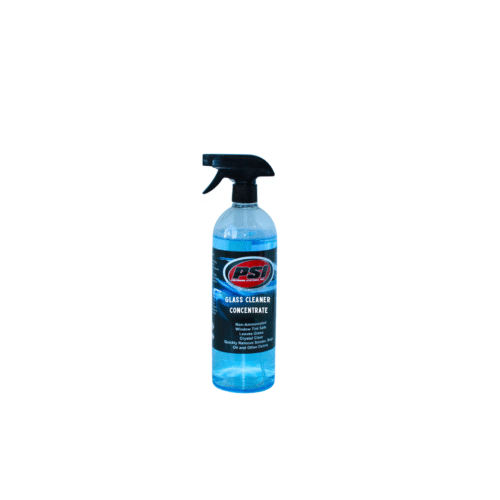
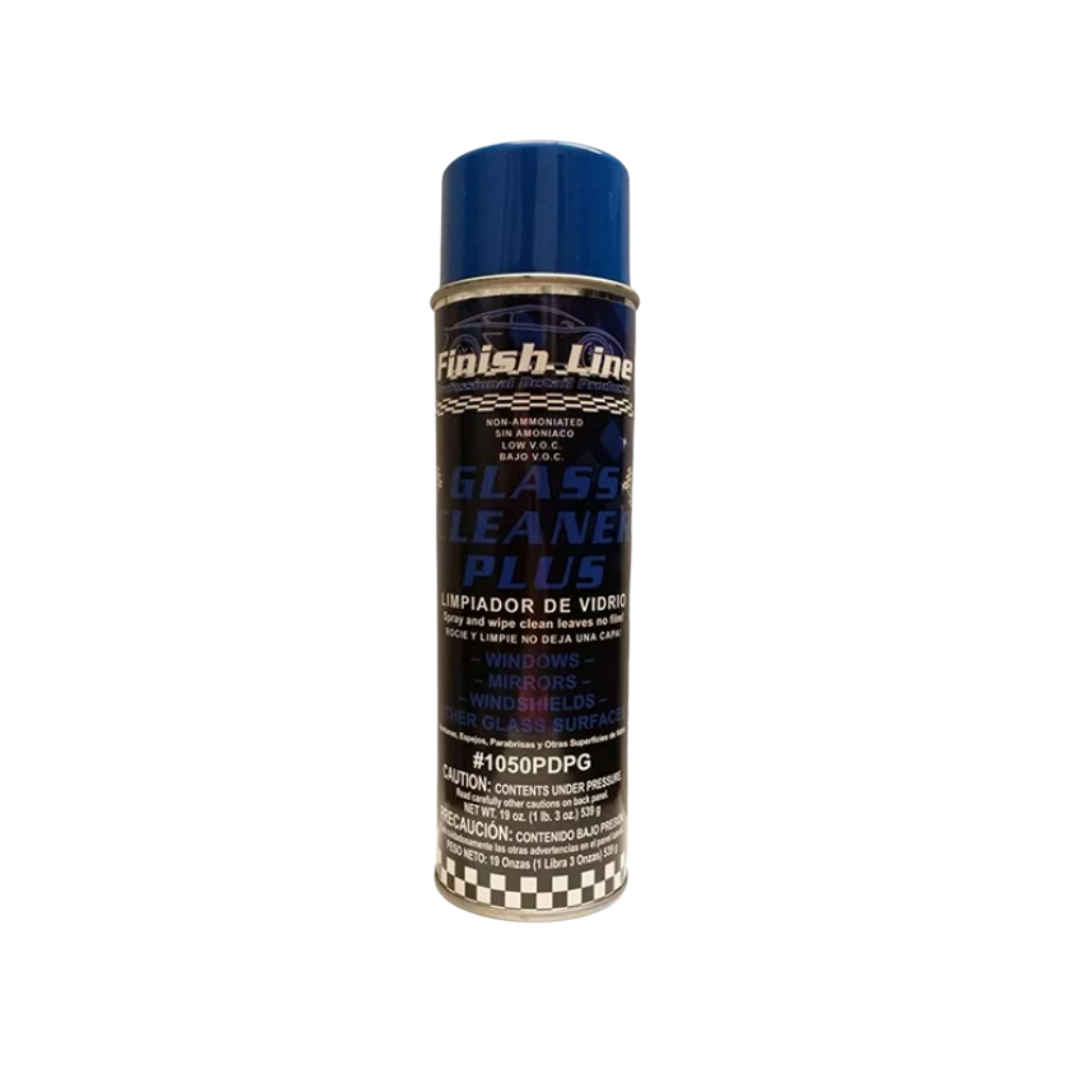
Finish Line Glass Cleaner solves this without the compromise. The non-ammonia formula delivers streak-free clarity on first contact, handles the salt spray and road film that auto and marine glass accumulates, and is safe for tinted windows and rubber-framed glass surfaces. The single-bottle format is appropriate for individual vehicle use, mobile detail kit loadouts, and spot glass service between full details.
What Finish Line Glass Cleaner Is
Finish Line Glass Cleaner is a ready-to-use, non-ammonia glass cleaning spray from the Finish Line product line. It is formulated for automotive and marine glass — windshields, interior windows, mirrors, and portlights — and delivers streak-free results in a single wipe on normal glass contamination. It requires no dilution and no mixing.
Key Features and Why They Matter
- Non-ammonia formula — no ammonia that can degrade window tint, attack rubber seals, or leave chemical residue on treated glass. So what? Safe to use on tinted glass and around rubber-gasketed window frames without risk of long-term damage.
- Streak-free performance — fast-drying formula designed to clear cleanly without leaving residue. So what? One pass produces clear, inspection-ready glass without the follow-up rework that lesser glass cleaners require.
- Salt spray and road film effective — handles the specific contamination types that automotive and marine glass accumulates. So what? Real cleaning performance on real-world glass contamination, not just light fingerprints.
- Automotive and marine application — safe for vehicle windshields and marine portlights and windscreens. So what? One product in the kit handles all glass surfaces across auto and marine details.
What This Is NOT For
Finish Line Glass Cleaner is a surface cleaner — it will not remove hard water mineral deposits, heavy oxidation, or bonded contamination from glass. For mineral deposit removal, a dedicated glass polish or clay bar treatment is required first. Do not apply to hot glass in direct sunlight. Not for use on non-glass optical surfaces like plastic Lexan or polycarbonate windscreens without testing — some plastics are sensitive to glass cleaner solvents.
Who Uses This
Auto detailers performing glass cleaning as part of a full-service detail. Mobile detailers who need a reliable glass cleaner that produces consistent results on any glass surface they encounter. Marine detailers working on vessel windscreens and portlights. Individual car and boat owners maintaining clean glass between detail appointments.
How to Use
- Ensure the glass surface is cool and out of direct sun before cleaning.
- Spray Finish Line Glass Cleaner directly onto the glass surface, or onto a clean microfiber glass towel.
- Wipe in overlapping passes using a clean, lint-free microfiber glass towel.
- Follow immediately with a dry second towel to buff clear and prevent water marks from the solution itself.
- For interior glass, fold the microfiber to a clean section frequently to avoid redistributing removed contamination.
Why Choose a Professional Glass Cleaner vs. Household Window Spray
Household window cleaners typically contain ammonia and are designed for indoor glass — not for the automotive environment where tint, rubber seals, and painted trim are in close contact with the glass. Ammonia-based products accelerate tint delamination over repeated use. Finish Line Glass Cleaner is formulated specifically for the automotive glass environment. For volume glass cleaning operations, consider the Finish Line Glass Cleaner 12-Count Case for per-bottle cost savings.
Frequently Asked Questions
Is this safe for tinted windows?
Yes — Finish Line Glass Cleaner is non-ammonia and safe for factory and aftermarket window tint. Ammonia-based glass cleaners are a primary cause of tint adhesive degradation over time, so using a non-ammonia formula on tinted glass is important for long-term tint condition.
Can it be used on a boat windshield?
Yes — Finish Line Glass Cleaner works on marine glass including vessel windscreens, portlights, and helm windows. For saltwater-exposed glass, the formula handles salt residue effectively. Rinse with fresh water first to remove loose salt accumulation before applying glass cleaner.
What microfiber should I use with glass cleaner?
Use a dedicated glass microfiber towel — flat-weave, low-pile microfiber. Avoid waffle-weave or high-pile microfibers on glass, as they are better suited for paint drying and may leave lint on glass surfaces.
How does this compare to the 12-count case version?
The single bottle and the 12-count case contain the same formula. The case is the right choice for shops doing daily glass work on multiple vehicles; the single bottle suits individual vehicle owners and mobile detailers who prefer smaller kit inventories.
Can I use this on exterior mirrors?
Yes — exterior mirrors are an ideal application. Clean the mirror glass with Finish Line Glass Cleaner and avoid spraying product directly onto the mirror housing or surrounding painted trim. Apply to the towel first rather than spraying the mirror directly to prevent overspray onto painted surfaces.