
Using the wrong brush with aggressive chemical is a quick way to end up with bristles falling out, melting into the surface you are cleaning, or contaminating the next job with degraded material. An acid-based aluminum brightener or strong degreaser will destroy nylon brushes not rated for chemical exposure — and putting a destroyed brush into a wheel barrel means depositing bristle fragments in the finish. The solution is a brush built from the start for chemical contact.
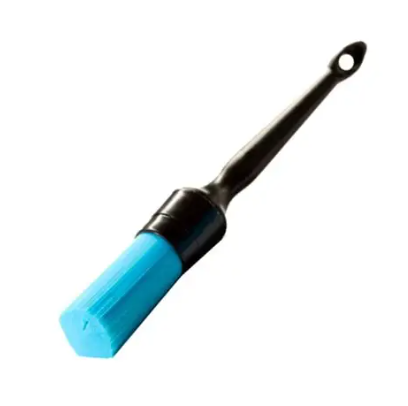
The Chemical Resistant Brush from Polishing Systems Inc is built with polypropylene or chemically inert synthetic bristles that maintain their structure and stiffness when exposed to the full range of detailing chemicals — acid wheel cleaners, aluminum brighteners, strong alkaline degreasers, and enzyme-based cleaners alike. It is the brush that stays in service when everything else fails.
What This Brush Is
This is a compact, stiff-bristle scrub brush with chemically resistant synthetic bristles and a chemical-resistant handle and ferrule. It is designed for agitation work with aggressive detailing chemistries — wheel barrels, tire sidewalls, engine bay surfaces, frame rails, and similar areas where you are applying strong chemistry and need to scrub it in without destroying the brush in the process.
Key Features and Why They Matter
- Chemical-resistant polypropylene bristles — maintain stiffness and structure in acid, alkaline, and solvent environments. No melting, no brittleness, no bristle fallout that could contaminate a finished surface.
- Chemical-resistant handle and ferrule — the full brush assembly is rated for chemical contact, not just the bristle tips. Prolonged immersion in chemical solutions does not degrade the assembly.
- Stiff bristle density — provides meaningful agitation on contaminated wheel barrels, encrusted engine components, and textured surfaces that soft brushes glide over without effect.
- Compact format — fits into wheel barrels, around suspension components, and into tight engine bay areas that larger brushes cannot reach.
What This Brush Is NOT For
The stiff chemical-resistant bristles are not appropriate for painted, clearcoated, or polished aluminum surfaces — the bristle stiffness will scratch them. Use on unpainted metal, wheel barrels with bare or anodized finishes, rubber tire sidewalls, and engine components where scratch resistance is not a concern. For painted wheel faces, use a soft-bristle detailing brush.
Who Uses This
Truck-and-trailer detailers working with aluminum brighteners on diamond plate and bare aluminum surfaces. Engine detailers agitating strong degreasers in wheel wells and engine bays. Fleet wash operators cleaning wheel barrels with iron remover and wheel acid. Marine detailers applying chemical to hull waterlines and aluminum fittings.
How to Use
- Apply your chemical (wheel cleaner, aluminum brightener, degreaser) to the surface.
- Use the Chemical Resistant Brush to agitate the chemical into the contaminated area, working in circular or back-and-forth passes.
- Allow the chemical appropriate dwell time per product instructions.
- Rinse thoroughly with high-pressure water.
- Rinse the brush after each use — do not allow aggressive chemicals to dry on the brush assembly.
Why Buy a Chemical Resistant Brush vs. a Standard Scrub Brush
Standard nylon scrub brushes are not rated for acid or strong alkaline chemistry — the bristles degrade rapidly, and the ferrule and handle may also react. For one-time or occasional use this may be acceptable, but for a professional shop applying aggressive chemistry daily, a purpose-built chemical resistant brush maintains its performance indefinitely. See the full exterior detailing tools category for compatible brushes and accessories.
Frequently Asked Questions
Can I use this brush with hydrofluoric acid-based wheel cleaners?
For HF-based products (strong aluminum brighteners), always verify specific chemical compatibility with the brush materials. Polypropylene has good resistance to many acids but should be confirmed against the specific chemical concentration. Contact us if you are working with particularly aggressive formulations.
Can I use this on painted wheel faces?
No — the stiff bristles are appropriate for bare metal, rubber, and unfinished surfaces, not for painted or polished finishes. Use a soft detailing brush on painted wheel faces and trim.
How do I clean the brush after using acid-based chemicals?
Rinse immediately and thoroughly with clean water after every use with acid-based chemicals. If working with very strong acids, a follow-up rinse with baking soda solution (to neutralize residual acid) before final water rinse is recommended.
Does the handle flex or break under heavy scrubbing pressure?
The brush is built for production scrubbing — the handle is rigid under normal to heavy hand pressure. For extreme-pressure applications (power scrubbing tools), verify that the brush is rated for mechanized use before attachment.