
Anyone who has been mid-PPF installation when their last sharp blade dulls knows how important blade supply management is. A dull blade on film installation drags, tears edges, and creates visible cut lines in the film — or worse, into the clear coat beneath it. Ceramic blades maintain a sharper working edge longer than steel on film and tape cutting tasks, and the ceramic construction eliminates the rust contamination risk that steel blades present in wet shop environments.
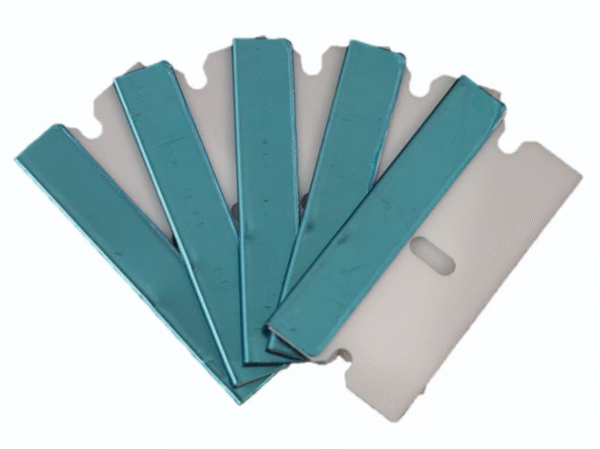
Ceramic Blades 5-Pack from Polishing Systems Inc gives vinyl wrap installers, PPF technicians, and detail shops a working supply of precision blades for film cutting, tape trimming, and precise detail work. The 5-pack format is the practical shop quantity — enough supply on hand to change blades as often as needed without rationing a tool that directly affects cut quality.
What These Blades Are
These are ceramic utility knife blades in a standard interchangeable format. Ceramic blades use zirconium oxide instead of hardened steel to form the cutting edge. The result is a blade that is harder than steel, holds an edge longer on film and tape, and does not corrode in wet or chemical environments. Standard blade holder/box cutter compatibility.
Key Features and Why They Matter
- Ceramic construction — harder than steel, maintains a sharper edge longer on film and tape cutting tasks. Fewer blade changes per install means better consistency in cut quality.
- No rust or corrosion — ceramic is chemically inert. Blades stored in wet or chemical-exposure shop environments do not rust or degrade the way steel blades do.
- No metallic contamination risk — steel blades can leave micro-particles on paint surfaces that cause rust staining. Ceramic blades eliminate this risk near finished automotive paint.
- Standard interchangeable size — fits standard utility knife and box cutter handles already in your shop.
- 5-pack format — sufficient supply for a full working session or several installs.
What These Blades Are NOT For
Ceramic blades are harder but more brittle than steel. They are not appropriate for prying, lateral stress, or cutting thick, rigid materials. Use for precise film and tape cutting only — not for cutting rubber, thick cardboard, rope, or other materials that require blade flex. Drop and impact on hard surfaces can chip the ceramic edge.
Who Uses These
PPF installers, vinyl wrap technicians, window tint installers, and detail shops performing paint protection film overlay, wrap, or trim adhesive work. Any technician cutting film near finished paint who wants to eliminate metallic contamination risk and maintain sharper cuts longer.
How to Use
- Insert a ceramic blade into a compatible utility knife or box cutter handle.
- For film cutting: use a light touch — the sharp edge does the work. Heavy pressure increases risk of chip on hard substrate contact.
- Change blades at the first sign of drag or tearing in the cut line.
- Dispose of used blades in a designated blade disposal container — ceramic edges are sharp even when no longer suitable for precision work.
Why Buy Ceramic vs. Standard Steel Utility Blades
Standard steel blades dull faster on film and are a rust contamination risk near paint. For shops where film cutting is a daily task, the longer edge retention of ceramic blades reduces the frequency of blade changes mid-install — which protects cut quality and reduces the chance of a poor cut at blade changeover. The premium over steel blades is small relative to the value of one avoided re-installation on a PPF or vinyl job.
Frequently Asked Questions
Are these blades compatible with standard utility knife handles?
Yes — these are standard-format ceramic blades compatible with most common utility knife and box cutter handles. If you are using a specialized PPF installation knife, verify blade format compatibility before ordering.
How long does the edge last vs. steel?
On vinyl and film cutting tasks, ceramic edges typically outlast steel by a factor of two to five times. Exact longevity depends on the material being cut, contact surface hardness, and cutting pressure used.
Can I sharpen a ceramic blade?
No — ceramic blades are not resharpened. When the edge becomes dull or chipped, replace with a fresh blade. The 5-pack format keeps fresh blades always available.
Are ceramic blades safe to handle?
They are sharp — handle with the same care as any utility blade. The ceramic material does not create the same metallic splinter risk as a broken steel blade, but a chipped ceramic edge can still cut. Always use blade disposal containers and handle with care.