
Inspection stickers and dealer decals adhere to glass with aggressive pressure-sensitive adhesive that does not simply peel off. Trying to remove them by hand leaves adhesive residue across the glass that then requires solvent cleanup. Using the wrong blade tool — too thick, too blunt, or at the wrong angle — risks scratching the glass or smearing the sticker material into the defrost grid on the interior. A dedicated sticker scraper with the right blade geometry, handle length, and grip angle makes the removal clean and fast without those side effects.
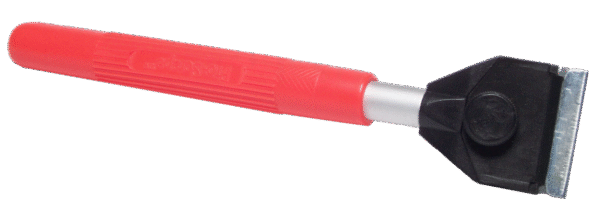
8″ Inspection Sticker Scraper from Polishing Systems Inc is the professional format for this task — an 8-inch handle that provides working leverage and keeps hands at a comfortable distance from the blade, with a replaceable blade system that maintains full sharpness across many removal jobs without needing to replace the entire tool.
What This Tool Is
This is an 8-inch glass scraper tool with a single-edge replaceable blade, designed specifically for removing adhesive stickers, labels, and decals from automotive glass — windshields, door glass, rear windows, and sunroofs. The blade holder maintains the correct angle for glass scraping: flat enough to slip under the sticker adhesive cleanly without gouging the glass surface. The handle length provides the leverage and control needed for effective sticker removal without aggressive force on the glass.
Key Features and Why They Matter
- 8-inch handle length — longer than standard razor blade scrapers, providing better grip leverage and keeping fingers clear of the cutting edge during use. Means more controlled, comfortable sticker removal with less hand fatigue on back-to-back vehicles.
- Replaceable blade system — the blade clamp releases and accepts standard replacement blades. Means a dull blade is replaced in seconds and the handle assembly lasts indefinitely with proper care. Dull blades are the primary cause of glass scratching during sticker removal — fresh, sharp blades cut under adhesive cleanly.
- Correct blade geometry for glass — the blade holder angle is designed for glass scraping, holding the blade at the proper attack angle to slip under adhesive without digging into the glass surface.
- Sturdy blade clamp — the blade clamp holds the blade securely without flex during use, preventing the blade from shifting under pressure and causing uneven contact with the glass.
What This Tool Is NOT For
Razor-blade scrapers are not safe on plastic or polycarbonate glazing — these materials scratch immediately under blade contact. Do not use on plexiglass, polycarbonate side windows, or any non-glass window material. This tool is also not appropriate for painted surfaces — do not use to remove decals or stickers from painted body panels. For painted surface decal removal, use a heat gun and plastic removal tool followed by adhesive remover solvent. Do not use a dull blade — a dull blade requires more pressure and is more likely to catch and scratch the glass.
Who Uses This
Detail shops include sticker and decal removal as part of their standard glass cleaning service — the 8″ scraper is the tool for that task. Auto reconditioning specialists removing multiple dealer decals and stickers from pre-owned vehicles before resale use this tool on every car in their rotation. Car auction prep crews use it for rapid sticker removal during vehicle processing. Mobile detailers handling new-to-them customer vehicles frequently encounter old inspection stickers and dealer stickers that need professional removal. Fleet maintenance departments use it when refreshing vehicle glass as part of periodic reconditioning cycles.
How to Use
- Install a fresh blade: Begin every sticker removal job with a fresh, sharp blade. Dull blades require more force and are more likely to scratch.
- Wet the glass: Apply a small amount of glass cleaner, soapy water, or automotive adhesive remover to the sticker and surrounding glass. The lubrication allows the blade to slide cleanly under the sticker rather than grabbing.
- Angle the blade correctly: Hold the scraper at a 30-45° angle to the glass surface. Too steep an angle causes the blade tip to dig into the glass rather than sliding under the sticker.
- Slide under the sticker edge: Begin at one corner of the sticker and work the blade edge under the adhesive in short, controlled strokes. Work across the sticker progressively.
- Remove adhesive residue: After the sticker label is removed, any remaining adhesive residue can be removed with a plastic-safe adhesive remover or isopropyl alcohol on a microfiber.
- Clean the glass: Finish with a glass cleaner and microfiber for a streak-free result.
Why Buy a Professional Scraper vs. Using a Utility Knife or Fingernails
Utility knife blades are thicker and stiffer than single-edge razor blades used in glass scrapers — the geometry is wrong for glass use and the risk of glass scratching increases substantially. Fingernails and plastic cards do not cut under the adhesive cleanly and leave more residue to clean up afterward. A dedicated glass sticker scraper with the right blade angle and handle geometry makes the job faster and cleaner every time. For interior cleaning brushes and detail tools compatible with glass and trim cleaning workflows, see the full interior detail tools selection at Polishing Systems Inc.
Frequently Asked Questions
Will this scratch my windshield glass?
A sharp, properly-angled blade on clean, lubricated glass does not scratch automotive glass. Scratching occurs when: the blade is dull, the glass is dry (no lubricant), the angle is too steep (blade tip digging in), or there is contamination between the blade and the glass. Always lubricate, always use a fresh sharp blade, always maintain the correct angle.
Where do I buy replacement blades?
This scraper accepts standard single-edge industrial razor blades, available at most hardware and industrial supply sources. Contact us if you need replacement blade packs for this tool specifically.
Can this be used on tinted windows?
Yes — this scraper is used on glass, not on the tint film itself. If the sticker is applied to the tint film on the interior, be extremely careful — tint film scratches very easily. For stickers on tint film, use a heat gun and plastic card rather than a metal blade, and apply adhesive remover to the adhesive residue.
Can I use this for removing water spot mineral deposits from glass?
Yes — glass scrapers are commonly used for removing stubborn water spots, overspray, and mineral scale from glass that resists chemical cleaning. Use with a dedicated glass water spot remover or diluted oxalic acid cleaner as the lubricant for water spot removal. The blade mechanically lifts the mineral deposit from the glass surface.
How do I know when to replace the blade?
Replace the blade when you feel it pulling or dragging rather than sliding cleanly under the adhesive, when it leaves streaks on lubricated glass, or if you notice visible nicks or deformation on the blade edge. A dull blade is the primary risk factor for glass damage during scraping. Blades are inexpensive — replace them frequently.