
Not every paint correction job starts with a medium polish. A vehicle that has sat on a lot for two years, a marine gel coat with embedded oxidation, or a fleet truck with deep rotary swirls from previous work — these jobs require a pad and compound combination that can remove real material from the surface efficiently. Starting with a medium pad on heavily defected paint wastes correction time and wears out pads without making the progress the surface actually needs.
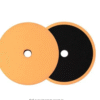
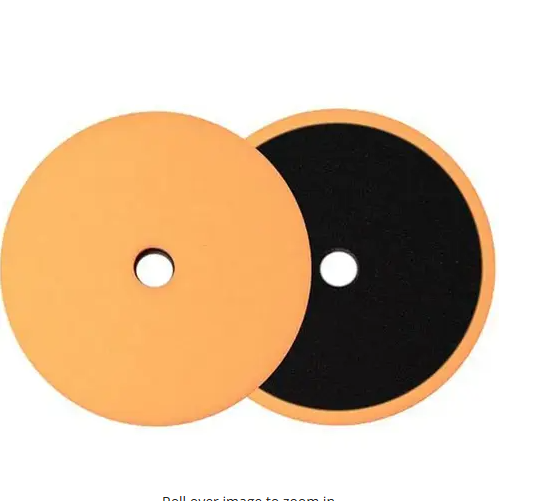
The 6″ Coarse Orange Cutting/Polishing Foam Grip Pad is designed to be that first-stage tool. The coarse, high-density orange foam provides aggressive cutting action when paired with a heavy-cut compound, removing sanding marks, heavy oxidation, and deep swirls in a manageable number of passes on a dual-action or random orbital polisher. The grip mounting system delivers secure pad attachment so energy transfers to the surface rather than being lost to pad slippage.
What This Pad Is
This is a 6-inch coarse-cut orange foam pad with a hook-and-loop grip backing system for dual-action and random orbital polishers. The coarse orange foam formulation sits at the aggressive end of the foam pad spectrum — appropriate for defect removal and heavy oxidation, not for finishing or jeweling steps. It is the cutting pad in a multi-stage workflow, used with a heavy compound to remove surface defects before transitioning to a medium and then finishing pad and polish.
Key Features and Why They Matter
- Coarse orange high-density foam — the aggressive foam hardness and open-cell structure generates the friction and compound distribution needed to cut deep swirls and oxidation efficiently. Means fewer passes per panel compared to a medium-cut pad on the same defect level.
- 6-inch diameter — the production standard size for full-panel correction on a dual-action polisher. Balances coverage area with control, appropriate for doors, hoods, and roofs without the over-reach issues of a larger pad.
- Grip mounting system — the hook-and-loop backing provides consistent pad-to-backing-plate contact without the slippage that reduces cutting efficiency and creates uneven correction patterns.
- Works with heavy-cut compounds — pairs with production-grade cutting compounds for machine application. The foam density and pore structure distributes compound effectively across the working face for consistent cut.
- DA and random orbital compatible — designed for dual-action polisher use. The foam durometer is matched to DA machine dynamics, not rotary-specific use.
What This Pad Is NOT For
This is a cutting pad — it is not designed for finishing, jeweling, or applying light polish or glaze. Do not use with finishing polish or wax; the coarse foam will not produce the final gloss these products are designed to deliver, and you may introduce light pad-texture marks into the surface. This pad is also not compatible with backing plates that do not match the 6-inch grip pattern — verify backing plate diameter and hook-and-loop compatibility before use. Do not use on single-stage enamel paint that cannot tolerate aggressive cutting — test on a hidden area.
Who Uses This Pad
Professional paint correction detailers use the coarse orange foam pad for the initial correction stage on heavily defected vehicles — fleet trucks with deep swirls, marine gel coat with years of oxidation, body shop hand-off vehicles with wet-sand marks. Body shops use it on the sanding-to-polish transition step. Mobile correction detailers add it to their pad lineup for the heavy-defect vehicles that other detailers have turned away. This is not a general-purpose everyday pad — it is the tool you reach for when a medium or light cut pad is not removing the defects within a reasonable time and pass count.
How to Use
- Prime the pad with a few drops of heavy-cut compound before the first use to condition the foam and pre-load it with compound.
- Apply a pea-sized amount of compound to the pad face — 4-5 dots spread across the working face is typical for a 6-inch pad.
- Spread the compound across the panel at low polisher speed (setting 1-2) before increasing to working speed.
- Work in overlapping passes at medium machine speed, with light to moderate pressure. Let the compound and pad do the cutting — excessive pressure with a coarse pad increases the risk of heat buildup and compound drying.
- Check your work after 2-3 passes. The goal is defect removal, not perfection — stop cutting when the primary defects are removed and transition to a medium pad and polish to refine the finish.
- Clean the pad between panels with a pad brush or compressed air to prevent compound buildup that reduces cutting efficiency.
Why Buy This vs. a Generic Orange Pad
Generic import foam pads vary widely in foam density, open-cell consistency, and backing plate attachment quality. Inconsistent foam density means uneven cut across the pad face — some areas cutting aggressively while others barely contact the surface. The grip mounting on this pad is engineered for consistent hook-and-loop engagement, not a bargain-bin approximation of the spec. Pair with professional backing plates and a quality heavy-cut compound for a complete, reliable correction setup.
Frequently Asked Questions
What polisher is this pad compatible with?
This pad is designed for dual-action (DA) and random orbital polishers. It is not specifically designed for rotary (fixed-head) polishers, though some experienced operators use similar pads on rotary machines at lower speeds. The foam formulation and grip backing are optimized for DA machine dynamics.
What compound should I use with this pad?
Use a heavy-cut, body-friction-activated compound appropriate for DA machine use. Products designed specifically for heavy defect removal on DA polishers pair best with this pad. Avoid using light polishes, glazes, or finishing products with a coarse cut pad — the pad durometer and the product requirements do not match.
How often should I replace this pad?
Foam pads lose cutting effectiveness as the open-cell structure breaks down and compound residue accumulates. Inspect the pad after each use — if the foam face shows significant glazing (a shiny, sealed appearance), the pad is no longer cutting efficiently and should be cleaned or replaced. Most professional pads last through 15-30 correction jobs with proper cleaning between uses.
Can I use this pad on gel coat?
Yes — this pad is appropriate for gel coat correction when paired with a compound formulated for gel coat. Gel coat is generally more porous and softer than automotive clear coat, so monitor surface temperature carefully and use medium machine speed to avoid heat buildup in the gel coat surface.
Is there a 5-inch version of this pad?
Check our exterior polishing pad lineup for 5-inch pad options in coarse and medium cut profiles. Different pad sizes suit different polisher backing plate configurations and working preferences.