The applicator pad is the last point of contact between your wax or sealant and the paint. Use the wrong pad, and an expensive wax gets applied unevenly — thick in some areas, thin in others — which translates directly to uneven gloss, uneven protection, and uneven cure. The foam applicators that come packaged with retail wax products are usually production minimums, not performance tools.
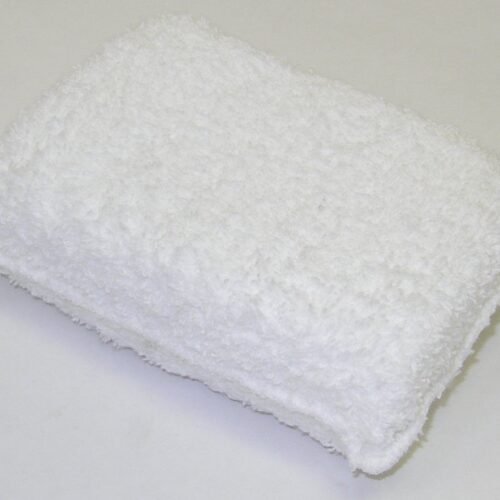
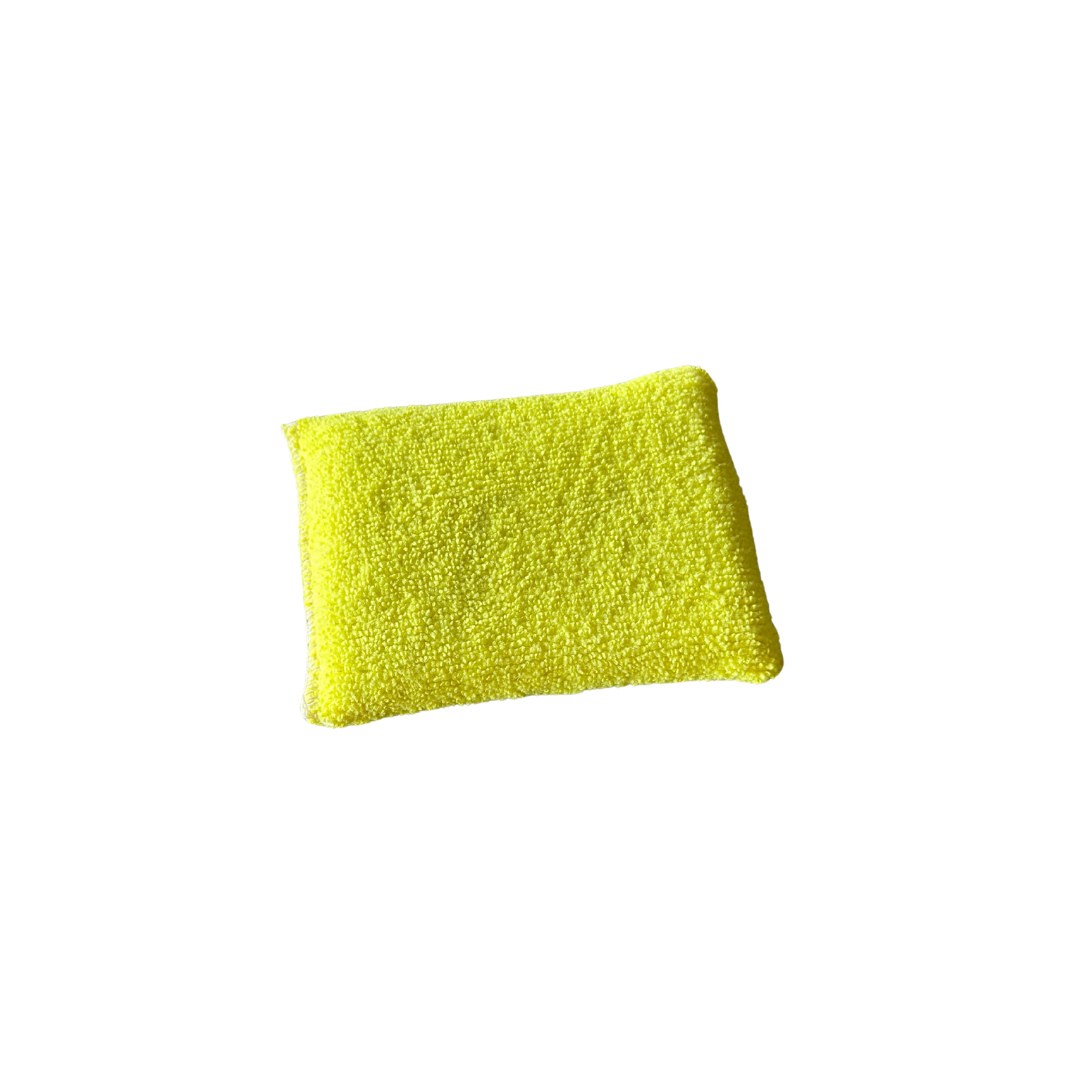
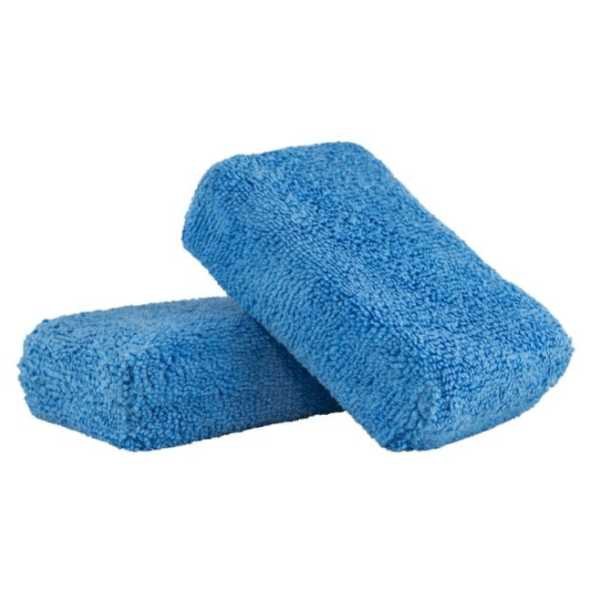
The 35M Microfiber Applicator Pad is a professional detailing applicator that addresses the core limitation of foam-only pads: product distribution. The microfiber face holds product in the fiber structure and releases it evenly across the paint as you move, producing a consistently thin, even application that looks right and protects correctly.
What This Applicator Is
The 35M is a hybrid microfiber-over-foam applicator pad measuring 5″×3.75″. The foam core provides comfortable hand grip, cushion, and the right amount of pressure on the paint. The microfiber face holds the product and controls release rate — like the difference between using a brush and using a sponge to apply paint. Comes in a 2-pack so you always have a backup available.
Key Features and Why They Matter
- Microfiber face — holds and releases product evenly across the paint surface. Eliminates the uneven product loading that foam-only pads produce when they saturate in one area.
- 5″×3.75″ working size — large enough to cover panel sections efficiently, small enough to maneuver around curves, trim edges, and panel breaks.
- Foam core — provides comfortable hand grip and consistent, controlled pressure on the paint. Absorbs minor surface variation without over-applying pressure at high spots.
- 2-pack format — eliminates downtime during a detail job. One pad in use, one clean backup. On multi-product jobs (wax, then trim dressing, then tire dressing), use a dedicated pad for each product.
- Compatible with multiple product types — works with liquid and paste wax, paint sealant, glaze, tire dressing, trim protectant, and leather conditioner. One pad type handles most hand application tasks.
What This Applicator Is NOT For
This applicator is not for machine polishing. It is a hand-application pad only — not compatible with backing plates or orbital polishers. For machine application, use dedicated machine foam or microfiber polishing pads. Do not use the same pad for both product application and buffing/removal — the applicator pad applies product; a clean microfiber towel buffs it off. Cross-contaminating pads with different products reduces the quality of both applications.
Who Uses These Pads
Professional detailers who hand-wax vehicles as a finishing step after machine correction. Enthusiasts who maintain their own paint with regular wax or sealant applications. Detailers applying interior trim protectants, leather conditioner, or tire dressing where controlled product application is important. Any professional who has noticed inconsistent wax coverage with foam-only applicators and wants a more reliable result.
How to Use the Microfiber Applicator
- Prime the pad: For a new or freshly washed pad, lightly mist with water to prime the microfiber before first use. Wring out excess moisture.
- Apply product: Place a small amount of wax or sealant on the microfiber face — use less than you think you need. Thin coats apply more evenly.
- Work in sections: Apply product to one panel at a time using straight-line or circular strokes with light, even pressure.
- Reload sparingly: Add more product as needed, but continue to apply thin. Buildup is not beneficial with most wax chemistries.
- Buff off: Remove the applied product with a clean, plush microfiber towel after the appropriate dwell time.
- Clean the pad: Wash applicator pads with mild detergent and warm water after use, rinse thoroughly, and air-dry before storage.
Frequently Asked Questions
Can I use this applicator for both wax and tire dressing?
Use separate pads for each product — wax pads and dressing pads should not be shared. Tire dressing contamination on a wax pad can transfer dressing chemistry to your paint, which causes staining and smearing. The 2-pack format makes it easy to dedicate one pad per product type.
How do I clean microfiber applicator pads?
Wash by hand with mild dish soap or a dedicated microfiber wash in warm water. Gently work the fibers clean, rinse thoroughly until water runs clear, and allow to air-dry completely before storage. Avoid fabric softener — it clogs microfiber and reduces product absorption performance.
Are these pads machine-washable?
Hand washing is preferred to preserve the foam core and microfiber face bond. If machine washing, use a delicate cycle, cold water, and no fabric softener. Air-dry only — never machine-dry foam applicator pads.
What is the 5″×3.75″ size best suited for?
The 5″×3.75″ size is the standard hand applicator size — it covers a full panel section efficiently on standard passenger vehicles and handles curved and contoured areas without the pad bridging over recessed areas. Larger panels (truck hoods, RV walls) still work but require more strokes per section.
Can I use this to apply ceramic coatings?
No — ceramic coatings require specific application methods and dedicated applicators to achieve even, controlled coating layer application. Using a standard wax applicator for ceramic coating application will result in high spots, uneven cure, and difficult removal. Use ceramic-specific applicators for coating work.