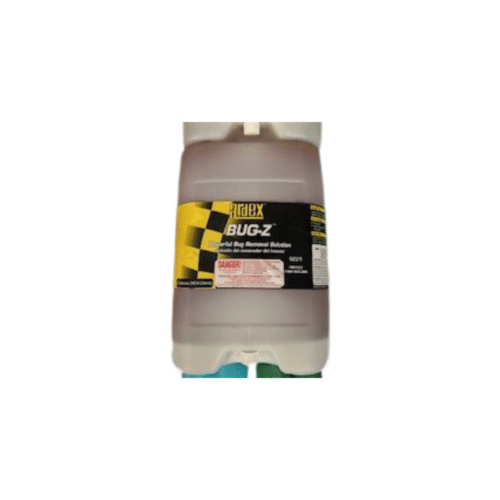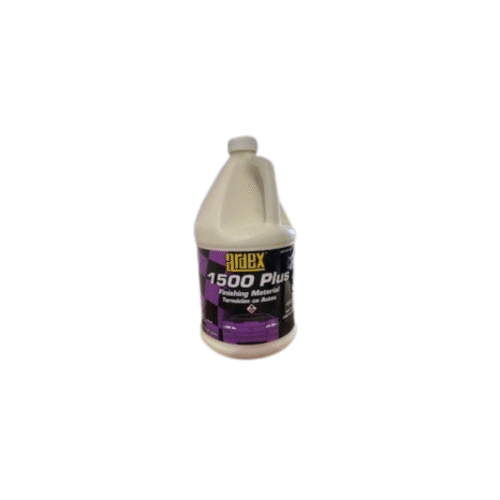

Not every drum-dispensing application requires a pump. For water-thin products positioned on a shelf or drum rack above the fill point — car wash soap, rinse aid, diluted all-purpose cleaner — a simple gravity faucet is the most practical, lowest-maintenance dispensing solution available. Turn it on, fill your bottle, turn it off. No priming, no power, no pump to maintain.
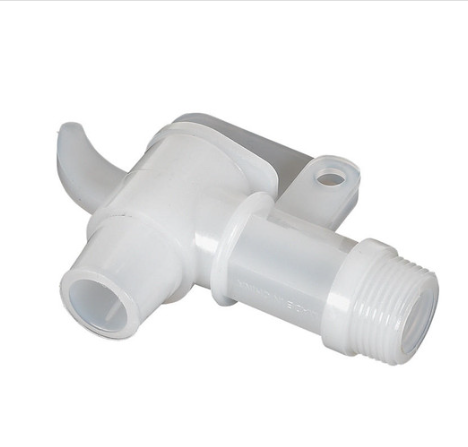
The 3/4″ Plastic Drum Faucet from Polishing Systems Inc is the $4.25 solution for exactly that scenario. Install it in a standard 3/4-inch bung port, position the drum above the dispensing point, and dispense by gravity.
What This Drum Faucet Is
This is a 3/4-inch white plastic drum faucet (tap) designed for installation into the 3/4-inch bung opening on standard chemical drums. The faucet uses a simple valve mechanism — turn to open, turn to close — to allow gravity flow of product from the drum into a working bottle or container below. No electrical or pneumatic power required. Plastic construction is appropriate for water-based chemistry at typical working dilutions.
Key Features and Why They Matter
- Simple gravity-flow dispensing — no pumping, priming, or power required. Install the faucet, position the drum above your fill point, and dispense by gravity. The simplest possible dispensing setup for appropriate products.
- 3/4-inch standard bung fitting — fits the 3/4-inch bung port found on most standard chemical drums. The smaller bung port (distinct from the larger 2-inch bung) used on many standard chemical containers.
- White plastic construction — appropriate for water-based cleaners, car wash soaps, diluted degreasers, rinse aids, and similar non-solvent products. Lightweight and corrosion-free in water-based chemical environments.
- $4.25 price point — inexpensive enough to have spares on hand and to install one per drum in a multi-drum supply setup without meaningful cost.
- Reusable across drum changes — remove from an empty drum, clean, and install in the next drum of the same product.
What This Faucet Is NOT For
Plastic is not compatible with aggressive solvents — acetone, MEK, lacquer thinner, and aromatic solvents will swell or degrade plastic faucet components. For solvent dispensing, a metal faucet or pump is required. Not appropriate for highly concentrated strong acids without verifying chemical compatibility. Gravity faucets require the drum to be positioned above the fill point — they cannot pump product upward. For drums at floor level or products that require pumped dispensing, a drum pump is the appropriate tool. Do not leave open during periods of non-use — the valve should be closed to prevent product spillage and contamination.
Who Uses This Drum Faucet
Car wash operations dispensing soap and rinse-aid from drum supply into working reservoirs. Detail shops filling working bottles from bulk car wash soap or all-purpose cleaner drums positioned on a shelf or drum rack. Fleet maintenance operations managing bulk chemical supply. Any business that has a drum of water-based chemical positioned at or above counter height and needs a simple, economical tap for gravity dispensing.
How to Install and Use the Drum Faucet
- Position the drum: Place the drum on a shelf, rack, or stand elevated above the fill point. Gravity dispensing requires height differential between the drum and the container being filled.
- Locate the 3/4-inch bung port: Most drums have two bung openings — a larger 2-inch bung and a smaller 3/4-inch bung. The faucet installs in the 3/4-inch port.
- Install the faucet: Remove the existing 3/4-inch bung plug. Thread the faucet in by hand, tightening until snug. Do not overtighten plastic threads.
- Test for leaks: Open and close the faucet once to verify the valve seats properly and that the thread connection does not leak.
- Dispense: Position your working container under the faucet outlet. Open the valve, allow the required volume to fill, close the valve.
Why Buy This vs. Pouring from the Drum
Dispensing from a 30 or 55-gallon drum by tipping is dangerous and impractical. A gravity faucet gives you on-demand, spill-free, controlled dispensing from a stationary drum. For drums positioned on a rack at an appropriate height, a gravity faucet like this 3/4-inch plastic tap is the simplest, lowest-cost, lowest-maintenance dispensing solution available. For drums at floor level requiring pumped dispensing, see the PVC drum pump.
Frequently Asked Questions
Does this faucet fit both 2-inch and 3/4-inch bung openings?
No — this is a 3/4-inch faucet for the 3/4-inch bung port only. The larger 2-inch bung opening requires a different fitting size. Most standard drums have both a 2-inch and a 3/4-inch bung; the 3/4-inch port is the correct installation point for this faucet.
Can this be used with acid-based wheel cleaner or aluminum brightener?
Light acid-based products in diluted concentrations may be acceptable with plastic PVC fittings, but concentrated strong acids require acid-resistant materials beyond standard plastic. Verify chemical compatibility against the product SDS before installing this faucet on an acid-based chemical drum. When in doubt, use a more chemical-resistant fitting or contact our team for guidance.
What is the flow rate of this faucet?
Gravity flow rate through a 3/4-inch faucet depends on the drum elevation above the fill point and the product viscosity. Water-thin products at a 2–3 foot elevation differential will fill a standard quart bottle in approximately 30–60 seconds. Thicker products flow more slowly. For faster or metered flow, a pump-based dispensing system provides more control.
How do I clean the faucet between product changes?
Remove the faucet from the drum, flush thoroughly with clean water while operating the valve open and closed, and allow to dry before reinstalling on a different product drum. Preventing cross-contamination between different chemical types is important — always flush and inspect before reusing on a different product.
Is there a metal version available for solvent use?
Contact Polishing Systems Inc for metal drum faucet options appropriate for solvent-based products. Plastic faucets are the economical standard for water-based chemistry; metal fittings are required for chemical types that degrade plastic materials.